

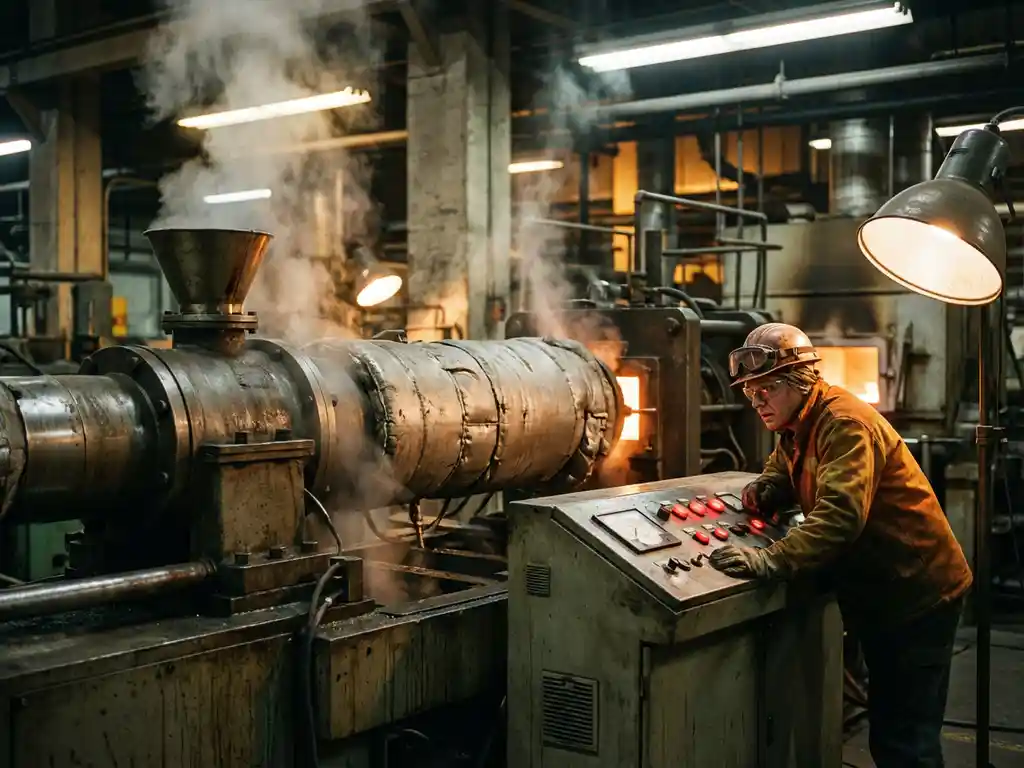
Injection molding machines are the backbone of plastic manufacturing operations, but when they overheat, production can grind to a halt. Overheating issues plague many manufacturing facilities, leading to costly downtime, reduced productivity, and complex troubleshooting scenarios that can significantly impact your bottom line.
Understanding why your injection molding equipment overheats—and how to prevent it—is crucial for maintaining efficient operations. From inadequate cooling systems to excessive ambient temperatures, multiple factors can cause your machines to run too hot, affecting both product quality and operational efficiency.
What causes injection molding machines to overheat during production?
Injection molding machines overheat primarily due to inadequate cooling capacity, excessive ambient temperatures, blocked cooling channels, and improper machine settings. The most common culprits include insufficient coolant flow, dirty heat exchangers, and cycle times that are too short for the cooling system to handle effectively.
Several specific factors contribute to overheating issues. Cooling system problems top the list, including clogged water lines, malfunctioning pumps, or undersized cooling towers that cannot handle the heat load. Environmental conditions also play a significant role when factory temperatures rise above optimal levels, especially during the summer months or in facilities with poor ventilation.
Machine-related causes include worn hydraulic components that generate excess heat, improper barrel and nozzle temperatures, and running production cycles faster than the cooling system can accommodate. Additionally, mold design issues such as inadequate cooling channels or poor heat distribution can force the machine to work harder, generating more heat than normal.
How does machine overheating affect production quality and efficiency?
Machine overheating directly reduces production efficiency by requiring longer cooling times, increasing cycle times, and causing frequent shutdowns for temperature management. Quality suffers as overheated conditions lead to inconsistent part dimensions, surface defects, and increased material degradation, resulting in higher scrap rates.
The efficiency impacts extend beyond immediate production metrics. Overheated machines consume more energy as cooling systems work overtime, while hydraulic oil breaks down faster under excessive heat, requiring more frequent maintenance. These conditions create a cascade effect in which one overheating issue leads to multiple operational problems.
Quality problems manifest in various ways when temperatures exceed optimal ranges. Parts may exhibit warping, sink marks, or dimensional instability because the plastic does not cool uniformly. Color consistency becomes difficult to maintain, and material properties can degrade, leading to weaker finished products that may fail quality inspections or customer requirements.
What are the warning signs that your injection molding machine is overheating?
Key warning signs of injection molding machine overheating include hydraulic oil temperatures rising above 140°F, inconsistent part quality, longer-than-normal cycle times, and frequent thermal shutdowns. Visual indicators such as excessive steam from cooling systems or unusual odors from overheated components can also signal temperature problems.
Temperature monitoring systems provide the most reliable early warnings. Watch for hydraulic oil temperatures that consistently exceed manufacturer specifications, mold temperatures that fluctuate beyond normal ranges, and cooling-water return temperatures that are more than 20°F higher than inlet temperatures.
Operational symptoms become apparent through production metrics. Cycle times gradually increase as the machine compensates for inadequate cooling, while part quality issues such as warping, discoloration, or dimensional variations become more frequent. Additionally, you may notice increased energy consumption as cooling systems work harder to maintain proper temperatures.
How can you prevent injection molding machine overheating?
Preventing injection molding machine overheating requires regular maintenance of cooling systems, proper environmental controls, and optimized machine settings. Key prevention strategies include keeping heat exchangers clean, ensuring adequate coolant flow rates, and implementing proper facility ventilation to control ambient temperatures.
Establish a comprehensive maintenance schedule that includes regular cleaning of cooling channels, inspection of water pumps and chillers, and monitoring of hydraulic oil condition. Clean heat exchangers monthly or as needed, and replace hydraulic oil according to manufacturer recommendations to maintain optimal heat-transfer properties.
Environmental controls play a crucial role in prevention. Maintain facility temperatures below 85°F when possible, ensure adequate ventilation around machines, and consider installing additional cooling capacity during peak production periods. Proper machine settings also help, including optimizing cycle times to allow adequate cooling and adjusting temperatures based on material requirements rather than pushing for maximum speed.
When should you upgrade your cooling system to prevent overheating?
Upgrade your cooling system when current capacity cannot maintain proper temperatures during normal production, when frequent overheating incidents disrupt operations, or when expanding production requires additional cooling capacity. Signs that indicate the need for an upgrade include consistently high operating temperatures, an inability to run optimal cycle times, and recurring maintenance issues with existing cooling equipment.
Evaluate your cooling system’s performance against production demands. If your current system struggles to maintain hydraulic oil temperatures below 140°F or mold temperatures within specification during normal operations, an upgrade is warranted. Additionally, consider upgrades when planning production increases, adding new machines, or when existing cooling equipment reaches the end of its useful life.
A cost-benefit analysis should guide upgrade decisions. Calculate the costs of production downtime, quality issues, and increased maintenance against the investment in new cooling capacity. Modern cooling systems often provide better energy efficiency and more precise temperature control, which can offset upgrade costs through improved productivity and reduced operating expenses.
How EAS Change Systems Helps with Injection Molding Efficiency
We understand that overheating issues often stem from inefficient production processes and excessive setup times that force machines to run longer. Our quick mold change systems significantly reduce the time your injection molding machines spend running, which directly decreases heat buildup and thermal stress on your equipment.
Our solutions help prevent overheating through:
- Faster mold changes that reduce overall machine operating time and heat exposure
- Improved production scheduling that allows for better cooling intervals between runs
- Reduced setup complexity that minimizes machine stress and heat generation
- Enhanced operational efficiency that optimizes cycle times and cooling periods
Ready to reduce production downtime and solve your injection molding troubleshooting challenges? Contact us today to learn how our quick mold change systems can help you maintain optimal operating temperatures while boosting your production efficiency. Discover more about our comprehensive applications and how they can transform your manufacturing operations.