

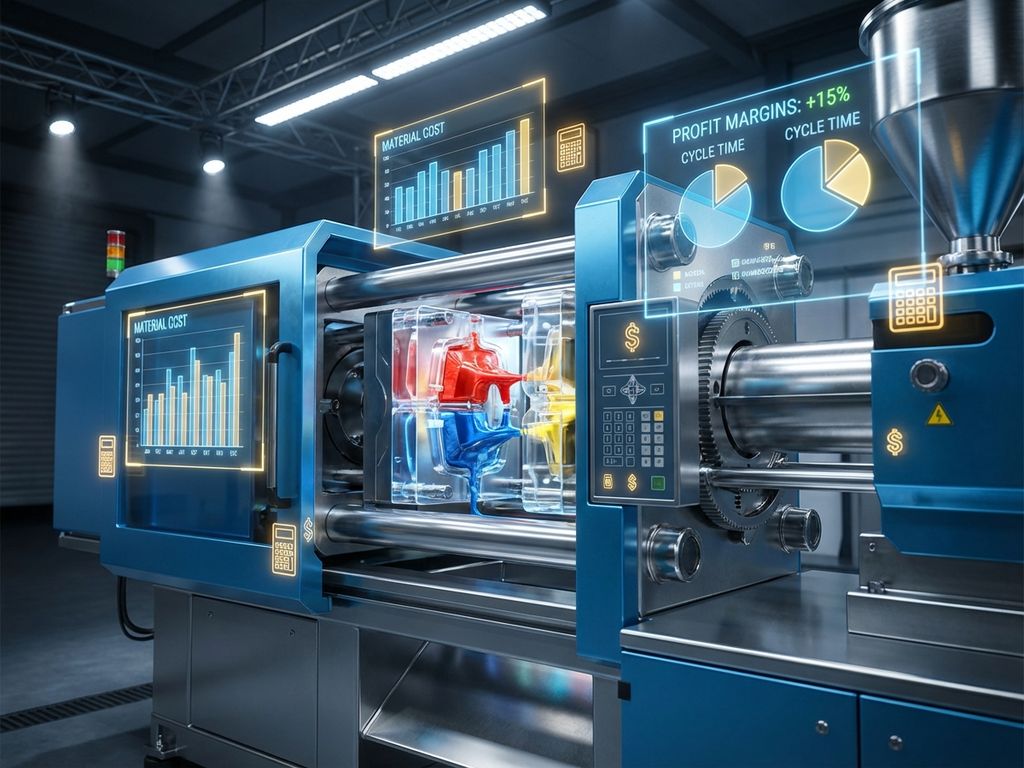
Injection molding cost analysis is a systematic evaluation of all expenses involved in plastic manufacturing processes, from material costs to machine operation. It helps manufacturers identify cost drivers, optimize production efficiency, and make informed decisions about pricing and profitability. Understanding these costs is essential for competitive manufacturing and sustainable business growth.
What is injection molding cost analysis and why is it crucial for manufacturers?
Injection molding cost analysis is the comprehensive assessment of all expenses associated with plastic part production, including materials, labor, equipment, and overhead costs. This analysis provides manufacturers with detailed insights into their production economics and identifies opportunities for cost reduction.
The analysis is crucial because it directly impacts profitability and competitiveness in manufacturing. Without proper cost analysis, manufacturers often struggle with accurate pricing decisions and miss opportunities to optimize their operations. Many production inefficiencies remain hidden until a thorough cost breakdown reveals where money is being lost.
Manufacturers use this analysis to evaluate different production scenarios, compare supplier options, and determine the most cost-effective production volumes. It also helps justify investments in new equipment or process improvements by quantifying potential savings and return on investment.
What are the main cost components in injection molding operations?
The primary cost components in injection molding include material costs, machine operating costs, labor expenses, tooling costs, and facility overhead. Material costs typically represent 40–60% of total production costs, making them the largest expense category for most manufacturers.
Machine operating costs encompass energy consumption, maintenance, and depreciation of injection molding equipment. These costs vary significantly based on machine size, cycle time, and production volume. Energy efficiency becomes particularly important during high-volume production runs, where small improvements can yield substantial savings.
Labor costs include machine operators, quality control staff, and indirect labor for material handling and packaging. Tooling costs involve mold design, manufacturing, maintenance, and replacement over the tool’s lifecycle. Facility overhead covers rent, utilities, insurance, and administrative expenses allocated to production activities.
How do setup times and mold changes impact injection molding costs?
Setup times and mold changes significantly impact injection molding costs by reducing productive machine time and requiring skilled labor for changeover activities. Extended setup periods mean machines sit idle while still incurring operating costs, directly affecting overall production efficiency and profitability.
Traditional mold changes can take several hours, during which production stops completely. This downtime becomes expensive when calculated across multiple changeovers per week or month. The impact grows more severe with shorter production runs, where setup time represents a larger percentage of total cycle time.
Labor costs increase during changeovers because skilled technicians must safely remove heavy molds, install new ones, and conduct test runs to ensure quality. Material waste occurs during startup as initial parts may not meet quality standards. These factors make frequent changeovers particularly costly for manufacturers producing diverse product ranges.
What factors should manufacturers consider when calculating injection molding ROI?
Manufacturers should consider production volume, cycle time reduction, quality improvements, labor savings, and equipment utilization when calculating injection molding ROI. These factors directly influence the financial returns from process improvements or equipment investments.
Production volume affects ROI calculations because higher volumes spread fixed costs across more units, improving per-part economics. Cycle time reduction increases machine productivity and reduces labor costs per part. Quality improvements reduce scrap rates and rework expenses, contributing to better overall returns.
Equipment utilization improvements through reduced setup times allow manufacturers to produce more parts with existing machinery. Energy efficiency gains reduce operating costs over the equipment’s lifetime. Maintenance cost reductions and extended equipment life also contribute to positive ROI calculations by lowering total ownership costs.
How can manufacturers optimize injection molding costs without compromising quality?
Manufacturers can optimize injection molding costs through improved process efficiency, reduced setup times, better material utilization, and enhanced quality control systems. These approaches maintain or improve quality while lowering overall production costs.
Process efficiency improvements include optimizing cycle times, reducing energy consumption, and implementing preventive maintenance programs. Automated quality control systems catch defects early, preventing costly rework and material waste. Better material handling reduces contamination and waste.
Reducing setup times through quick-change systems allows manufacturers to run smaller batches economically while maintaining flexibility. Improved mold design and maintenance extend tool life and reduce replacement costs. Training operators in best practices ensures consistent quality while maximizing equipment productivity.
How EAS change systems help with injection molding cost optimization
EAS change systems provide comprehensive quick mold change solutions that dramatically reduce setup times from hours to minutes, directly improving injection molding cost efficiency. Our systems address the primary cost drivers in mold changeover operations through innovative engineering and proven technology.
Our products deliver cost optimization through:
- Rapid mold changes using adaptive clamping systems that eliminate manual handling
- Automated ejector couplers and multi-coupler systems for faster connections
- Mold change tables and transportation vehicles for efficient workflow
- Reduced labor requirements during changeover operations
- Improved safety through elimination of manual lifting and positioning
- Enhanced production flexibility for smaller batch sizes
We provide complete ROI calculations to demonstrate the financial benefits of implementing quick change technology in your operation. Our engineering team works with manufacturers to design custom solutions that maximize cost savings while maintaining the highest quality standards. Contact us today to discover how our proven quick mold change systems can transform your injection molding cost structure and find applications specific to your manufacturing needs.