

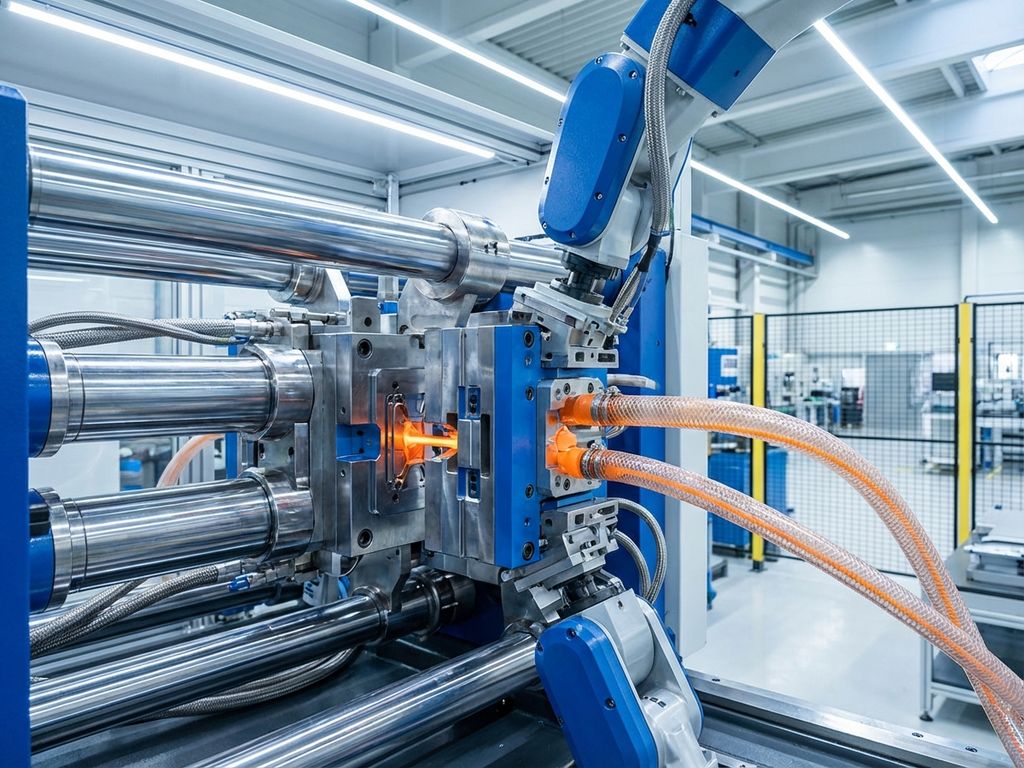
Injection molding automation integrates technology and machinery to streamline plastic manufacturing processes without manual intervention. Modern automated systems handle everything from material feeding and mold changes to quality control and part removal. This technology transforms manufacturing by reducing cycle times, improving consistency, and enabling lights-out production capabilities that maximize efficiency.
What is injection molding automation and how does it transform manufacturing?
Injection molding automation combines robotics, sensors, and control systems to operate plastic manufacturing processes with minimal human intervention. These systems automatically manage material handling, mold operations, quality inspection, and part removal throughout the production cycle.
The transformation occurs through several key mechanisms. Automated systems eliminate manual tasks that traditionally required operators to load materials, monitor processes, and remove finished parts. Advanced sensors continuously monitor temperature, pressure, and cycle times to maintain optimal conditions. Robotic systems handle delicate operations with a level of precision that exceeds human capability.
Manufacturing facilities benefit from consistent production quality since automated systems follow programmed parameters exactly. Production runs can continue during breaks, shift changes, and overnight periods. The technology also enables rapid changeovers between different products, allowing manufacturers to respond quickly to market demands while maintaining efficiency.
What are the key benefits of automating injection molding processes?
Automated injection molding delivers increased productivity, reduced labor costs, improved quality consistency, and enhanced safety. These systems can operate continuously with minimal supervision, significantly boosting output while reducing human error and workplace injuries.
Productivity gains come from faster cycle times and the ability to run multiple shifts without additional staffing. Automated systems work at consistent speeds without fatigue, often achieving 20–30% higher output than manual operations. Quality improvements result from precise, repeatable processes that eliminate variations caused by human factors.
Cost benefits extend beyond labor savings. Reduced scrap rates from consistent quality mean less material waste. Lower energy consumption occurs through optimized heating and cooling cycles. Maintenance becomes predictable with automated monitoring systems that alert operators to potential issues before failures occur.
Safety improvements are substantial since operators work away from hot molds and moving machinery. Automated systems handle hazardous materials and high-temperature operations, reducing workplace accidents and insurance costs.
How do automated injection molding systems actually work?
Automated injection molding systems use programmable logic controllers (PLCs) to coordinate multiple components, including material feeders, heating systems, hydraulic or electric drives, and robotic handling equipment. These elements work together through precise timing and feedback loops.
The process begins with automated material preparation. Hoppers and conveyors deliver plastic pellets to heating chambers where they melt at controlled temperatures. Sensors monitor material flow and temperature to ensure consistent quality. The molten plastic is injected into molds under computer-controlled pressure and timing.
During the cooling phase, automated systems monitor temperature and adjust cooling rates for optimal part quality. Robotic arms remove finished parts when sensors confirm that proper cooling has occurred. Quality control systems can inspect parts using cameras or measurement devices, automatically sorting acceptable products from rejects.
The entire process operates through feedback systems in which sensors provide real-time data to controllers. These systems make instant adjustments to maintain optimal conditions, creating a self-regulating production environment that upholds quality standards.
What types of automation can be integrated into injection molding operations?
Injection molding facilities can integrate material handling automation, robotic part removal, automated quality control, mold change systems, and process monitoring technologies. Each type addresses specific operational challenges and can be implemented individually or as part of a comprehensive solution.
Material handling automation includes conveyor systems, automatic feeders, and drying equipment that prepare raw materials without manual intervention. These systems ensure consistent material quality and reduce contamination risks. Robotic part removal systems use articulated arms with specialized grippers to extract parts safely and position them for further processing.
Quality control automation employs vision systems, dimensional measurement tools, and weight-checking equipment to verify part specifications. These systems can identify defects immediately and remove nonconforming parts from production lines. Process monitoring systems track machine performance, energy consumption, and maintenance needs.
Mold change automation represents one of the most impactful upgrades. Quick-change systems reduce setup times from hours to minutes, enabling efficient production of multiple products. Temperature control automation maintains precise heating and cooling for optimal part quality and reduced cycle times.
How EAS change systems enhance injection molding automation
EAS change systems specializes in quick mold change (QMC) solutions that dramatically reduce setup times in automated injection molding operations. Our systems enable mold changes in minutes rather than hours, maximizing production efficiency and flexibility for manufacturers worldwide.
Our comprehensive automation products include:
- Adaptive clamping systems that secure molds automatically with precise force control
- Multi-coupler systems that connect utilities such as cooling water and electrical power simultaneously
- Automated mold transportation vehicles that position molds safely and accurately
- Robotic mold handling systems for completely hands-free changeovers
- Integration support for existing automation equipment and control systems
We provide complete turnkey solutions, including system design, installation, training, and ongoing maintenance support. Our engineering team works with manufacturers to optimize their specific automation applications and calculate return on investment for quick-change implementations.
Contact us today to discover how our quick mold change systems can enhance your injection molding automation and reduce setup times by up to 90%.