

Magnetic clamping systems have revolutionized metal stamping operations by providing powerful, reliable die-holding solutions. However, like any electrical system, they can experience power interruptions that raise critical safety and operational concerns. Understanding what happens during a power loss—and how to prepare for it—is essential to maintaining safe, efficient production.
Power failures in magnetic clamping systems can occur due to electrical outages, equipment malfunctions, or emergency shutdowns. The consequences depend largely on the type of magnetic clamp being used and the safety systems in place.
What happens when magnetic clamping systems lose power?
When magnetic clamping systems lose power, electromagnetic systems immediately lose their holding force and release the die or workpiece. By contrast, permanent-magnet systems maintain their clamping force indefinitely without power, as they rely on permanent magnets rather than electrical current for holding strength.
The immediate impact varies significantly by system type. Electromagnetic clamping systems create their magnetic field through electrical coils, so any power interruption causes an instant release. This sudden loss of clamping force can cause dies to shift, fall, or become misaligned on the press bed. In contrast, permanent-magnet systems continue holding securely because their magnetic field exists independently of electrical power.
The severity of the consequences depends on several factors, including the weight of the die, the stage of the press operation when the power loss occurs, and whether safety systems are engaged. Dies that lose clamping force during press operation can cause significant damage to both tooling and equipment, while a power loss during idle periods may require only repositioning and reclamping.
How do magnetic clamps maintain holding force during power failures?
Permanent-magnet clamps maintain full holding force during power failures because they use permanent magnets that generate constant magnetic fields without requiring electrical power. The magnetic force remains unchanged whether power is available or not, making these systems inherently fail-safe.
These systems typically incorporate rare-earth permanent magnets, such as neodymium, which provide exceptional holding strength. The magnetic circuit is designed so that the permanent magnets create the primary holding force, while electrical components are used only to release the clamp when die changes are needed.
Some hybrid systems combine permanent magnets with electromagnets to provide both fail-safe holding and controlled release. In these designs, the permanent magnets provide the base holding force, while electromagnets either enhance holding strength during operation or create opposing fields for release. Even if power fails, the permanent-magnet component ensures the die remains securely clamped.
Battery backup systems can also maintain power to critical electromagnetic components during short outages, though this approach is less common due to the high power requirements of large electromagnetic clamps and the superior reliability of permanent-magnet solutions.
What safety risks occur when magnetic die clamps lose power?
Power loss in electromagnetic clamping systems creates immediate safety risks, including die displacement, crushing hazards from falling tooling, equipment damage, and potential injury to operators working near the press. The sudden release of heavy dies poses the greatest danger to personnel and machinery.
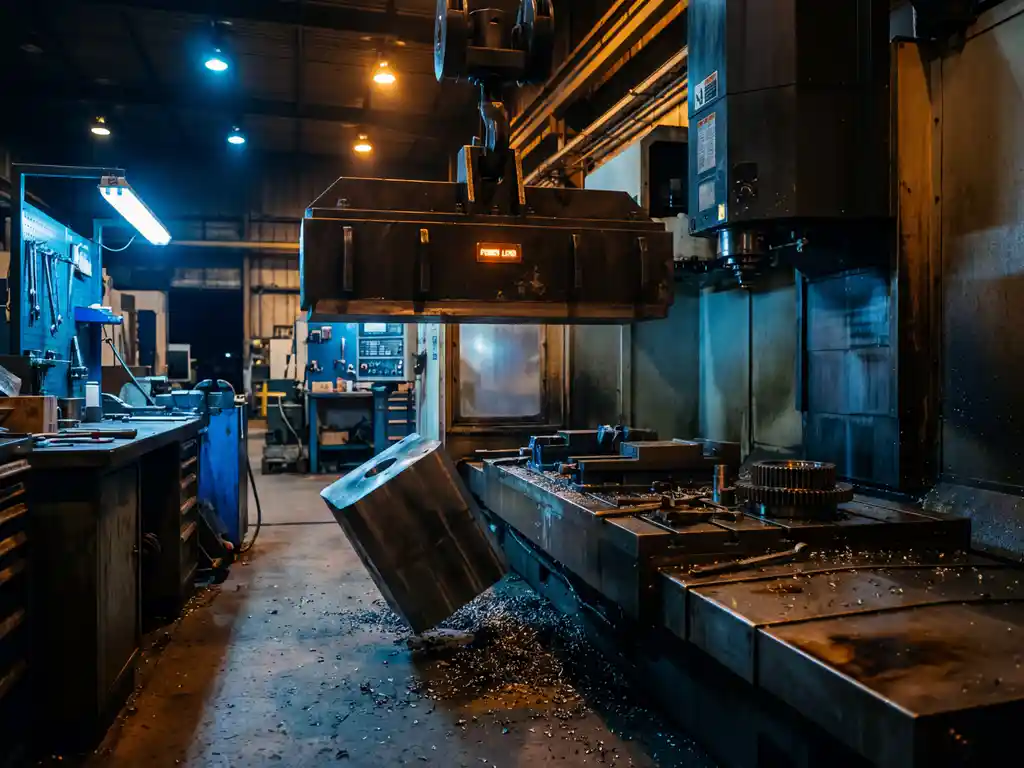
Die displacement is the most common safety concern. When electromagnetic clamps lose power during press operation, the die can shift position, creating misalignment that leads to damaged parts, broken tooling, and potential press damage. Heavy dies may slide or tip, creating crush hazards for nearby workers.
Secondary safety risks include production disruptions and quality issues. Unexpected die releases can damage work-in-progress parts or create scrap. The sudden stoppage required to address power-related clamp failures can disrupt production schedules and create pressure to rush safety procedures during restart.
Electrical hazards may also arise if the power loss results from equipment faults. Damaged wiring, overloaded circuits, or faulty connections that cause power interruptions can create additional risks during troubleshooting and system restoration.
How can you prevent problems from magnetic clamp power loss?
Preventing problems related to magnetic clamp power loss requires using permanent-magnet systems, installing backup power solutions, implementing proper safety protocols, and maintaining electrical systems regularly. The most effective approach combines multiple prevention strategies tailored to your specific applications.
Permanent-magnet clamping systems offer the most reliable solution by eliminating dependence on continuous electrical power. These systems maintain holding force regardless of power status, making them ideal for critical applications where die security cannot be compromised.
For facilities using electromagnetic systems, several prevention measures can reduce risk:
- Install uninterruptible power supply (UPS) systems to maintain power during brief outages.
- Implement redundant power feeds from separate electrical circuits.
- Use emergency-stop systems that safely secure dies before power is disconnected.
- Establish regular electrical maintenance schedules to prevent power failures.
- Train operators on proper emergency procedures when a power loss occurs.
Safety protocols should include immediate press-shutdown procedures when a power loss is detected, clearly marked evacuation routes around press areas, and systematic inspection processes before restarting operations after power is restored.
How EAS Change Systems Helps with Magnetic Clamping Reliability
We provide advanced quick die change solutions that address magnetic clamping power concerns through proven permanent-magnet technology and comprehensive safety systems. Our QDC products eliminate power-related failures while dramatically reducing die-change times from hours to minutes.
Our magnetic clamping systems offer several key advantages:
- Permanent-magnet technology that maintains holding force without electrical power
- Fail-safe design that ensures die security during any power interruption
- SMED-optimized quick-release mechanisms for efficient die changes
- Comprehensive safety features, including controlled-release systems
- Expert application engineering to customize solutions to your specific requirements
Ready to eliminate magnetic clamping power concerns in your stamping operation? Contact our application engineers today to discuss how our permanent-magnet QDC solutions can improve your production reliability and safety while reducing die-change times.