

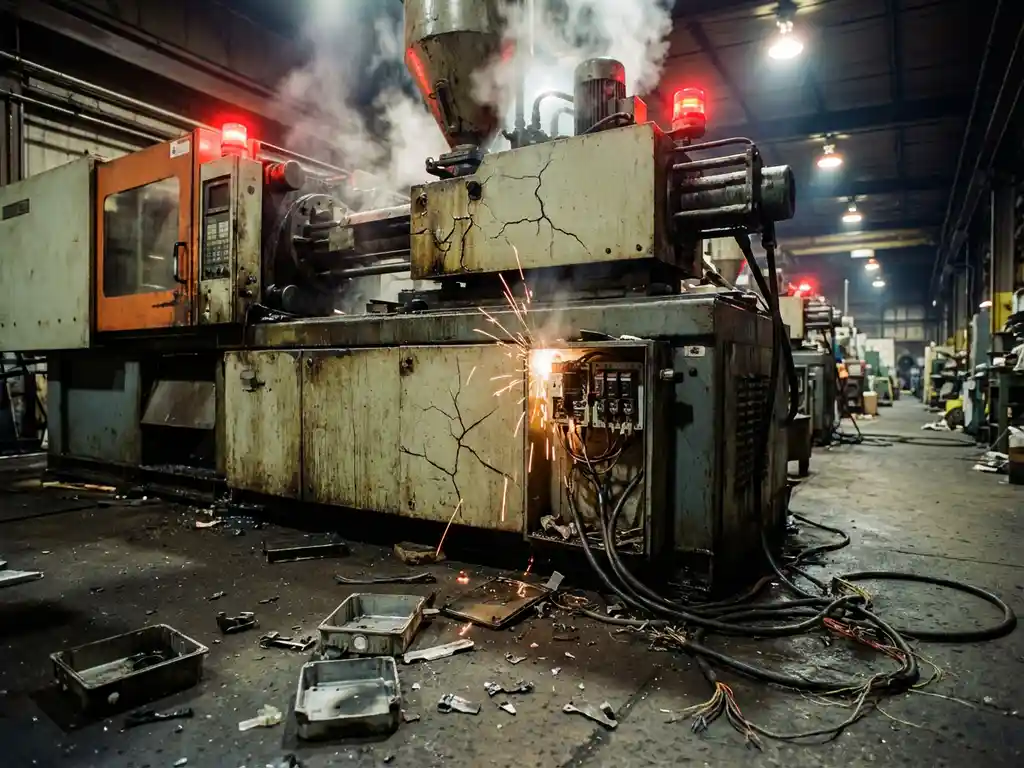
Unplanned injection molding equipment failures typically result from mechanical wear, electrical system issues, improper maintenance practices, and operational stress. These unexpected breakdowns can halt production lines and create significant costs through lost productivity and emergency repairs. Understanding the primary causes helps manufacturers implement preventive measures that reduce downtime and extend equipment life.
What are the most common mechanical causes of injection molding equipment failures?
Mechanical failures in injection molding equipment most commonly stem from hydraulic system degradation, screw and barrel wear, heating element malfunctions, and clamping unit problems. These components experience constant stress during production cycles, making them vulnerable to unexpected breakdowns that can stop operations immediately.
Hydraulic systems face particular challenges due to fluid contamination, seal deterioration, and pump wear. When hydraulic fluid becomes contaminated with debris or moisture, it creates abrasive conditions that damage internal components. Seals naturally degrade over time, leading to pressure loss and system inefficiency that eventually results in complete failure.
The screw and barrel assembly endures extreme temperatures and pressure while processing various materials. Abrasive additives in plastic resins gradually wear down these components, creating clearance issues that affect part quality and increase stress on the drive system. This wear pattern often accelerates suddenly when processing particularly aggressive materials.
Heating elements and temperature control systems fail when exposed to thermal cycling and electrical stress. Band heaters crack from repeated expansion and contraction, while thermocouples drift out of calibration or fail completely, leading to temperature control issues that can damage both equipment and products.
How do improper mold changes contribute to equipment damage?
Improper mold changes create significant stress on injection molding equipment through misalignment forces, inadequate support during transitions, and rushed procedures that ignore safety protocols. Manual change processes often result in dropped molds, improper positioning, and excessive force that damages clamping systems and machine structures.
Manual mold changes put enormous strain on machine components, particularly the clamping unit and platen alignment systems. When operators attempt to position heavy molds without proper lifting equipment, they often apply uneven forces that stress guide pins, bushings, and clamping mechanisms beyond their design limits.
Inadequate training leads to procedural shortcuts that compromise equipment integrity. Operators may skip proper warm-up procedures, ignore torque specifications, or fail to verify mold alignment before applying clamping pressure. These practices create stress concentrations that accelerate wear and increase the likelihood of failure.
Quick mold change systems address these issues by providing controlled, automated positioning that eliminates manual handling stress. EAS change systems reduce changeover time while protecting equipment through precise alignment and controlled force application during mold installation and removal.
Why do electrical and control system failures happen so suddenly in injection molding?
Electrical and control system failures occur suddenly because electronic components degrade gradually until they reach critical failure points without obvious warning signs. Unlike mechanical wear that produces noise or vibration, electrical degradation happens internally within components until complete failure occurs instantaneously.
Electronic components experience continuous stress from heat, electrical load, and environmental factors. Capacitors dry out over time, relay contacts develop increased resistance, and circuit boards suffer stress from thermal expansion. These degradation processes remain invisible until a component can no longer function, causing immediate system shutdown.
Sensor failures particularly affect injection molding optimization because modern machines rely heavily on feedback systems for pressure, temperature, and position control. When sensors drift out of calibration or fail completely, control systems receive incorrect information that can trigger protective shutdowns or cause erratic machine behavior.
PLC and control system errors often result from software corruption, memory failures, or communication interruptions between system components. These failures can occur without warning, especially in environments with electrical interference or power quality issues that stress electronic systems over time.
What role does preventive maintenance play in avoiding unexpected breakdowns?
Preventive maintenance plays a crucial role in avoiding unexpected breakdowns by identifying potential failures before they occur through scheduled inspections, component replacement, and monitoring practices. Well-planned maintenance programs can reduce unplanned downtime by up to 75% while significantly extending overall equipment life.
Scheduled maintenance allows technicians to identify wear patterns, fluid degradation, and component stress before critical failure occurs. Regular hydraulic fluid analysis reveals contamination levels, while thermal imaging identifies heating element problems before complete failure. These proactive measures provide advance warning of potential issues.
Component replacement intervals based on operating hours or cycle counts prevent failures by replacing parts before they reach critical wear points. Seals, filters, heating elements, and sensors have predictable service lives that allow planned replacement during scheduled downtime rather than emergency repairs.
Early warning systems using vibration monitoring, temperature tracking, and performance data analysis can detect developing problems weeks before failure occurs. Modern injection molding equipment often includes diagnostic capabilities that monitor system health and alert operators to developing issues.
Implementing comprehensive preventive maintenance requires balancing maintenance costs with production requirements. The investment in regular maintenance consistently proves worthwhile through reduced emergency repairs, improved product quality, and more predictable production schedules that support efficient manufacturing operations.
How EAS Change Systems Prevents Equipment Failures
EAS Change Systems provides comprehensive solutions that significantly reduce unplanned injection molding equipment failures through advanced quick mold change technology and protective systems. Our solutions directly address the primary causes of equipment breakdown by eliminating the stress and damage associated with manual mold handling procedures.
Our systems protect your equipment through:
- Automated mold positioning that eliminates manual handling stress on clamping units and machine structures
- Precision alignment technology that prevents misalignment forces during mold changes
- Controlled force application systems that protect guide pins, bushings, and clamping mechanisms
- Reduced changeover time that minimizes machine stress cycles and operator error opportunities
- Integrated safety protocols that prevent procedural shortcuts and equipment damage
Don’t wait for costly equipment failures to impact your production. Contact EAS Change Systems today to learn how our proven solutions can protect your injection molding equipment while improving efficiency and reducing downtime.