

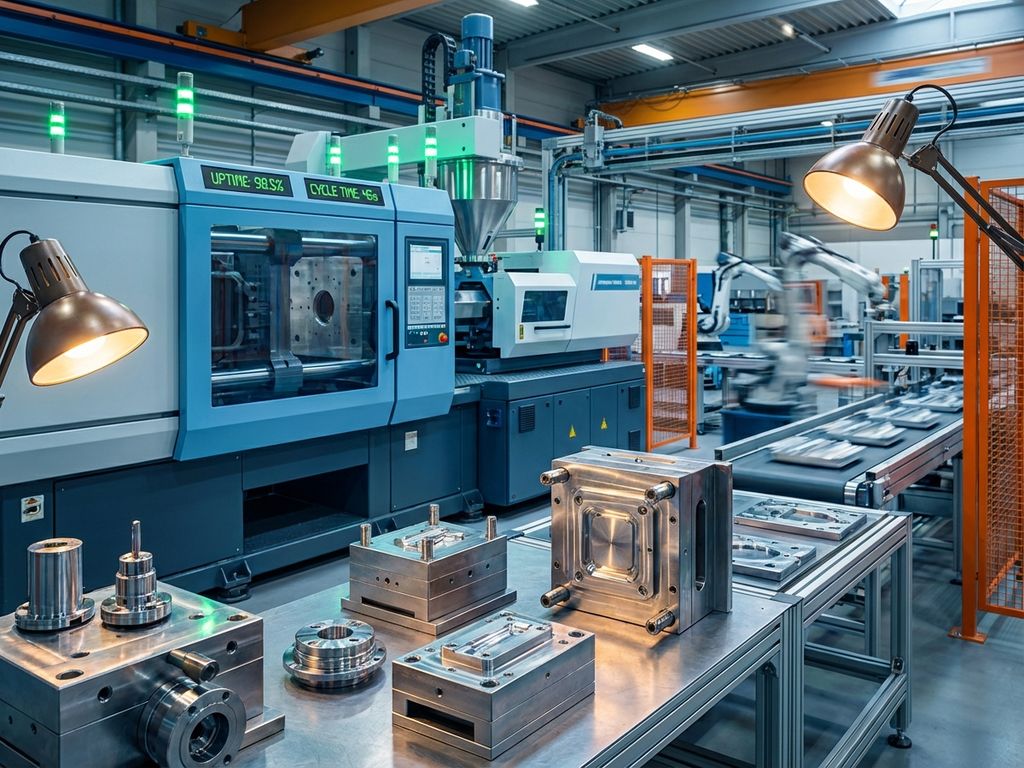
Production downtime reduction involves implementing systematic strategies to minimise equipment stops, optimise changeover processes, and improve overall equipment effectiveness. Successful manufacturers focus on identifying downtime causes, streamlining setup procedures, and adopting quick tool change technologies. These approaches can transform manufacturing efficiency by reducing non-productive time and increasing operational flexibility.
What causes the most downtime in manufacturing operations?
The primary sources of manufacturing downtime include equipment changeovers, unplanned maintenance, setup processes, and equipment failures. Changeover times often represent the largest controllable source of downtime, sometimes accounting for several hours of lost production during tool and die changes.
Equipment failures typically occur due to inadequate preventive maintenance, worn components, or improper operating conditions. These unplanned stops can halt entire production lines and create cascading delays throughout the manufacturing schedule.
Setup and changeover processes consume significant time because they often involve manual procedures, multiple adjustment steps, and quality verification processes. Traditional changeover methods require operators to manually position, align, and secure tooling, which can take anywhere from 30 minutes to several hours depending on complexity.
Material handling delays also contribute to downtime when raw materials, components, or finished goods are not available when needed. Poor coordination between production planning and material supply creates bottlenecks that interrupt smooth operations.
How can manufacturers reduce setup and changeover times effectively?
SMED (Single Minute Exchange of Die) methodology provides the foundation for reducing changeover times by converting internal setup activities to external ones. This approach involves preparing as much as possible while the machine is still running, then executing only essential steps during the actual changeover.
Standardisation plays a crucial role in time reduction. Creating consistent procedures, using standardised tooling connections, and implementing identical setup sequences across similar equipment eliminates guesswork and reduces variability in changeover duration.
Preparation techniques include pre-staging tools, dies, and materials near the production line before changeover begins. Having everything readily accessible eliminates searching time and ensures operators can work efficiently through each step.
Workflow optimisation involves analysing current changeover processes to identify bottlenecks, eliminate unnecessary steps, and improve the sequence of activities. Many manufacturers discover that simple reorganisation of tasks can reduce changeover time by 30–50% without additional investment.
What are the key indicators that your production line needs optimisation?
Excessive setup times exceeding industry benchmarks indicate optimisation opportunities. If changeovers consistently take longer than planned or vary significantly between operators, the process lacks standardisation and requires systematic improvement.
Low Overall Equipment Effectiveness (OEE) scores below 85% suggest that availability, performance, or quality issues are impacting productivity. OEE provides a comprehensive measure that highlights areas needing attention.
Frequent equipment stops for adjustments, minor repairs, or quality issues signal underlying problems with setup procedures or equipment condition. These micro-stops accumulate throughout shifts and significantly impact total productive time.
High labour costs during changeovers often result from multiple operators being required, extended setup duration, or frequent quality adjustments after changeover completion. Efficient changeover processes should minimise both time and labour requirements.
An inability to run smaller batch sizes economically indicates that setup costs are too high relative to production value. This limitation reduces manufacturing flexibility and responsiveness to customer demands.
Why do quick tool change systems dramatically improve manufacturing efficiency?
Quick tool change systems reduce non-productive time by automating clamping, positioning, and connection processes that traditionally require manual effort. These systems can complete changeovers in minutes rather than hours, dramatically increasing available production time.
Smaller batch sizes become economically viable when changeover time decreases significantly. This flexibility allows manufacturers to respond quickly to customer orders, reduce inventory levels, and improve cash flow through faster order fulfilment.
Enhanced safety results from automated systems that eliminate manual handling of heavy tooling and reduce operator exposure to pinch points and lifting hazards. Consistent, controlled movements also reduce the risk of equipment damage during changeover.
Quality improvements occur because automated systems ensure consistent positioning and clamping force, reducing variability between setups. This consistency minimises startup scrap and reduces the time needed to achieve stable production after changeover.
Increased flexibility enables manufacturers to schedule production based on demand rather than setup economics. This capability supports lean manufacturing principles and just-in-time production strategies across various manufacturing applications.
How EAS change systems help reduce downtime and increase productivity
EAS change systems provide comprehensive quick mold change and quick die change solutions that transform traditional manual changeover processes into rapid, automated operations. Our innovative products address the primary causes of production downtime through proven methodologies and advanced technology developed through decades of engineering expertise.
- Adaptive clamping systems that automatically position and secure tooling with consistent force and accuracy
- Integrated coupler systems for simultaneous connection of utilities including cooling, heating, and ejector systems
- Automated mold and die handling equipment including transportation vehicles and tilting units
- Comprehensive project management and application engineering support for optimal system integration
- Complete installation, commissioning, and ongoing maintenance services
- ROI calculations and performance monitoring to ensure sustained productivity improvements
Our solutions enable changeover times measured in minutes rather than hours, dramatically increasing productive capacity and operational flexibility. We provide turnkey implementations that include equipment design, installation, operator training, and ongoing support to ensure maximum return on investment.
Contact us today to discuss how our quick change systems can reduce your production downtime and increase manufacturing productivity through proven automation technology.
