

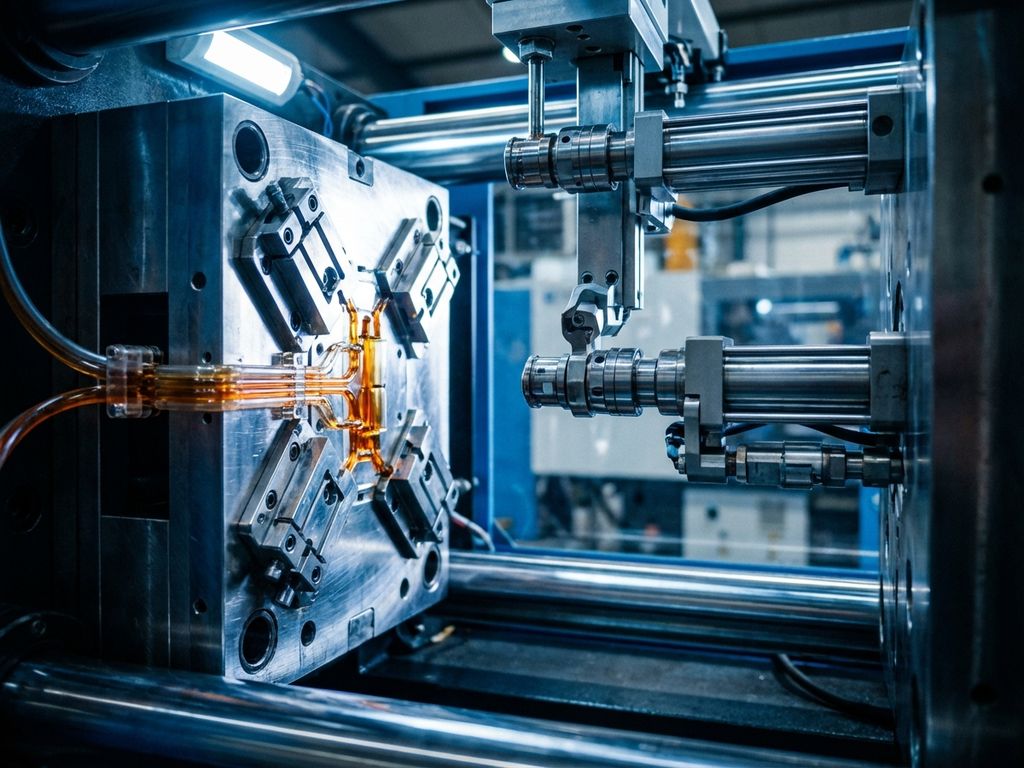
Injection molding productivity depends on optimizing several interconnected factors that directly impact manufacturing output. The most effective productivity improvements focus on reducing setup times, minimizing cycle times, improving quality control, and implementing strategic automation. These elements work together to create significant gains in overall throughput and efficiency.
What factors actually impact injection molding productivity the most?
Setup and changeover times, cycle times, material handling efficiency, quality control, and equipment utilization are the primary drivers of injection molding productivity. Setup times often represent the largest opportunity for improvement, as traditional mold changes can consume hours of production time.
Cycle time optimization involves fine-tuning injection speed, cooling time, and ejection processes to achieve the fastest possible production rate without compromising part quality. Even small reductions in cycle time compound significantly over thousands of production cycles.
Material handling efficiency affects productivity through consistent material flow, proper drying, and contamination prevention. Poor material preparation leads to quality issues and production delays that cascade through the entire manufacturing process.
Equipment efficiency encompasses machine maintenance, temperature control accuracy, and hydraulic system performance. Well-maintained equipment operates more consistently and requires fewer interruptions for adjustments or repairs.
How can you reduce setup and changeover times in injection molding?
Reducing changeover times requires systematic preparation, standardization of procedures, and implementation of quick-change systems. The most effective approach combines improved manual processes with mechanical solutions that eliminate time-consuming steps.
Preparation techniques include preheating new molds while current production continues, organizing all necessary tools and materials beforehand, and conducting team briefings on the upcoming changeover. This parallel processing approach minimizes downtime between production runs.
Standardization involves creating consistent procedures for mold installation, connection sequences, and quality checks. When operators follow the same optimized process every time, changeover times become predictable and continuously improvable.
Quick-change systems mechanically simplify the most time-consuming aspects of mold changeover. These systems eliminate manual bolt tightening, reduce the number of connections required, and enable operators to complete changeovers with fewer tools and less physical effort.
What role does automation play in injection molding productivity?
Automation enhances injection molding productivity through consistent operation, reduced manual handling, and continuous monitoring capabilities. Robotic systems, automated material handling, and process control technologies work together to maintain optimal production conditions.
Robotic systems handle part removal, quality inspection, and secondary operations with greater speed and consistency than manual processes. This automation eliminates variability in cycle times and reduces the risk of part damage during handling.
Automated material handling systems ensure consistent material flow, proper drying, and contamination prevention. These systems maintain optimal material conditions without requiring constant operator attention, allowing staff to focus on higher-value activities.
Process monitoring automation tracks critical parameters like temperature, pressure, and cycle time in real time. This continuous monitoring enables immediate adjustments to maintain optimal conditions and prevents quality issues before they occur.
Why do quality issues hurt injection molding productivity more than you think?
Quality problems create hidden productivity losses that extend far beyond scrapped parts. Defects trigger production stops, require process adjustments, consume additional materials, and often necessitate rework or complete production reruns.
When quality issues occur, operators must stop production to investigate root causes, adjust process parameters, and verify that corrections are effective. This troubleshooting time can easily exceed the time required to produce the defective parts.
Rework operations consume additional machine time, labor, and materials while producing no new finished goods. These resources could otherwise contribute to productive output, making quality problems doubly costly to overall productivity.
Preventive quality measures such as statistical process control, regular maintenance, and operator training maintain consistent production conditions. Preventing quality issues proves far more productive than detecting and correcting them after they occur.
How EAS change systems help increase injection molding productivity
EAS change systems directly address the primary productivity bottleneck in injection molding through comprehensive quick mold change solutions. Our systems transform changeover times from hours to minutes, delivering immediate and measurable productivity improvements.
Our quick mold change solutions provide:
- Mechanical clamping systems that eliminate manual bolt tightening and reduce changeover complexity
- Standardized coupling systems for utilities and ejectors that minimize connection time
- Mold handling equipment that enables safe, efficient mold transportation and positioning
- Complete turnkey solutions that integrate all changeover components for maximum efficiency
These systems enable manufacturers to achieve injection molding optimization through dramatically reduced setup times, increased equipment utilization, and improved production flexibility. The productivity gains often justify system investment within months through increased output and reduced labor costs, making them ideal for various manufacturing applications.
Contact us today to discuss how our quick mold change solutions can transform your injection molding productivity and provide measurable returns on your automation investment.