

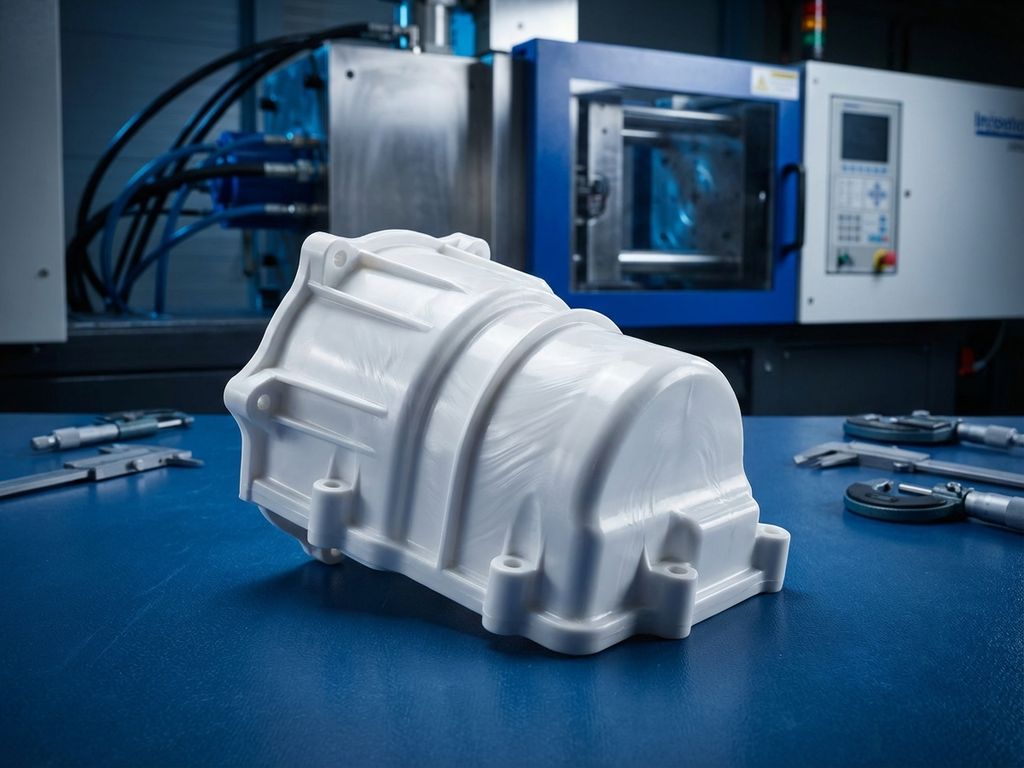
Flow lines in injection molding appear as visible streaks or lines on finished plastic parts, typically caused by variations in material flow during the injection process. These surface defects occur when molten plastic flows at different rates or temperatures, creating distinct flow patterns that remain visible after cooling. Proper injection molding optimization can eliminate flow lines through careful control of processing parameters, mold design, and material handling.
What are flow lines in injection molding and why do they occur?
Flow lines are visible surface defects that appear as streaks, lines, or wave-like patterns on injection molded parts. They form when molten plastic material flows into the mold cavity at inconsistent rates or temperatures, creating distinct boundaries between different flow fronts that solidify at slightly different times.
During the injection process, plastic material enters the mold through gates and flows to fill the entire cavity. When this flow becomes disrupted or uneven, the material creates multiple flow fronts that meet at different temperatures or speeds. These meeting points become visible as flow lines once the part cools and solidifies.
The visual impact ranges from subtle surface texture variations to prominent lines that affect both appearance and structural integrity. Flow lines typically appear as lighter or darker streaks running parallel to the direction of material flow, making them particularly noticeable on smooth surfaces or parts requiring high aesthetic quality.
What causes flow lines to appear in injection molded parts?
Inconsistent melt temperature is a primary cause of flow lines, as temperature variations create different flow rates within the same material stream. When some portions of the molten plastic are hotter than others, they flow more easily, creating the conditions for visible flow boundaries.
Several factors contribute to flow line formation:
- Inadequate injection pressure that fails to maintain consistent flow throughout filling
- Poor gate design or placement that creates turbulent or uneven material distribution
- Contaminated materials containing moisture, foreign particles, or degraded plastic
- Mold surface irregularities that disrupt smooth material flow patterns
- Inconsistent material preparation, including inadequate drying or mixing
Temperature fluctuations in the heating system, worn injection equipment, or improper material handling can all contribute to the underlying conditions that create flow disturbances during cavity filling.
How can you prevent flow lines during the injection molding process?
Optimizing processing parameters is the most effective prevention strategy, focusing on maintaining consistent melt temperature, adequate injection pressure, and proper material flow rates throughout the entire molding cycle.
Key prevention strategies include:
- Maintaining uniform melt temperature across all heating zones
- Ensuring sufficient injection pressure to fill cavities completely and consistently
- Improving gate placement and sizing to promote smooth, even material distribution
- Implementing proper material preparation, including thorough drying and contamination prevention
- Maintaining consistent mold temperatures through effective heating and cooling systems
Regular equipment maintenance, proper material storage, and systematic process monitoring help maintain the stable conditions necessary for consistent injection molding optimization. Establishing standard operating procedures for material handling and process setup reduces variability that leads to flow line formation.
What processing adjustments eliminate existing flow line problems?
Temperature modifications typically provide the quickest resolution, starting with increasing melt temperature by 10–15°C to improve material flow consistency and reduce viscosity variations that create flow boundaries.
A systematic troubleshooting approach:
- Increase injection pressure gradually to ensure complete cavity filling
- Adjust injection speed to optimize flow rate without creating turbulence
- Extend hold time to maintain pressure during cooling and solidification
- Fine-tune cooling parameters to ensure uniform part temperature
- Verify material temperature consistency across all heating zones
Make adjustments incrementally, testing each change with sample parts before implementing multiple modifications simultaneously. Monitor both the elimination of flow lines and overall part quality, as some adjustments may resolve flow issues while creating other defects if taken too far.
How does mold design impact flow line formation?
Runner system design significantly influences material flow patterns, with properly sized and positioned runners promoting smooth, consistent material distribution that minimizes flow disturbances and temperature variations.
Critical mold design factors include:
- Gate location and type selection that promote balanced filling patterns
- Adequate venting to prevent air traps that disrupt material flow
- Proper surface finish that allows smooth material movement
- Uniform wall thickness to maintain consistent flow rates
- Strategic runner and gate sizing based on part geometry and material requirements
Well-designed molds incorporate gradual transitions, avoid sharp corners that create turbulence, and position gates to minimize weld lines and flow length variations. The mold surface finish should be smooth enough to allow unrestricted material flow while meeting functional requirements.
How EAS change systems help eliminate flow lines in injection molding
EAS quick mold change systems enable rapid mold adjustments and replacements, allowing manufacturers to quickly implement design modifications, test different configurations, and maintain optimal mold conditions for consistent, high-quality production without extended downtime.
Our products address flow line challenges through:
- Rapid mold changeover capabilities that enable quick testing of different gate designs and runner configurations
- Precise mold positioning systems that ensure consistent setup and eliminate alignment variations
- Quick coupling systems for heating and cooling lines that maintain optimal mold temperatures
- Efficient mold handling equipment that prevents damage and maintains surface quality
- Reduced setup time that allows for more frequent mold maintenance and condition monitoring
By minimizing changeover time from hours to minutes, manufacturers can afford to experiment with mold modifications, implement preventive maintenance schedules, and respond quickly to quality issues. This flexibility is essential for achieving the injection molding optimization necessary to eliminate flow lines and maintain consistent part quality across various applications.
Contact us today to learn how our quick mold change solutions can improve your injection molding process and eliminate quality defects such as flow lines.
