

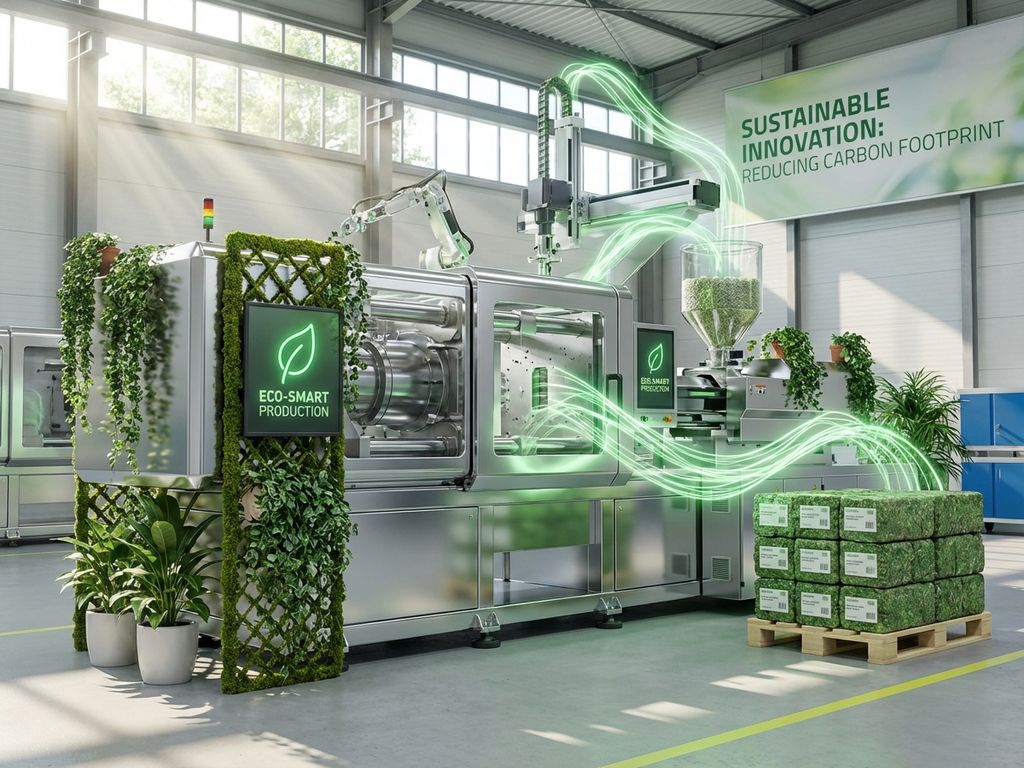
Reducing the carbon footprint of injection molding requires addressing energy consumption, material waste, and production efficiency. Manufacturers can achieve significant environmental improvements through equipment optimization, sustainable material choices, and streamlined setup processes. Quick changeover systems in particular reduce emissions by minimizing machine downtime and material waste during transitions.
What makes injection molding harmful to the environment?
Injection molding contributes to environmental harm through high energy consumption, material waste, and emissions from heating and cooling cycles. The process requires maintaining plastic at high temperatures while keeping molds cool, creating substantial energy demands that typically rely on fossil fuel-powered electricity.
Material waste occurs during startup, color changes, and part rejections. Each machine cycle that produces unusable parts represents wasted raw materials and energy. The heating systems must run continuously during production, consuming power even during brief pauses between runs.
Extended setup times compound these issues by keeping machines running without producing sellable parts. Traditional mold changes can take several hours, during which heating systems remain active while producing test shots and scrap material. This combination of energy waste and material loss significantly increases the carbon footprint per finished component.
How can manufacturers reduce energy consumption in injection molding?
Manufacturers can reduce energy consumption by optimizing heating systems, improving insulation, and implementing variable-speed drives on motors and pumps. Modern electric machines consume 20–50% less energy than hydraulic alternatives while providing more precise control over the molding process.
Temperature management plays a crucial role in energy efficiency. Proper barrel and mold insulation prevents heat loss, reducing the energy needed to maintain optimal temperatures. Variable-speed drives adjust motor speeds based on actual demand rather than running at constant maximum capacity.
Preventive maintenance ensures machines operate at peak efficiency. Clean heating elements transfer heat more effectively, properly calibrated sensors prevent overheating, and well-maintained hydraulic systems reduce energy losses. Scheduling production runs to minimize heating and cooling cycles also contributes to lower overall energy consumption.
What sustainable materials and practices reduce the environmental impact of injection molding?
Sustainable practices include using recycled plastics, bio-based materials, and implementing closed-loop recycling systems for production waste. These materials often require lower processing temperatures, reducing energy consumption while maintaining product quality and performance standards.
Integrating recycled content reduces demand for virgin plastic production. Many recycled materials perform comparably to virgin plastics when properly processed and can be blended to achieve desired properties. Bio-based plastics derived from renewable sources offer another sustainable alternative for suitable applications.
Implementing zero-waste manufacturing practices captures and reprocesses all production waste. Runners, sprues, and rejected parts can be ground and reintroduced into the production cycle. Proper material handling prevents contamination and maintains recycled content quality for continued use.
Why do shorter setup times significantly impact carbon footprint reduction?
Shorter setup times reduce the carbon footprint by minimizing machine idle time, decreasing waste generation, and improving overall production efficiency. Quick changeovers eliminate hours of energy consumption that produce no sellable products while reducing material waste from extended startup sequences.
Traditional mold changes require machines to remain heated throughout the changeover process. This can involve several hours of continuous energy consumption without any production output. Quick change systems reduce this unproductive time from hours to minutes, substantially lowering energy waste per production run.
Faster setups also reduce material waste during startup and testing phases. Each mold change requires test shots and adjustments that generate scrap material. Shorter, more efficient changeovers require fewer test cycles, reducing both material waste and the energy needed to process discarded parts.
How do EAS change systems help reduce the carbon footprint of injection molding?
EAS change systems dramatically reduce the carbon footprint by enabling mold changes in minutes rather than hours, eliminating extended periods of unproductive energy consumption. Our products minimize machine downtime while reducing material waste during transitions between production runs.
Our comprehensive solutions deliver environmental benefits through:
- Rapid clamping and release systems that reduce changeover time by up to 90%
- Automated coupler systems that eliminate manual connections and reduce setup errors
- Precision positioning that minimizes test shots and material waste
- Integrated transportation systems that streamline the entire changeover process
- Consistent, repeatable setups that reduce startup waste and energy consumption
Ready to reduce your injection molding carbon footprint? Contact us today to discuss how our quick mold change solutions can optimize your production efficiency while supporting your sustainability goals.