

Manufacturing environments face increasing challenges from electromagnetic interference, which can disrupt sensitive equipment and compromise production quality. As industrial facilities integrate more sophisticated electronic systems, magnetic clamping systems and automated machinery become more vulnerable to interference from various sources within the facility.
Understanding how to prevent magnetic interference is crucial for maintaining consistent production quality, protecting expensive equipment, and ensuring worker safety. This comprehensive guide addresses the most common questions about managing electromagnetic compatibility in manufacturing settings.
What is magnetic interference in manufacturing environments?
Magnetic interference in manufacturing environments is unwanted electromagnetic energy that disrupts the normal operation of electronic equipment, sensors, and control systems. This interference can cause equipment malfunctions, data corruption, production errors, and safety hazards in industrial facilities.
Electromagnetic interference (EMI) occurs when electromagnetic fields generated by one device affect the performance of nearby electronic equipment. In manufacturing settings, this interference typically manifests as signal distortion in control systems, unexpected equipment behavior, communication failures between networked devices, or complete system shutdowns.
The interference can be conducted through power lines and cables or radiated through the air as electromagnetic waves. Manufacturing environments are particularly susceptible because they contain numerous sources of electromagnetic energy operating in close proximity to sensitive control equipment and measurement instruments.
What are the main sources of magnetic interference in industrial facilities?
The primary sources of magnetic interference in industrial facilities include electric motors, variable frequency drives (VFDs), welding equipment, induction heating systems, and switching power supplies. These devices generate electromagnetic fields that can interfere with nearby sensitive equipment and clamping systems.
Large electric motors, especially those with brushes, create significant electromagnetic disturbances during startup and operation. Variable frequency drives, while energy-efficient, produce harmonic distortion and high-frequency switching noise that can propagate throughout electrical systems. Arc welding operations generate intense electromagnetic pulses that can affect equipment hundreds of feet away.
Additional interference sources include fluorescent lighting systems, radio transmitters, cell phones, and even overhead power lines. In metal stamping facilities, the rapid switching of magnetic clamping systems and the impact forces from presses can create electromagnetic transients that affect nearby control circuits.
How does magnetic interference affect manufacturing equipment and processes?
Magnetic interference affects manufacturing equipment by causing control system malfunctions, sensor measurement errors, communication breakdowns, and unexpected equipment shutdowns. These disruptions can result in production delays, quality defects, equipment damage, and safety risks for operators.
Sensitive measurement instruments may provide inaccurate readings, leading to out-of-specification products and increased scrap rates. Programmable logic controllers (PLCs) can experience memory corruption or execute incorrect commands when subjected to electromagnetic interference. Motor drives may trip unexpectedly or operate erratically, causing production line stoppages.
Communication networks between machines can experience data loss or corruption, preventing proper coordination of automated processes. In extreme cases, interference can cause safety systems to fail or trigger false alarms, creating hazardous conditions for workers. The cumulative effect of these disruptions can significantly impact overall equipment effectiveness and manufacturing costs.
What are the most effective magnetic shielding solutions for manufacturing?
The most effective magnetic shielding solutions for manufacturing include Faraday cages around sensitive equipment, ferrite cores on cables, twisted-pair wiring, proper grounding systems, and physical separation of interference sources from susceptible devices. These methods work by blocking, absorbing, or redirecting electromagnetic energy.
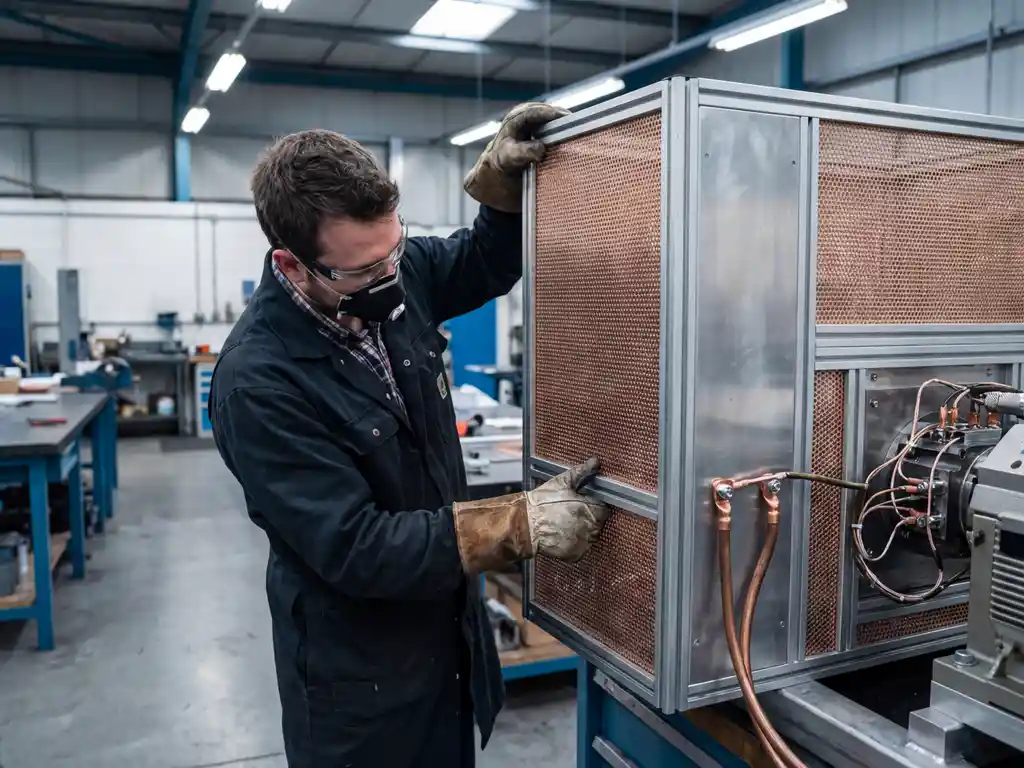
Metallic enclosures made from materials such as steel, aluminum, or specialized alloys provide excellent shielding for control panels and sensitive instruments. The effectiveness depends on the material’s conductivity, permeability, and thickness. Proper sealing of enclosure joints and cable entry points is critical for maintaining shield integrity.
Cable management plays a crucial role in interference prevention. Using shielded cables with proper termination, maintaining separation between power and signal cables, and installing ferrite suppressors can significantly reduce conducted interference. Implementing star grounding systems and ensuring low-impedance ground connections help dissipate unwanted electromagnetic energy safely.
How do you design an EMC-compliant manufacturing layout?
An EMC-compliant manufacturing layout requires strategic placement of equipment based on electromagnetic compatibility zones, with high-interference sources separated from sensitive devices by adequate distances and physical barriers. The layout should follow established guidelines for cable routing, grounding, and power distribution.
Create distinct zones within the facility based on electromagnetic compatibility requirements. Place high-interference equipment such as welders and large motors in designated areas away from sensitive control rooms and measurement stations. Establish minimum separation distances based on the power levels and frequencies involved.
Design cable routing paths that minimize exposure to interference sources. Route power and signal cables in separate conduits or cable trays with adequate spacing. Install cable shields and filters at zone boundaries to prevent interference propagation. Implement a comprehensive grounding strategy that includes equipment grounding, signal grounding, and facility grounding systems.
What maintenance practices prevent magnetic interference issues?
Regular maintenance practices that prevent magnetic interference include periodic inspection of cable shielding integrity, cleaning of electrical connections, testing of grounding systems, and monitoring of electromagnetic emission levels. These proactive measures help identify and address potential interference problems before they cause production disruptions.
Inspect cable shields for damage, corrosion, or improper termination during routine maintenance activities. Loose or corroded connections can create arcing that generates electromagnetic interference. Clean electrical contacts and tighten connections to maintain low-resistance paths and prevent intermittent faults.
Test grounding system continuity and impedance regularly to ensure effective electromagnetic energy dissipation. Monitor facility electromagnetic emission levels using spectrum analyzers to identify new sources of interference or changes in existing patterns. Document baseline measurements to track trends and detect degradation over time.
How EAS Change Systems Helps with Magnetic Interference Prevention
At EAS Change Systems, we understand the critical importance of electromagnetic compatibility in modern manufacturing environments. Our quick die change solutions are designed with built-in EMC considerations to minimize interference with your facility’s sensitive equipment and control systems.
Our magnetic clamping systems feature:
- Shielded control circuits that prevent electromagnetic interference propagation
- Filtered power supplies that reduce harmonic distortion in facility electrical systems
- Proper grounding integration that works with your existing EMC infrastructure
- Cable management solutions that maintain separation between power and signal lines
- EMC-compliant designs that meet international electromagnetic compatibility standards
Our engineering team specializes in developing customized solutions for diverse manufacturing applications while maintaining strict electromagnetic compatibility standards. Ready to implement interference-free quick die change solutions in your facility? Contact our application engineering team today for a comprehensive EMC assessment and a customized solution design that protects your investment in sensitive manufacturing equipment.