

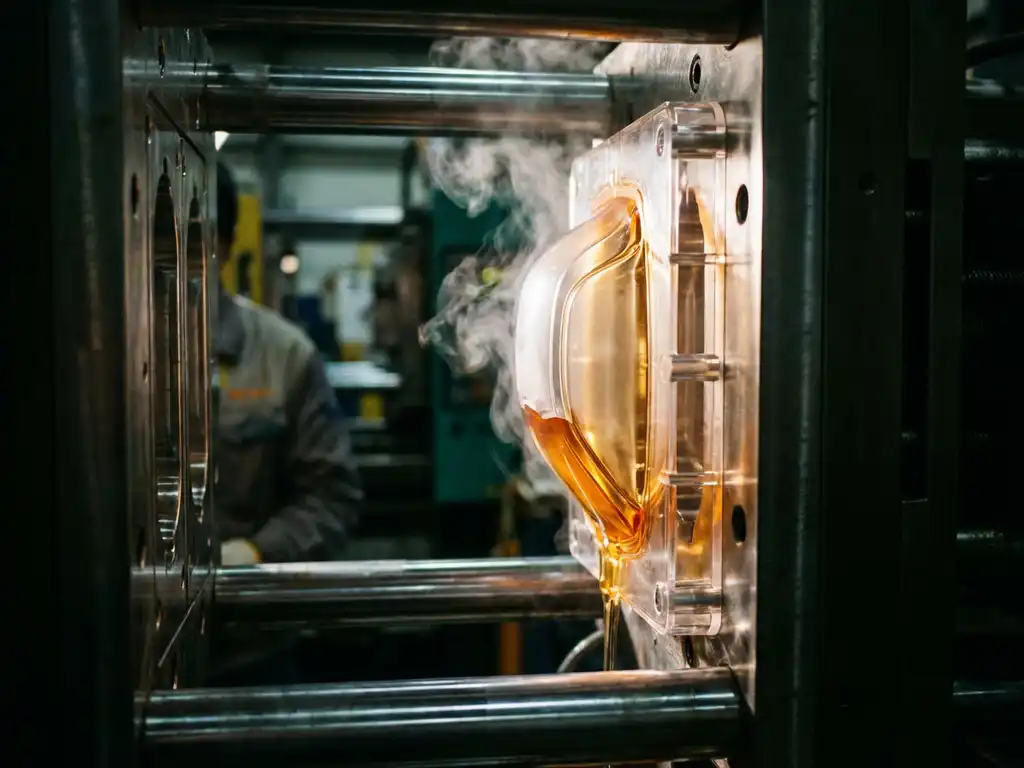
Injection molding optimization for new product development involves streamlining the molding process to achieve faster cycle times, improved part quality, and reduced costs during product launch phases. This optimization encompasses design modifications, material selection, tooling efficiency, and setup procedures that accelerate time-to-market while maintaining production quality. Understanding these optimization strategies helps manufacturers successfully introduce new products with minimal production delays and maximum efficiency.
What does injection molding optimization mean for new product development?
Injection molding optimization for new product development means systematically improving the molding process to achieve efficient production from the initial product launch onward. This involves coordinating design elements, material properties, and manufacturing parameters to create a seamless transition from prototype to full-scale production.
The optimization process begins during the design phase and continues through tooling development, trial runs, and initial production. Key performance indicators include cycle time reduction, first-pass yield, material utilization efficiency, and overall equipment effectiveness. These metrics directly impact product launch timelines and manufacturing costs.
Successful optimization requires collaboration among design teams, tooling engineers, and production personnel. The goal is to create a robust manufacturing process that delivers consistent quality while maintaining the flexibility needed for potential design modifications during the product development cycle.
How do design considerations affect injection molding efficiency during product development?
Design considerations significantly impact injection molding efficiency by determining cycle times, material flow characteristics, and tooling complexity. Early design decisions regarding part geometry, wall thickness uniformity, and feature placement directly influence how quickly and reliably parts can be molded.
Wall thickness consistency plays a crucial role in molding efficiency. Uniform wall sections promote even cooling and reduce cycle times, while varying thicknesses can create hot spots that extend cooling periods and may cause quality issues.
Gate placement and runner system design affect material flow and pressure requirements. Optimal gate positioning ensures complete cavity filling with minimal pressure, reducing cycle times and improving part quality. Strategic placement also minimizes material waste and simplifies post-molding operations.
Draft angles and surface finishes influence mold release characteristics. Adequate draft reduces ejection forces and prevents part damage, while appropriate surface textures can enhance functionality without complicating the molding process. These design elements directly impact both cycle efficiency and tooling longevity.
What are the biggest challenges when optimizing injection molding for new products?
The biggest challenges in injection molding optimization for new products include balancing design requirements with manufacturing constraints, managing material compatibility issues, and coordinating complex tooling development timelines. These challenges often require multiple iterations and careful compromise between ideal design features and practical production requirements.
Mold design complexity presents significant challenges when incorporating multiple features, intricate geometries, or tight tolerances. Complex molds require longer development times, more extensive testing, and often involve higher risks of production delays. Managing this complexity while maintaining quality standards demands careful planning and experienced engineering support.
Material selection challenges arise when new products require specific performance characteristics that may not align with optimal molding conditions. Some materials demand precise temperature control, extended cycle times, or specialized handling procedures that can impact overall production efficiency.
Quality control requirements for new products often involve establishing new testing protocols and validation procedures. This process requires time to develop appropriate inspection methods and may reveal unforeseen issues that necessitate design or process modifications.
How can manufacturers reduce setup times when launching new injection molded products?
Manufacturers can reduce setup times for new injection molded products through systematic preparation, standardized tooling approaches, and efficient changeover procedures. Quick mold change systems enable rapid transitions between different products, minimizing downtime and accelerating production schedules.
Preparation techniques include pre-staging materials, verifying mold conditions, and conducting thorough equipment checks before changeover begins. Having all necessary components, tools, and documentation readily available eliminates delays and ensures smooth transitions between production runs.
Standardized tooling interfaces and quick die change systems significantly reduce mechanical setup times. These systems allow rapid mold installation and removal while maintaining precise positioning and secure clamping. Consistent tooling standards across different products enable operators to work more efficiently and reduce setup errors.
Workflow optimization involves training personnel in efficient changeover procedures and implementing systematic approaches to setup activities. Clear procedures, proper tool organization, and coordinated team efforts can substantially reduce the time required to transition from one product to another, improving overall production flexibility and responsiveness to market demands.
How EAS Change Systems Accelerates New Product Development
EAS Change Systems provides comprehensive solutions that dramatically reduce setup times and optimize injection molding processes for new product launches. Our advanced quick die change systems and standardized tooling interfaces enable manufacturers to achieve faster time-to-market while maintaining consistent quality throughout the product development cycle.
Our solutions deliver measurable results for new product development:
- Reduce mold changeover times by up to 90% with automated positioning and clamping systems
- Eliminate setup errors through standardized tooling interfaces and guided procedures
- Accelerate product launch timelines with rapid prototyping and production transition capabilities
- Minimize production delays through reliable, repeatable changeover processes
- Improve overall equipment effectiveness during critical launch phases
Contact EAS Change Systems today to discover how our proven solutions can optimize your injection molding operations and accelerate your next product launch.