

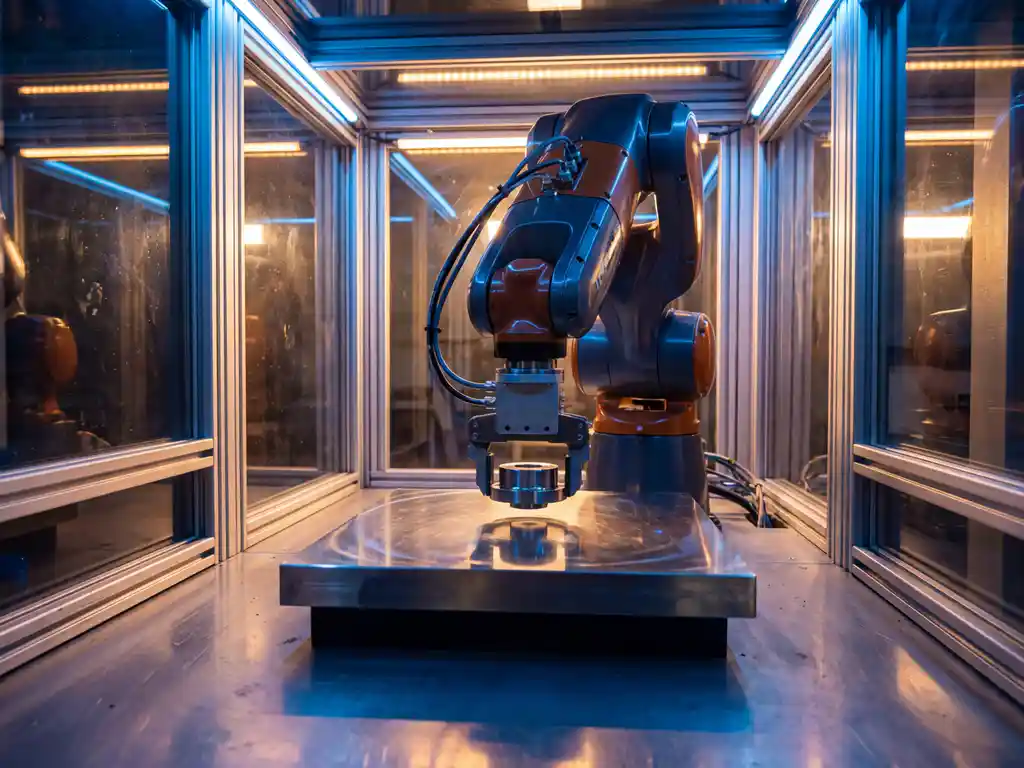
Modern manufacturing demands precision, speed, and flexibility in automated production environments. As robotic automation cells become increasingly sophisticated, the integration of magnetic clamping systems has emerged as a critical component in achieving seamless, efficient operations across a wide range of industrial applications.
Understanding how magnetic clamping systems work within robotic automation requires an examination of their communication protocols, control mechanisms, and safety requirements. These systems provide a reliable workholding foundation that enables robots to perform complex manufacturing tasks with consistent precision and minimal downtime.
What Are Magnetic Clamping Systems in Robotic Automation?
Magnetic clamping systems in robotic automation are workholding devices that use magnetic force to secure metal workpieces or tooling during automated manufacturing processes. These systems integrate directly with robotic controllers to provide precise, repeatable clamping and release operations without manual intervention.
The core components of robotic magnetic clamping systems include the magnetic chuck or clamp, a power control unit, feedback sensors, and a communication interface. Unlike traditional mechanical clamps, magnetic systems offer instantaneous engagement and release, making them ideal for high-speed automated operations where cycle-time optimization is critical.
These systems excel in applications that require frequent workpiece changes, such as automated machining cells, assembly stations, and material-handling operations. Magnetic force provides uniform holding pressure across the entire contact surface, reducing workpiece distortion and improving manufacturing accuracy compared with point-contact mechanical clamping methods.
How Do Magnetic Clamps Communicate With Robotic Controllers?
Magnetic clamps communicate with robotic controllers through digital I/O signals, fieldbus networks, or industrial Ethernet protocols that enable real-time status monitoring and control commands. Communication typically involves discrete on/off signals for activation, along with confirmation feedback signals indicating successful clamping or release.
Most modern magnetic clamping systems use standardized industrial communication protocols such as Profibus, DeviceNet, or EtherNet/IP to integrate seamlessly with robotic controllers. These protocols allow the robot to send activation commands while receiving detailed status information, including clamp position, magnetic field strength, and fault conditions.
The communication sequence typically follows a structured pattern: the robot sends a clamp activation signal; the magnetic system responds with an acknowledgment, performs the clamping operation, and returns a completion signal with status data. This closed-loop communication ensures the robot can verify that the workpiece is securely clamped before proceeding with manufacturing operations, preventing costly errors or safety incidents.
What’s the Difference Between Electromagnetic and Permanent Magnetic Systems for Robots?
Electromagnetic systems require continuous power to maintain clamping force and offer variable control of magnetic strength, while permanent magnetic systems use mechanical switching to engage permanent magnets and maintain holding force without power consumption while clamped.
Electromagnetic clamping systems provide several advantages for robotic applications, including adjustable clamping force, instant release capability, and fail-safe operation in which a power loss results in automatic workpiece release. These systems integrate easily with robotic controllers through standard electrical interfaces and can accommodate varying workpiece materials and thicknesses through force modulation.
Permanent magnetic systems offer energy efficiency and consistent holding force but require mechanical actuation to engage and disengage the magnetic field. While they consume power only during switching operations, they typically provide higher holding forces and are less susceptible to power interruptions. However, they may require more complex mechanical interfaces with robotic systems and offer less flexibility in force adjustment.
Selection Criteria for Robotic Applications
The choice between electromagnetic and permanent magnetic systems depends on specific application requirements, including cycle time, power availability, safety requirements, and workpiece characteristics. Electromagnetic systems suit applications that require frequent clamping cycles and variable force control, while permanent magnetic systems excel in applications that prioritize energy efficiency and maximum holding force.
How Do You Program Robots to Work With Magnetic Clamping Sequences?
Programming robots to work with magnetic clamping sequences involves creating structured command sequences that coordinate robot movement with clamp activation, include verification steps to confirm successful clamping, and implement error-handling routines for fault conditions.
The basic programming sequence starts with positioning the robot at the clamping location, sending the clamp activation command, waiting for confirmation feedback, and verifying that the workpiece is securely clamped before proceeding. Most robotic programming languages support this through discrete I/O commands or communication function blocks that interface with the magnetic clamping system.
Critical programming considerations include implementing appropriate time delays for magnetic field stabilization, creating verification routines that check clamp status before robot movement, and establishing error-handling procedures for failed clamping attempts. The program should also include safety interlocks that prevent robot motion when clamping status is uncertain or when fault conditions exist.
Advanced Programming Features
Sophisticated robotic programs incorporate adaptive clamping sequences that adjust parameters based on workpiece type, implement predictive maintenance monitoring through analysis of clamp performance data, and optimize cycle times through parallel processing of clamping and robot positioning operations.
What Safety Features Are Required for Magnetic Clamping Automation?
Safety features for magnetic clamping automation must include positive confirmation systems that verify secure workpiece clamping, emergency stop capabilities that immediately release clamps, and fail-safe designs that prevent hazardous conditions during power loss or system faults.
Essential safety components include dual-channel safety circuits that independently monitor clamp status, safety-rated sensors that confirm workpiece presence and correct positioning, and emergency release mechanisms that can disengage clamps under all operating conditions. These systems must comply with relevant safety standards such as ISO 13849 or IEC 61508 for machinery safety.
Additional safety considerations include proper guarding to prevent operator access during automated cycles, visual and audible warning systems that indicate clamping status, and comprehensive risk-assessment procedures that identify potential failure modes and their consequences. Regular safety-system testing and validation ensure continued protection throughout the system lifecycle.
Integration with Robot Safety Systems
Magnetic clamping safety systems must integrate with the overall robotic cell safety architecture, including light curtains, safety scanners, and emergency stop circuits. This integration ensures coordinated safety responses in which any safety-system activation results in the immediate cessation of both robot motion and clamping operations.
How EAS Change Systems Helps with Magnetic Clamping Integration
We provide comprehensive solutions for integrating magnetic clamping systems into robotic automation cells, combining our expertise in quick-change technology with advanced automation capabilities. Our approach ensures seamless integration that maximizes productivity while maintaining the highest safety standards.
Our magnetic clamping integration products include:
- Custom system design and engineering tailored to specific robotic applications
- Advanced communication interfaces compatible with all major robotic controller brands
- Safety system integration meeting international machinery safety standards
- Comprehensive programming support and operator training programs
- Ongoing technical support and maintenance services
With over 35 years of experience in automation solutions and installations across three continents, we bring proven expertise to every magnetic clamping integration project. Contact us today to discover how our magnetic clamping solutions can enhance the performance of your robotic automation cell and reduce your overall manufacturing costs.