

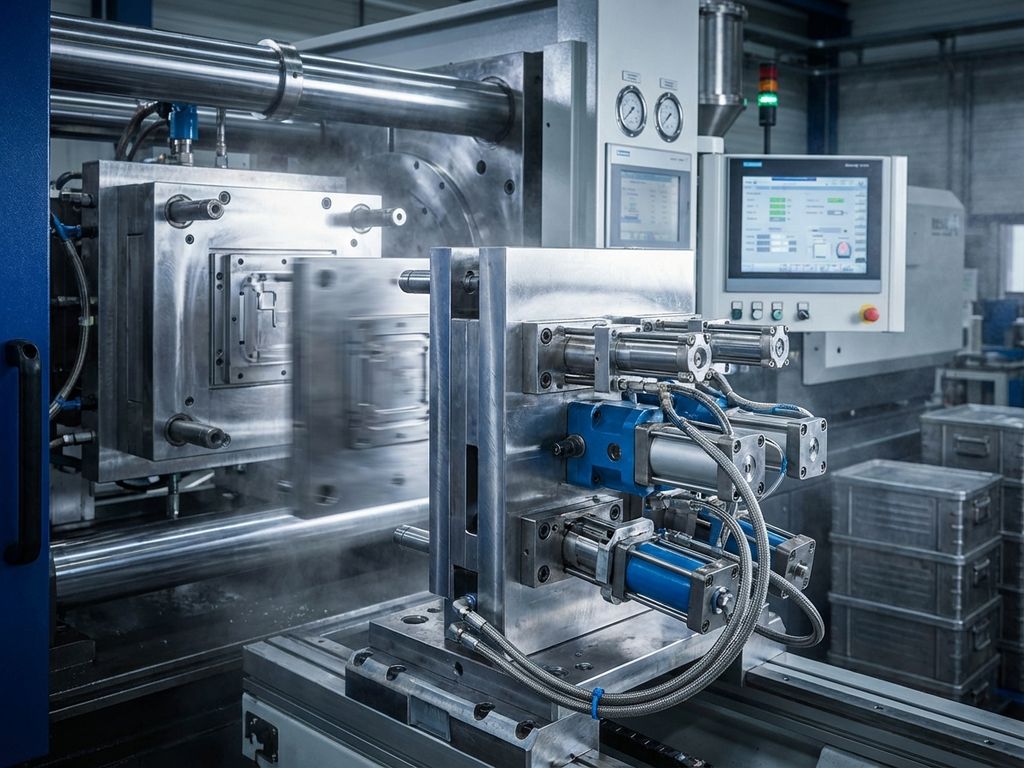
Process cycle time reduction involves optimizing each component of your manufacturing workflow to eliminate waste and improve efficiency. The most effective approaches focus on reducing setup times, streamlining equipment operations, and redesigning workflows for continuous flow. Modern manufacturers achieve significant improvements through systematic changeover optimization, preventive maintenance, and strategic layout planning.
What is process cycle time and why does it matter for manufacturers?
Process cycle time is the total time required to complete one full production cycle, from the start of setup to the finished product. It includes setup time, actual processing time, waiting periods, and material transport between operations.
Understanding cycle time components helps manufacturers identify improvement opportunities. Setup time covers mold changes, tool adjustments, and machine preparation. Processing time includes the actual manufacturing operations. Waiting time occurs when materials or products sit idle between processes. Transport time involves moving materials through the production facility.
Cycle time directly impacts production efficiency and costs. Shorter cycle times mean higher throughput, better resource utilization, and improved competitiveness. Manufacturers with optimized cycle times can respond faster to customer demands, reduce inventory levels, and achieve better profit margins. This becomes particularly critical in today’s competitive manufacturing environment, where efficiency determines market success.
What are the main factors that increase process cycle time?
The primary cycle time bottlenecks include lengthy setup procedures, equipment inefficiencies, material handling delays, quality issues requiring rework, poor workflow design, and inadequate operator training. These factors compound to create significant production slowdowns.
Setup and changeover procedures often consume the largest portion of non-productive time. Traditional mold changes, die adjustments, and tool swaps can take hours, during which production stops completely. Equipment inefficiencies arise from poor maintenance, outdated machinery, or suboptimal operating parameters that slow processing speeds.
Material handling delays occur when components must travel long distances between operations or wait in queues. Quality problems force rework cycles that double or triple processing time for affected parts. Poor workflow design creates bottlenecks where fast operations wait for slower ones. Inadequate operator training leads to longer setup times, more errors, and inefficient troubleshooting when problems arise.
How can manufacturers reduce setup and changeover times effectively?
SMED methodology (Single-Minute Exchange of Die) provides the most systematic approach to setup reduction. This technique separates internal activities (requiring machine shutdown) from external activities (performed while running) and converts internal tasks to external ones wherever possible.
Standardization of procedures ensures consistent, efficient changeovers. Document optimal sequences, prepare standard tool kits, and create visual guides for operators. Pre-position all necessary tools, materials, and components near the work area before shutdown begins.
Quick-change systems eliminate time-consuming manual adjustments. Implement standardized clamping mechanisms, preset tooling, and automated positioning systems. Train operators thoroughly on new procedures and provide regular refresher sessions. Consider specialized applications through dedicated changeover teams who specialize in fast, accurate setups, while production operators focus on running equipment efficiently.
What role does equipment optimization play in cycle time reduction?
Proper maintenance and equipment upgrades significantly reduce processing times while eliminating unexpected downtime. Well-maintained machinery operates at optimal speeds with fewer quality issues and breakdowns that interrupt production flow.
Upgrading to more efficient machinery often provides immediate cycle time improvements. Modern equipment typically offers faster processing speeds, better precision, and automated features that reduce manual intervention. However, optimizing existing machine parameters can also yield substantial gains without capital investment.
Automated systems reduce both processing time and setup requirements. Predictive maintenance approaches use sensors and data analysis to schedule maintenance before failures occur, preventing costly unplanned downtime. Regular calibration ensures machines operate at peak efficiency, while systematic parameter optimization fine-tunes speeds, temperatures, and pressures for optimal performance.
How does workflow design impact overall process cycle time?
Production layout optimization minimizes material movement and eliminates unnecessary transport time. Arrange equipment in logical sequences that follow the natural flow of materials through the manufacturing process.
Continuous flow principles reduce work-in-progress inventory and waiting times between operations. Balance line speeds so that each process step operates at similar rates, preventing bottlenecks and accumulation of partially completed products.
Strategic equipment placement creates smooth material flow with minimal handling. Position quality inspection stations immediately after critical operations to catch problems early. Design workstations for efficient operator movement and easy access to tools and materials. Consider optimizing processes by grouping related operations and minimizing distances between complementary processes.
How EAS change systems helps with process cycle time reduction
EAS change systems dramatically reduce process cycle times by transforming setup procedures from hours-long operations into minute-level changeovers. Our quick mold change and quick die change solutions eliminate the primary bottleneck in most manufacturing operations.
Our comprehensive solutions include:
- Adaptive clamping systems that secure molds and dies instantly without manual adjustments
- Automated changeover equipment that handles heavy tooling safely and precisely
- Mono and multi-coupler systems for rapid connection of utilities and services
- Mold change tables and transportation vehicles for efficient tool movement
- Complete turnkey systems designed for your specific production requirements
We provide comprehensive project management, application engineering, installation, and ongoing service support to ensure optimal performance. Our ROI calculations demonstrate how reduced changeover times translate into increased productivity and lower manufacturing costs.
Contact us today to discover how our quick change systems can transform your production efficiency and reduce cycle times across your manufacturing operations.