

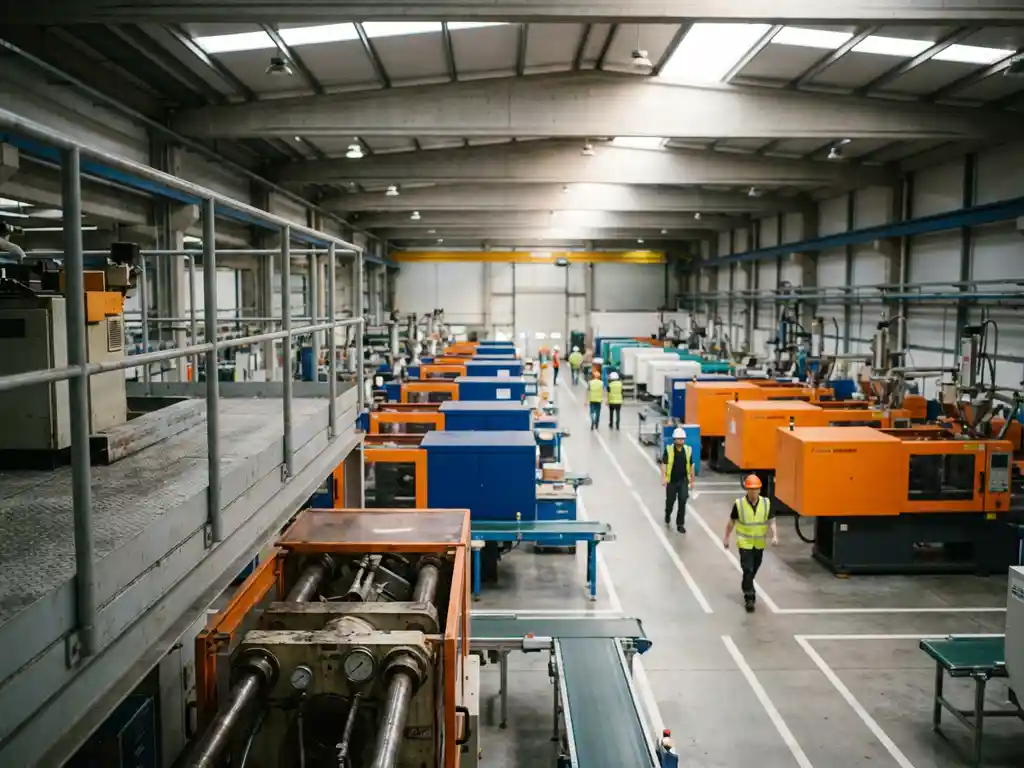
Injection molding facility layout optimization involves strategically arranging equipment, workstations, and material flow paths to maximize production efficiency and reduce manufacturing costs. Proper layout design minimizes setup times, eliminates bottlenecks, and creates smooth workflow patterns that directly impact your bottom line. Understanding these optimization principles helps manufacturers reduce cycle times and improve overall productivity.
What is injection molding facility layout optimization and why does it matter?
Injection molding facility layout optimization is the systematic arrangement of production equipment, storage areas, and workstations to create efficient material flow and minimize waste. This strategic approach reduces setup times, eliminates unnecessary movement, and maximizes equipment utilization while maintaining safety standards.
The importance of proper facility layout becomes clear when considering its impact on manufacturing costs. Optimized layouts reduce material handling time by up to 30% and significantly decrease the time required for mold changes and maintenance activities. When injection molding machines, auxiliary equipment, and support systems are positioned strategically, operators can work more efficiently and safely.
Material flow optimization forms the foundation of effective layout design. Raw materials should move seamlessly from storage to processing areas, with finished products following a clear path to packaging and shipping zones. This reduces handling costs and minimizes the risk of contamination or damage during production.
Equipment accessibility also plays a crucial role in layout effectiveness. Machines positioned with adequate clearance allow for easier maintenance, faster mold changes, and improved safety during operations. Proper spacing prevents bottlenecks during peak production periods while ensuring compliance with safety regulations.
How does poor facility layout impact injection molding productivity?
Poor facility layout creates multiple productivity challenges that directly increase manufacturing costs and reduce competitiveness. Common problems include excessive material handling, production bottlenecks, inefficient mold change processes, and wasted floor space, which leads to longer cycle times and reduced profitability.
Excessive material handling represents one of the most significant productivity drains in poorly designed facilities. When raw materials, molds, and finished products require unnecessary movement between areas, labor costs increase substantially while creating opportunities for damage and contamination. Workers spend valuable time transporting materials instead of focusing on value-added activities.
Production bottlenecks occur when equipment placement creates congestion points during normal operations. These bottlenecks become particularly problematic during shift changes, maintenance activities, or when multiple machines require attention simultaneously. The resulting delays cascade through the entire production schedule.
Inefficient mold change processes often stem from inadequate space allocation around injection molding machines. When molds must be transported long distances or maneuvered through tight spaces, changeover times increase significantly. This increases downtime and reduces overall equipment effectiveness.
Wasted floor space represents missed opportunities for additional equipment or improved workflow. Many facilities suffer from poor space utilization due to historical equipment placement decisions that no longer serve current production needs.
What are the key principles of effective injection molding facility design?
Effective injection molding facility design follows core principles, including optimized material flow, strategic equipment placement, organized workspaces, comprehensive safety considerations, and the integration of quick mold change systems. These principles work together to minimize downtime and maximize production throughput while maintaining operational safety.
Material flow optimization requires designing clear pathways from raw material storage through processing to finished goods. The ideal layout creates a logical sequence that minimizes backtracking and cross-traffic between different production areas. This includes positioning auxiliary equipment like dryers, conveyors, and quality control stations along natural workflow patterns.
Equipment placement strategies focus on grouping related machinery while maintaining adequate clearance for operations and maintenance. Injection molding machines should be positioned to allow easy access for mold changes, with overhead crane coverage where necessary. Supporting equipment like chillers and material handling systems requires strategic placement to serve multiple machines efficiently.
Workspace organization extends beyond equipment placement to include tool storage, maintenance areas, and operator stations. Well-organized workspaces reduce search time and improve safety by keeping frequently used items within easy reach. This includes dedicated areas for mold storage and preparation activities.
Safety considerations must be integrated throughout the facility design process. This includes proper spacing for emergency access, clear sight lines for supervision, and separation of pedestrian walkways from material handling equipment. Quick mold change systems contribute to safety by reducing manual handling requirements during changeover operations.
How do you identify layout optimization opportunities in existing facilities?
Identifying layout optimization opportunities requires systematic assessment methods, including workflow analysis, bottleneck identification, time and motion studies, space utilization evaluation, and employee feedback collection. These assessment techniques help pinpoint specific areas where improvements can deliver measurable productivity gains.
Workflow analysis involves mapping current material and personnel movement patterns throughout the facility. This reveals unnecessary travel distances, frequent congestion points, and opportunities to streamline processes. Visual tracking methods like spaghetti diagrams clearly show inefficient movement patterns that waste time and resources.
Bottleneck identification focuses on finding constraint points that limit overall production capacity. These often occur at material handling intersections, shared equipment areas, or inadequately sized workstations. Understanding bottleneck locations helps prioritize improvement efforts for maximum impact.
Time and motion studies provide quantitative data about current performance levels. By measuring setup times, material handling duration, and equipment utilization rates, manufacturers can establish baseline metrics for improvement initiatives. These studies often reveal significant time losses that were not previously recognized.
Space utilization evaluation examines how effectively available floor space serves production needs. This includes identifying underutilized areas, overcrowded sections, and opportunities for better space allocation. Many facilities discover substantial improvement potential through better space management.
Employee feedback collection captures valuable insights from workers who understand daily operational challenges. Production staff often identify practical solutions that might not be apparent during formal assessments. Their input helps ensure proposed changes will work effectively in practice.
What steps should manufacturers take to implement layout improvements?
Implementing layout improvements requires a structured approach covering planning phases, budget considerations, equipment relocation strategies, employee training requirements, and measurement of improvement results. This systematic implementation process ensures successful optimization outcomes while minimizing production disruptions.
Planning phases begin with detailed current-state analysis and the development of future-state designs. This includes creating scaled facility drawings, equipment specifications, and implementation timelines. Phased implementation approaches allow improvements to proceed without shutting down entire production areas simultaneously.
Budget considerations encompass equipment relocation costs, potential production losses during transitions, and investments in new infrastructure. Many improvements can be implemented during scheduled maintenance periods to minimize disruption costs. Priority should be given to changes offering the highest return on investment.
Equipment relocation strategies require careful coordination to maintain production schedules while implementing changes. This includes arranging specialized moving equipment, updating utility connections, and ensuring proper equipment calibration after relocation. Safety protocols must be maintained throughout the relocation process.
Employee training requirements ensure workers understand new workflows and safety procedures. This includes updating standard operating procedures, providing hands-on training for new processes, and establishing clear communication channels for questions or concerns during the transition period.
Measurement of improvement results validates the success of layout changes through key performance indicators. Tracking metrics like setup times, material handling costs, and overall equipment effectiveness demonstrates the value of optimization efforts and identifies areas requiring further refinement.
How EAS Change Systems helps with injection molding facility layout optimization
EAS Change Systems provides comprehensive solutions for injection molding facility layout optimization through our expertise in quick mold change systems and production efficiency consulting. Our approach helps manufacturers achieve significant improvements in productivity and cost reduction through strategic facility redesign and advanced changeover technologies.
Our solutions include:
- • Facility layout assessment and optimization recommendations
- • Quick mold change system design and installation
- • Material flow analysis and improvement strategies
- • Equipment positioning consultation for maximum efficiency
- • Training programs for optimized changeover procedures
- • Ongoing support to ensure sustained productivity gains
Ready to optimize your injection molding facility layout and reduce changeover times? Contact EAS Change Systems today to schedule a consultation and discover how our proven solutions can transform your manufacturing efficiency.