

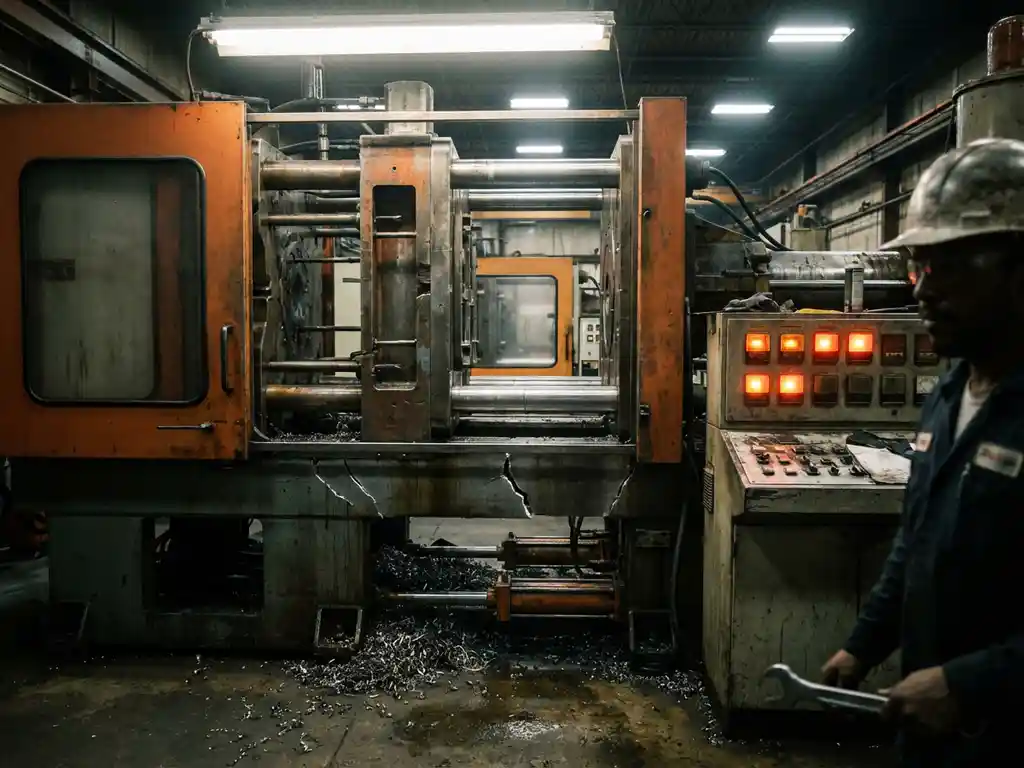
Injection molding equipment failure can bring production lines to a grinding halt, costing manufacturers thousands of dollars per hour in lost productivity. Recognizing the early warning signs of equipment problems is crucial to maintaining efficient operations and minimizing unexpected downtime. By understanding what to look for and when to take action, manufacturers can implement proactive maintenance strategies that keep their injection molding operations running smoothly.
The key to effective injection molding troubleshooting lies in monitoring your equipment’s performance patterns and addressing issues before they escalate into costly breakdowns. This comprehensive guide will help you identify critical warning signs, understand component wear patterns, and develop strategies to reduce production downtime.
What are the most common warning signs of injection molding equipment failure?
The most common warning signs of injection molding equipment failure include unusual noises, inconsistent cycle times, temperature fluctuations, hydraulic fluid leaks, and declining part quality. These symptoms typically appear weeks or months before complete equipment failure occurs.
Unusual sounds from your injection molding machine often indicate mechanical problems developing within critical components. Listen for grinding noises from the screw and barrel assembly, which may signal worn flight tips or barrel damage. Knocking sounds from the hydraulic system could indicate pump wear or contaminated fluid, while squealing from drive belts suggests tension issues or bearing wear.
Temperature inconsistencies across heating zones represent another critical warning sign. When barrel temperatures fluctuate beyond normal parameters or fail to reach set points, heater bands may be failing, or thermocouples could be malfunctioning. Similarly, oil temperature variations in hydraulic systems often precede pump failures or cooling system problems.
Changes in cycle times, even seemingly minor ones, frequently indicate developing mechanical issues. Slower injection speeds might suggest hydraulic pump wear, while extended cooling times could signal problems with the cooling circuit or mold temperature control systems.
How do you know when injection molding machine components are wearing out?
Injection molding machine components show wear through measurable performance degradation, including reduced shot consistency, increased energy consumption, longer cycle times, and visible wear patterns during routine inspections. Regular monitoring of these parameters helps identify components approaching end of life.
The screw and barrel assembly shows wear through decreased plasticizing efficiency and shot-to-shot weight variations. When your machine requires higher back pressure to achieve consistent melt quality, or when you notice increased material degradation, these components likely need attention. Visual inspection during scheduled maintenance may reveal worn flight tips, barrel scoring, or check valve damage.
Hydraulic system components demonstrate wear through pressure drops, slower actuator speeds, and increased fluid temperatures. Monitor system pressure during injection and clamping cycles—declining pressures often indicate internal leakage in cylinders, valves, or the main pump. Contaminated hydraulic fluid, evidenced by dark coloration or metallic particles, signals component wear throughout the system.
Electrical components typically show gradual performance degradation before complete failure. Temperature controllers may exhibit erratic behavior, with heating zones cycling more frequently or failing to maintain stable temperatures. Drive motors might draw higher amperage while delivering less consistent performance, indicating bearing wear or winding deterioration.
What causes sudden injection molding equipment breakdowns?
Sudden injection molding equipment breakdowns typically result from catastrophic failures of critical components, contaminated materials causing blockages, electrical surges, or the culmination of ignored maintenance warning signs. These failures often occur when minor issues are left unaddressed until they cascade into major problems.
Material contamination represents one of the most common causes of sudden breakdowns. Foreign particles in the plastic resin can jam the screw mechanism, while moisture in hygroscopic materials can cause pressure spikes that damage barrels or screws. Metal contamination is particularly dangerous, as it can cause immediate and severe damage to processing components.
Electrical system failures can shut down operations instantly. Power surges may damage control boards, while overheating can cause motor windings to fail. Poor electrical connections, often caused by vibration or corrosion, can create intermittent faults that eventually lead to complete system shutdown.
Hydraulic system catastrophic failures typically occur when contaminated fluid causes rapid wear of precision components. Pump seizure, valve body cracking, or cylinder seal failure can happen suddenly when contamination levels exceed critical thresholds. These failures are often preventable through proper fluid maintenance and filtration.
How can you prevent injection molding equipment failure before it happens?
Preventing injection molding equipment failure requires implementing a comprehensive preventive maintenance program that includes regular inspections, scheduled component replacements, proper material handling, and continuous performance monitoring. Proactive maintenance can reduce unexpected downtime by up to 70% compared to reactive approaches.
Establish a systematic inspection schedule that covers all critical machine components. Daily checks should include visual inspections of hydraulic fluid levels and condition, temperature readings across all zones, and cycle time monitoring. Weekly inspections might focus on belt tension, coupling alignment, and safety system functionality. Monthly in-depth inspections should examine screw and barrel condition, hydraulic system pressure testing, and electrical connection integrity.
Implement condition-based monitoring systems that track key performance indicators continuously. Modern sensors can monitor vibration patterns, temperature trends, pressure variations, and energy consumption in real time. These systems provide early warning of developing problems, often detecting issues weeks before they become critical.
Maintain strict material-handling protocols to prevent contamination-related failures. Ensure proper drying of hygroscopic materials, implement effective material filtration systems, and establish procedures for handling material changeovers. Clean, dry material significantly reduces the risk of sudden equipment failures.
When should you replace versus repair injection molding equipment?
Replace injection molding equipment when repair costs exceed 50%–60% of the replacement value, when repair-related downtime significantly impacts production schedules, or when aging equipment can no longer meet current production requirements. Repair equipment when failures are isolated to specific components and the overall machine condition remains sound.
Consider the total cost of ownership when making repair-versus-replacement decisions. Factor in not only the immediate repair costs but also the likelihood of future failures, differences in energy efficiency, and improvements in production capability. Newer equipment often offers better energy efficiency, faster cycle times, and improved process control, which can justify replacement costs through operational savings.
Evaluate your production requirements against equipment capabilities. If your current machine cannot meet quality standards, production volumes, or new product specifications, replacement may be necessary regardless of repair costs. Similarly, if safety regulations have changed since your equipment was manufactured, upgrades or replacement may be mandatory.
Age and the availability of replacement parts play crucial roles in this decision. Equipment more than 15–20 years old may have limited parts availability, making future repairs difficult and expensive. When critical components, such as control systems, become obsolete, replacement often becomes the most practical long-term solution.
How EAS Change Systems Helps Reduce Production Downtime
We specialize in quick mold change and quick die change solutions that dramatically reduce setup times and minimize production interruptions. Our advanced products transform time-consuming mold changes from hours-long processes into operations completed in just minutes, directly addressing one of the primary causes of planned downtime in injection molding operations.
Our comprehensive approach to production downtime reduction includes:
- Quick mold change systems that reduce changeover times by up to 90%
- Adaptive clamping systems that ensure consistent, reliable mold securing
- Automated mold transportation and positioning equipment
- Preventive maintenance programs and ROI calculations
- 24/7 technical support and service capabilities worldwide
With more than 35 years of experience and installations across three continents, we understand the critical importance of minimizing unplanned downtime while optimizing planned maintenance windows. Our applications span diverse industries, providing proven solutions for manufacturers worldwide. Contact us today to learn how our proven quick-change solutions can enhance your production efficiency and reduce costly equipment-related interruptions.