

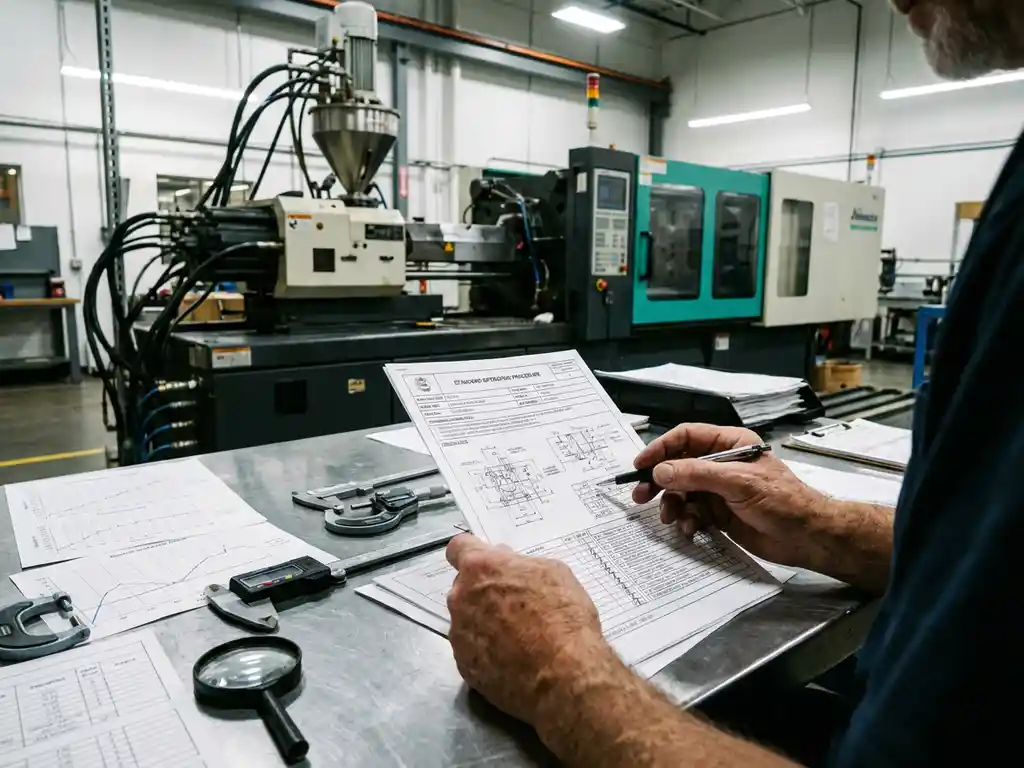
Creating injection molding standard operating procedures involves developing detailed, step-by-step documentation that ensures consistent quality, safety, and efficiency in manufacturing operations. These procedures standardize critical processes, reduce variability, and provide clear guidance for operators. Effective SOPs address safety protocols, equipment specifications, material handling, quality checkpoints, and troubleshooting steps while maintaining regulatory compliance throughout your injection molding operations.
What are injection molding standard operating procedures, and why are they essential?
Injection molding standard operating procedures are detailed written instructions that define exactly how to perform specific manufacturing tasks consistently and safely. These documents serve as the foundation for quality control, operator training, and regulatory compliance in injection molding facilities.
SOPs are essential because they eliminate guesswork from complex manufacturing processes. When operators follow standardized procedures, you achieve consistent part quality, reduce scrap rates, and minimize safety incidents. These procedures also ensure that knowledge isn’t lost when experienced operators leave, maintaining continuity in your production operations.
From a compliance perspective, SOPs demonstrate due diligence to regulatory bodies and quality auditors. They provide documented evidence that your facility follows established best practices and maintains control over critical manufacturing processes. This documentation becomes particularly important during quality audits or when investigating production issues.
Effective SOPs also support injection molding optimization by establishing baseline procedures that can be measured and improved over time. When everyone follows the same methods, you can accurately assess process performance and identify opportunities for enhancement.
What key elements should every injection molding SOP include?
Every injection molding SOP should include safety protocols, equipment specifications, step-by-step procedures, quality checkpoints, troubleshooting guidance, and documentation requirements. These elements ensure comprehensive coverage of all critical aspects of the manufacturing process.
Safety protocols must appear prominently at the beginning of each SOP, covering personal protective equipment requirements, lockout/tagout procedures, and emergency response steps. Equipment specifications should detail machine settings, tooling requirements, and calibration parameters needed for consistent operation.
The procedural section forms the core of your SOP, breaking down complex tasks into clear, sequential steps. Each step should specify who performs the action, what tools are needed, and what the expected outcome should be. Quality checkpoints should be integrated throughout the process, not just at the end.
Troubleshooting sections help operators address common issues without stopping production unnecessarily. Include decision trees that guide operators through problem-solving steps and clearly indicate when to escalate issues to supervisors or maintenance personnel.
Documentation requirements ensure traceability and accountability. Specify what records must be kept, how long to retain them, and where to store documentation for easy retrieval during audits or investigations.
How do you identify which injection molding processes need SOPs first?
Prioritize SOP development based on safety risks, quality impact, process complexity, and regulatory requirements. Start with processes that pose the highest safety risks or have the greatest impact on product quality and customer satisfaction.
Safety-critical processes should receive immediate attention, including machine startup and shutdown procedures, mold changes, and maintenance activities. These operations often involve the highest risk of injury and require clear, standardized approaches to protect your workforce.
Quality-critical processes come next, particularly those affecting key product characteristics or customer specifications. Focus on procedures that directly impact dimensional accuracy, surface finish, or material properties that customers depend on.
Complex processes with multiple variables or decision points benefit significantly from standardization. Operations requiring precise timing, temperature control, or material handling sequences should be documented to reduce variability and operator error.
Create an implementation roadmap that addresses high-priority processes within the first quarter, medium-priority items within six months, and comprehensive coverage within one year. This phased approach allows you to build momentum while ensuring quality documentation for each procedure.
What’s the most effective way to write clear injection molding SOPs?
Write clear injection molding SOPs using simple language, logical sequencing, visual aids, and consistent formatting throughout all documents. Effective SOPs use action-oriented language that tells operators exactly what to do rather than what not to do.
Structure each SOP with a standard format including purpose, scope, responsibilities, materials needed, step-by-step procedures, quality checks, and troubleshooting guidance. This consistency helps operators quickly find the information they need during production.
Use active voice and specific action verbs that leave no room for interpretation. Instead of writing „temperature should be checked,“ write „measure barrel temperature using the infrared thermometer and record the reading on Form QC-101.“
Integrate visual aids such as photographs, diagrams, and flowcharts to clarify complex procedures. Visual elements are particularly helpful for showing proper tool positioning, safety equipment usage, and quality inspection points.
Keep sentences short and use bullet points or numbered lists for sequential steps. Avoid technical jargon unless it’s commonly understood by your operators, and define any specialized terms that must be used. Test your SOPs with actual operators to ensure clarity before final implementation.
How do you implement and maintain injection molding SOPs effectively?
Implement injection molding SOPs through structured training programs, phased rollouts, regular compliance monitoring, and systematic review cycles. Effective implementation requires operator buy-in and management commitment to following documented procedures consistently.
Begin implementation with comprehensive training that covers not just what to do, but why procedures matter for safety and quality. Hands-on training sessions work better than simply distributing documents, allowing operators to practice procedures under supervision before working independently.
Roll out SOPs gradually, starting with pilot areas or shifts to identify potential issues before full implementation. This approach allows you to refine procedures based on real-world feedback and build confidence in the system.
Monitor compliance through regular audits and direct observation, but focus on coaching rather than punishment when deviations occur. Understanding why operators deviate from procedures often reveals opportunities to improve the SOPs themselves.
Establish review cycles that evaluate SOP effectiveness quarterly and update procedures annually or when process changes occur. Encourage operator feedback and suggestions for improvement, as frontline workers often identify practical enhancements that improve both efficiency and compliance.
Maintain document control systems that ensure operators always access current versions of SOPs. Outdated procedures create confusion and undermine the entire standardization effort, so version control becomes critical for long-term success.
Remember that while injection molding focuses on plastic processing, similar systematic approaches apply across manufacturing industries. Quick die change systems in metal stamping operations benefit from equally rigorous procedural documentation to minimize changeover times and maintain safety standards.
How EAS Change Systems Helps with Standard Operating Procedures
EAS Change Systems provides comprehensive support for developing and implementing injection molding standard operating procedures that drive measurable improvements in safety, quality, and efficiency. Our systematic approach helps manufacturers create robust documentation systems that stand up to regulatory scrutiny while improving daily operations.
Our SOP development services include:
- Complete process assessment and risk analysis to identify critical procedures
- Custom SOP writing that follows industry best practices and regulatory requirements
- Visual documentation including photographs, diagrams, and flowcharts
- Operator training programs that ensure proper implementation
- Document control systems that maintain version accuracy
- Regular review and update cycles to keep procedures current
Ready to standardize your injection molding operations with professional SOPs that deliver results? Contact EAS Change Systems today to schedule your facility assessment and discover how our proven methodology can transform your manufacturing processes.