

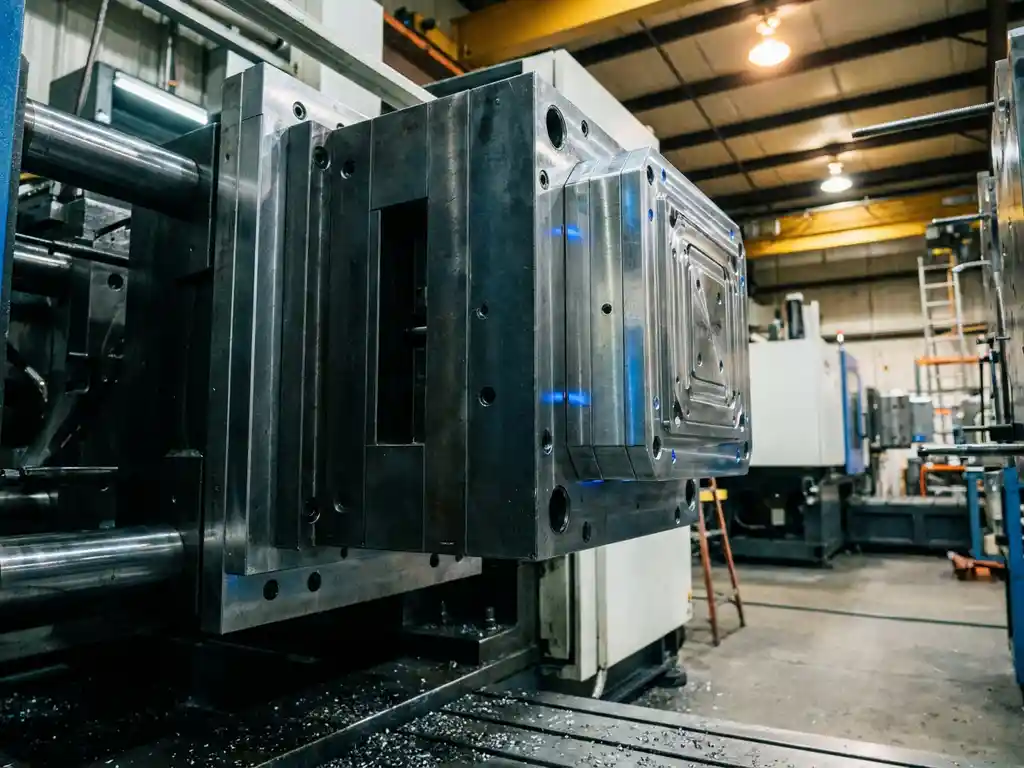
Magnetic clamping systems have quietly transformed the way manufacturers approach mold and die changeovers. Where traditional mechanical or hydraulic clamping once demanded significant downtime, skilled setup crews, and lengthy adjustment procedures, magnetic technology delivers a faster, cleaner, and more repeatable alternative. Across a wide range of industries, these systems are proving that rapid changeover is not just a nice-to-have feature but a genuine competitive advantage. Below, we explore nine sectors where magnetic clamping systems consistently outperform every other method.
What makes magnetic clamping the fastest changeover solution
The core principle behind magnetic clamping is straightforward: an electromagnet or permanent magnet integrated into the platen surface activates to hold a mold or die firmly in place without the need for individual clamps, bolts, or hydraulic connections. This means a changeover that once took hours can be completed in minutes, sometimes seconds. The clamping force is distributed evenly across the entire mold base, reducing stress concentrations and improving part quality in the process.
What sets magnetic clamping apart from mechanical alternatives is the combination of speed, repeatability, and safety. There are no loose components to misplace, no torque settings to verify, and no risk of uneven clamping force causing mold damage. For manufacturers running multiple SKUs or short production runs, this reliability translates directly into higher machine utilization and lower cost per part. To understand the full range of clamping applications where this technology excels, the diversity of industries covered is broader than many manufacturers initially expect.
1: Plastic injection molding — seconds, not hours
Plastic injection molding is arguably where magnetic clamping systems deliver their most dramatic impact. In high-mix, low-volume injection molding environments, changeovers can occur multiple times per shift. Every minute spent swapping molds is a minute the machine is not producing revenue.
Magnetic platens eliminate the need to manually fasten and torque individual clamps around the mold perimeter. The operator positions the mold, activates the magnet, and the machine is ready to run. This process is not only faster but also more consistent, since the clamping force is uniform regardless of operator experience or fatigue. Mold damage caused by uneven mechanical clamping is significantly reduced.
Injection molders running family molds, prototype tools, or frequent product changeovers gain the most from this technology. Facilities managing dozens of active mold numbers benefit from the repeatability that magnetic systems provide shift after shift.
2: Metal stamping and progressive die operations
Metal stamping presses operate under high tonnage and repetitive impact loads, making secure die retention critical. Progressive die operations in particular involve complex tooling that must be positioned with precision to maintain part tolerances across thousands of strokes.
Magnetic clamping in stamping applications provides a rigid, vibration-resistant hold that does not loosen over time the way mechanical fasteners can. The even distribution of clamping force also protects precision die components from the micro-movement that can cause premature wear. When it is time to change the die, deactivating the magnet releases the tool instantly, without the need to remove multiple clamps from awkward positions around a heavy die set.
Stamping operations running high-volume production with occasional die changes, as well as job shops managing frequent changeovers between different part families, both find measurable cycle time savings with magnetic die clamping.
3: Die casting — handling extreme heat and pressure
Die casting presents a uniquely demanding environment for any clamping solution. Molds operate at elevated temperatures, are subjected to high injection pressures, and must withstand the thermal cycling that comes with repeated heating and cooling. Traditional mechanical clamps can loosen as materials expand and contract, introducing risk into what is already a high-stress process.
Magnetic clamping systems designed for die casting are engineered to maintain consistent holding force across a wide temperature range. The absence of mechanical fasteners means there are fewer failure points, and the clamping force does not degrade with thermal expansion the way bolt tension can. This stability is particularly valuable in aluminum, zinc, and magnesium die casting, where mold integrity directly affects part quality and scrap rates.
Die casters running high-volume production of structural components, housings, or precision castings will find that magnetic systems reduce both changeover time and the risk of mold-related defects during production.
4: Rubber and silicone molding production
Rubber and silicone molding involves elevated temperatures and the need for precise compression across the mold parting line. Achieving uniform clamping force is essential to preventing flash, ensuring complete cavity fill, and maintaining consistent part dimensions. Mechanical clamping systems often struggle to deliver this uniformity, particularly on larger mold footprints.
Magnetic clamping distributes force evenly across the mold base, which is especially beneficial for compression and transfer molding of rubber compounds. Changeovers in rubber molding can be time-consuming due to the size and weight of tooling, and magnetic systems simplify the process by eliminating the need to reposition and retighten multiple clamps after each tool swap.
Manufacturers of seals, gaskets, medical-grade silicone components, and consumer rubber goods benefit from the combination of clamping uniformity and faster setup that magnetic technology provides.
5: Automotive parts manufacturing at scale
Automotive manufacturing demands both high volume and high precision, often simultaneously. Whether producing interior trim components, under-hood parts, or structural elements, automotive suppliers run tight production schedules where unplanned downtime or slow changeovers directly affect delivery performance.
Magnetic clamping systems support lean manufacturing principles by enabling single-minute exchange of dies and molds, reducing the setup time that traditional methods require. In automotive environments where the same press or injection machine may run multiple part numbers across a shift, the ability to change tooling quickly without sacrificing repeatability is a genuine operational advantage. Exploring the full range of magnetic and hydraulic clamping products available makes it easier to match the right system to specific automotive production requirements.
Tier 1 and Tier 2 automotive suppliers running just-in-time production schedules gain the most from magnetic clamping, particularly in facilities managing high part variety across a shared machine pool.
6: Aerospace component fabrication
Aerospace manufacturing prioritizes precision and traceability above almost everything else. Components must meet exacting tolerances, and every element of the production process is subject to validation and documentation requirements. Clamping systems used in aerospace fabrication must be reliable, repeatable, and consistent across every setup.
Magnetic clamping provides a documented, repeatable clamping force that supports process validation requirements. Because the system eliminates manual torque application and individual clamp placement, there is less operator-to-operator variability in setup, which is a meaningful advantage in regulated manufacturing environments. The reduced risk of mold or die damage also supports the traceability requirements that aerospace quality systems demand.
Fabricators producing composite structures, precision-machined housings, and injection-molded interior components for aerospace applications benefit from the process consistency that magnetic systems introduce.
7: Medical device and pharmaceutical molding
Medical device and pharmaceutical molding operate under strict regulatory frameworks where process consistency, cleanliness, and documentation are non-negotiable. Mold changeovers in these environments must be executed with precision, and any contamination risk introduced during setup is a serious concern.
Magnetic clamping systems reduce the number of physical touchpoints during a changeover, which supports cleanroom compatibility and reduces the risk of introducing contamination from tools, fasteners, or lubricants. The repeatable clamping force also supports process validation documentation, since the setup parameters are consistent from one changeover to the next.
Manufacturers of single-use medical components, diagnostic device housings, and pharmaceutical packaging benefit from magnetic clamping’s ability to support both speed and the rigorous documentation that regulatory compliance requires.
8: Consumer electronics and micro-component molding
Consumer electronics production involves small, intricate components molded to tight tolerances, often in high-cavitation tools that require precise alignment and uniform clamping pressure. The product lifecycle in consumer electronics is also shorter than in many other industries, meaning tooling changes happen frequently as new product generations replace older designs.
Magnetic clamping systems support the rapid changeover cadence that electronics manufacturers need without compromising the alignment precision that multi-cavity micro-component tooling demands. Even clamping force across the mold base prevents the micro-deflection that can cause dimensional variation in small, precision parts.
Electronics contract manufacturers and OEM molders running high-mix programs with frequent new product introductions gain significant throughput advantages from magnetic clamping, particularly when managing large inventories of active tooling.
9: Packaging and food-grade production lines
Packaging production, particularly in food-grade and beverage applications, combines high-volume output with frequent format changes driven by SKU proliferation, seasonal packaging, and retail customer requirements. Changeover speed directly affects the economics of short production runs, and hygiene requirements add another layer of complexity to the setup process.
Magnetic clamping systems simplify changeovers on packaging lines by eliminating mechanical fasteners that can harbor contamination and are time-consuming to remove and replace during tool swaps. The clean, flat platen surface is easier to maintain in hygienic environments, and the speed of changeover supports the lean, responsive production scheduling that food and beverage customers demand.
Manufacturers of caps, closures, containers, trays, and flexible packaging components running frequent format changes benefit from the combination of hygiene compatibility and setup speed that magnetic clamping delivers.
How EAS Change Systems helps with magnetic clamping
We have been developing and supplying quick change solutions for industrial manufacturers since 1985, and magnetic clamping sits at the heart of what we do. Our Pressmag LP and SP magnetic clamping systems are designed to integrate with plastic injection molding machines of all sizes, delivering fast, repeatable mold changes without mechanical fasteners. For applications where hydraulic clamping is preferred or required, we also offer our MOD, ELY, and HECS hydraulic clamp ranges as part of a comprehensive clamping portfolio.
What we provide goes beyond the hardware. Our approach to clamping includes:
- Magnetic clamping systems (Pressmag LP and SP) for rapid, tool-free mold securing
- Hydraulic clamping options (MOD, ELY, HECS) for applications requiring alternative technology
- Adaptive clamping systems designed for integration into new and existing equipment (OEM)
- Application engineering support to match the right system to your specific machine and mold configuration
- System installation, commissioning, and ongoing service and maintenance
- ROI calculations to quantify the business case for your investment
Whether you are running a single injection press or managing a multi-machine facility across several of the industries listed above, we can help you identify the right clamping solution and implement it with minimal disruption to your production schedule. Contact EAS Change Systems today to discuss your application and find out how quickly you could be changing molds in minutes rather than hours.