

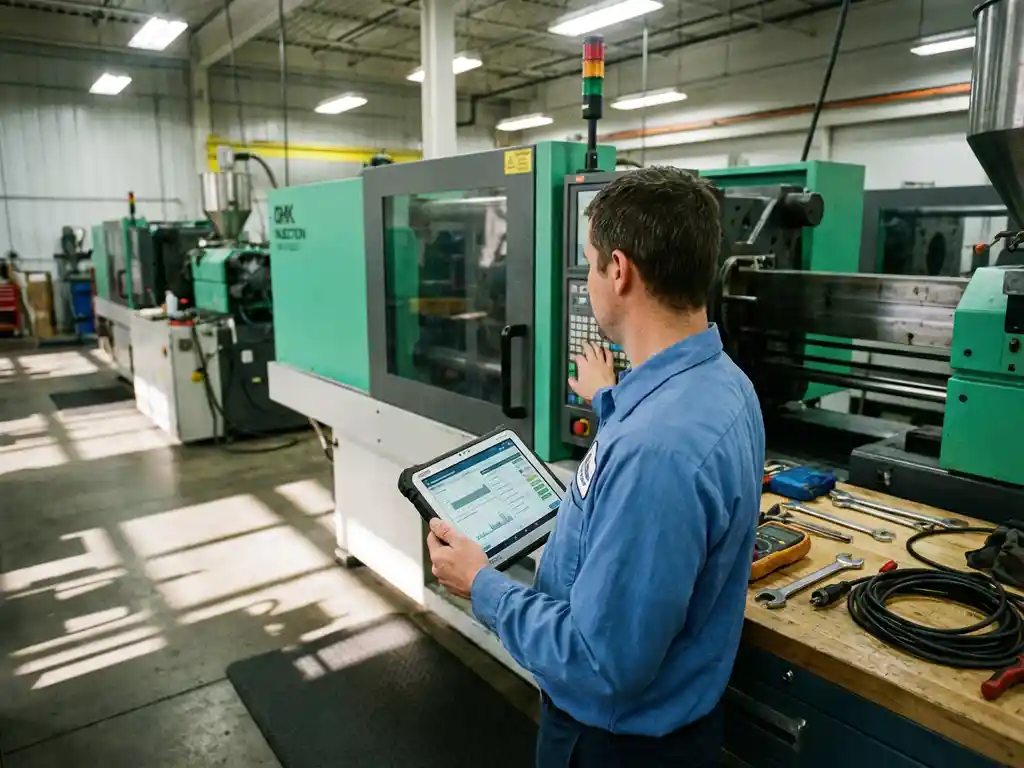
Injection molding equipment downtime analysis is the systematic process of tracking, measuring, and evaluating production interruptions to identify improvement opportunities. This analytical approach examines both planned and unplanned downtime events, helping manufacturers understand true equipment effectiveness and develop strategies for injection molding optimization. The analysis reveals patterns in equipment failures, changeover times, and operational inefficiencies that directly impact production costs and delivery schedules.
What is injection molding equipment downtime analysis?
Injection molding equipment downtime analysis involves systematically tracking and evaluating production interruptions, equipment failures, and non-productive time to identify improvement opportunities and optimize manufacturing efficiency. This comprehensive approach examines every moment when production equipment is not actively producing quality parts, categorizing these interruptions to understand their root causes and financial impact.
The analysis process begins with data collection from multiple sources, including machine monitoring systems, operator logs, and maintenance records. Production teams record when equipment stops, why it stopped, and how long repairs or adjustments take. This information creates a detailed picture of operational efficiency that goes beyond simple production counts.
Effective downtime analysis considers both the frequency and duration of interruptions. A machine that experiences frequent short stops may have different underlying issues than equipment that suffers occasional lengthy breakdowns. Understanding these patterns helps manufacturers prioritize improvement efforts and allocate resources where they will have the greatest impact on overall productivity.
What are the main types of downtime in injection molding operations?
Injection molding operations experience several distinct types of downtime, each with different causes and solutions. Planned downtime includes scheduled maintenance, mold changeovers, and setup activities that are necessary but reduce available production time. Unplanned downtime encompasses equipment breakdowns, material shortages, quality issues, and unexpected repairs that interrupt production schedules.
Mold changeover represents one of the largest planned downtime categories in injection molding. Traditional changeover processes can take several hours, during which expensive equipment sits idle while operators remove the current mold, install the new tooling, and complete setup procedures. This extended downtime directly impacts production flexibility and increases per-unit costs.
Equipment breakdowns fall into predictable categories, including hydraulic failures, heating system problems, and mechanical wear issues. Material-related downtime occurs when raw materials run out, contamination requires purging, or color changes necessitate extended setup times. Quality issues create downtime when defective parts trigger production stops for troubleshooting and adjustment.
How do you measure and track injection molding downtime effectively?
Effective downtime measurement combines automated monitoring systems with manual logging to capture comprehensive data about production interruptions. Modern injection molding machines often include built-in monitoring capabilities that automatically record cycle times, alarm conditions, and operational status. These systems provide accurate timestamps and duration measurements for most downtime events.
Key metrics for downtime analysis include Overall Equipment Effectiveness (OEE), which combines availability, performance, and quality measurements into a single efficiency indicator. Mean Time Between Failures (MTBF) tracks reliability trends, while Mean Time to Repair (MTTR) measures maintenance effectiveness. These metrics provide standardized benchmarks for comparing equipment performance and identifying improvement opportunities.
Manual logging remains important for capturing context that automated systems miss, such as root-cause details and corrective actions taken. Operators record specific failure modes, contributing factors, and repair procedures that help maintenance teams understand recurring problems. This combined approach creates a complete picture of downtime patterns and their underlying causes.
Why is mold changeover time a critical factor in downtime analysis?
Mold changeover represents significant planned downtime in injection molding because traditional changeover processes can consume 2-8 hours per change, during which expensive equipment generates no revenue. The frequency of changeovers multiplies this impact, particularly for manufacturers producing multiple products or smaller batch sizes that require frequent tooling changes.
Traditional changeover processes involve multiple time-consuming steps, including mold removal, transportation, installation, and setup validation. Each step requires skilled operators and specialized equipment, creating bottlenecks that extend downtime duration. The complexity increases with larger molds or products requiring precise setup parameters.
Modern quick mold change solutions address this challenge by reducing changeover time from hours to minutes through standardized connections, automated positioning systems, and simplified setup procedures. These systems eliminate many manual steps while ensuring consistent, repeatable mold installation. The dramatic reduction in changeover time improves production flexibility and reduces the per-unit cost impact of tooling changes.
What steps can manufacturers take to reduce injection molding downtime?
Manufacturers can implement several practical strategies to reduce both planned and unplanned downtime in injection molding operations. Preventive maintenance programs address equipment issues before they cause failures, using scheduled inspections, component replacement, and predictive monitoring to maintain optimal machine condition. Regular maintenance reduces unexpected breakdowns while extending equipment lifespan.
Operator training plays a crucial role in downtime reduction by ensuring personnel can quickly identify problems, perform routine adjustments, and execute changeover procedures efficiently. Well-trained operators recognize early warning signs of equipment issues and take corrective action before problems escalate into costly breakdowns.
Inventory management strategies maintain adequate supplies of critical spare parts, raw materials, and consumables to prevent shortage-related downtime. Quick changeover systems represent another significant opportunity, enabling manufacturers to reduce mold changeover time from hours to minutes through standardized connections and automated positioning equipment.
Process optimization involves analyzing production data to identify recurring issues and implement systematic improvements. This includes adjusting machine parameters to reduce cycle times, implementing quality control measures to prevent defect-related stops, and streamlining workflow to eliminate unnecessary delays. The combination of these strategies creates a comprehensive approach to downtime reduction that addresses both immediate problems and long-term operational efficiency.
How EAS Change Systems helps with injection molding downtime optimization
EAS Change Systems provides comprehensive solutions for manufacturers struggling with excessive downtime from mold changeovers and equipment inefficiencies. Our quick mold change systems transform traditional changeover processes that consume hours into streamlined operations completed in minutes, dramatically improving production availability and operational efficiency. We help manufacturers implement:
- Automated quick mold change systems that reduce changeover time by up to 95%
- Standardized mold connections and positioning systems for consistent, repeatable setups
- Comprehensive operator training programs for efficient changeover execution
- Data monitoring solutions to track downtime improvements and ROI
- Ongoing technical support to optimize system performance
Ready to eliminate changeover downtime and boost your injection molding productivity? Contact EAS Change Systems today to schedule a consultation and discover how our proven solutions can transform your manufacturing operations.