

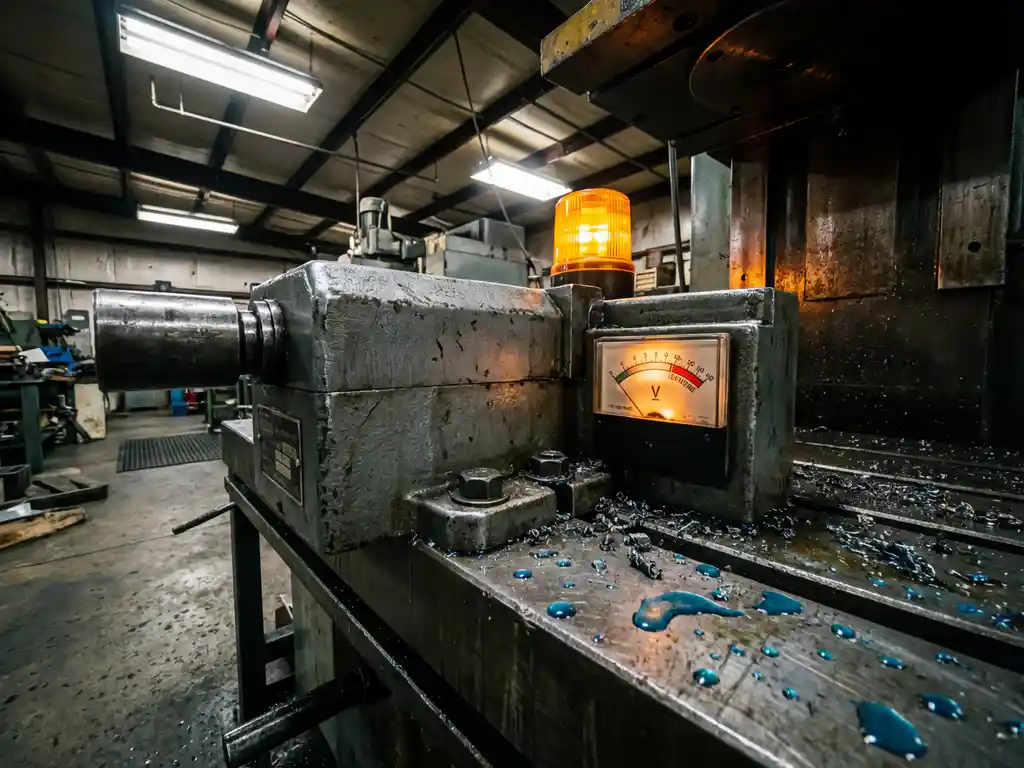
Magnetic clamping systems have become essential components in modern manufacturing, particularly in metal stamping and die-change operations. These systems use powerful magnetic forces to secure workpieces, dies, and tooling during production processes. However, their performance can be significantly affected by various environmental conditions that production supervisors and plant managers need to understand and manage effectively.
Understanding how environmental factors impact magnetic clamping systems is crucial for maintaining consistent performance, ensuring workplace safety, and maximizing equipment longevity. From temperature fluctuations to contamination issues, several conditions can either enhance or diminish the effectiveness of these critical manufacturing tools.
What Environmental Conditions Affect Magnetic Clamping Systems?
Several environmental conditions directly impact magnetic clamping system performance, including temperature variations, humidity levels, contamination from metal particles and debris, vibration, electrical interference, and atmospheric pressure changes. These factors can reduce clamping force, cause system failures, or lead to inconsistent holding power during production operations.
Temperature represents the most significant environmental challenge for magnetic clamping systems. Extreme heat can cause permanent magnet degradation, while cold temperatures may temporarily reduce magnetic field strength. Manufacturing environments often experience wide temperature swings due to heating processes, seasonal changes, or inadequate climate control.
Contamination poses another major concern, particularly in metal stamping operations where iron filings, oil mist, and cutting fluids are common. These contaminants can interfere with magnetic field distribution, create uneven clamping forces, or cause premature wear of system components. Additionally, humidity can accelerate corrosion of magnetic components, especially in coastal or tropical manufacturing locations.
Vibration from heavy machinery, electrical interference from welding equipment or motors, and even altitude changes in facilities located at different elevations can all influence magnetic system performance. Understanding these factors helps production teams implement appropriate protective measures and maintenance schedules.
How Does Temperature Impact Magnetic Clamping Force?
Temperature changes directly affect magnetic clamping force by altering the magnetic properties of permanent magnets and electromagnetic coils. High temperatures above 80°C (176°F) can cause an irreversible loss of magnetic strength, while temperatures below 0°C (32°F) may temporarily reduce clamping force by 10–15% until the system returns to its normal operating temperature.
Permanent magnets used in clamping systems have specific temperature coefficients that determine how their magnetic strength changes with temperature. Most rare-earth magnets lose approximately 0.1% to 0.2% of their strength for every degree Celsius increase in temperature. This means a 50°C temperature rise could result in a 5–10% reduction in clamping force, potentially compromising workpiece security during critical operations.
Electromagnetic clamping systems face different temperature challenges. As coil temperatures increase, electrical resistance rises, reducing current flow and magnetic field strength. Conversely, coils may become more efficient at lower temperatures, but the risk of condensation increases. Production facilities must maintain optimal operating temperatures between 15°C and 40°C (59°F to 104°F) for consistent magnetic performance.
Heat buildup from continuous operation, nearby furnaces, or welding activities can create localized hot spots that affect system performance. Implementing proper ventilation, heat shields, and temperature monitoring helps maintain stable operating conditions for magnetic clamping systems.
What Happens When Magnetic Clamps Get Contaminated?
Contamination of magnetic clamps creates uneven magnetic field distribution, reduces effective clamping force, and can cause complete system failure. Metal particles, oil, cutting fluids, and debris interfere with the magnetic circuit by creating air gaps between the magnet and the workpiece, potentially reducing holding power by 30–50% or more, depending on contamination severity.
Iron filings and ferrous debris are particularly problematic because they become magnetized and stick to clamping surfaces. This creates an uneven interface that prevents proper contact between the magnetic system and the workpiece. Even small particles can significantly impact performance, as magnetic force decreases exponentially as the air-gap distance increases.
Oil and cutting-fluid contamination presents different challenges. These substances do not interfere with magnetic fields directly, but they create slippery surfaces that reduce friction and can cause workpieces to slip even when magnetic force remains strong. Additionally, oil can trap other contaminants, creating a compound problem that is difficult to clean.
Coolant and moisture contamination can lead to corrosion of magnetic components, particularly in systems with exposed iron or steel elements. Corrosion causes permanent damage that reduces magnetic efficiency and may require component replacement. Regular cleaning protocols and proper system sealing help prevent contamination-related performance degradation.
How Do You Protect Magnetic Systems From Environmental Damage?
Protecting magnetic systems from environmental damage requires implementing comprehensive environmental controls, regular maintenance schedules, proper system sealing, and contamination-prevention measures. Key protection strategies include temperature monitoring, protective enclosures, regular cleaning protocols, and using appropriate system materials rated for specific environmental conditions.
Temperature control represents the first line of defense. Installing temperature sensors, ventilation systems, and heat shields helps maintain optimal operating conditions. For systems operating in extreme temperatures, selecting magnets with appropriate temperature ratings and implementing heating or cooling systems ensures consistent performance.
Contamination protection involves multiple approaches. Sealed magnetic systems with appropriate IP ratings prevent the ingress of particles and fluids. Regular cleaning schedules using appropriate solvents and techniques remove accumulated contaminants before they impact performance. Installing filtration systems and controlling airflow patterns in the work area reduces contamination at the source.
Proper system selection also plays a crucial role in environmental protection. Choosing magnetic systems with corrosion-resistant coatings, appropriate sealing levels, and materials suited to specific environmental conditions prevents many damage issues. Stainless steel housings, protective coatings, and sealed electrical connections all contribute to long-term system reliability.
Implementing preventive maintenance programs that include regular inspection, cleaning, and performance testing helps identify environmental damage before it causes system failure. Documentation of environmental conditions and system performance creates valuable data for optimizing protection strategies and predicting maintenance needs.
How EAS Change Systems Helps Improve Magnetic Clamping System Performance
At EAS Change Systems, we provide comprehensive solutions for maintaining optimal magnetic clamping system performance in challenging manufacturing environments. Our quick die change systems incorporate advanced magnetic technologies designed to withstand harsh industrial conditions while delivering consistent, reliable clamping force for metal stamping operations across various applications.
Our environmental protection solutions include:
- Temperature-resistant magnetic components rated for extreme manufacturing conditions
- Sealed system designs that prevent contamination ingress and maintain performance
- Corrosion-resistant materials and protective coatings for long-term durability
- Comprehensive maintenance protocols and training for optimal system care
- Custom engineering solutions tailored to specific environmental challenges
With over 35 years of experience in industrial automation, we understand the critical importance of reliable magnetic clamping in metal stamping operations. Our SMED-based quick die change solutions help production supervisors minimize downtime while maintaining the highest safety standards, even in demanding environmental conditions. Contact us today to learn how our magnetic clamping solutions can improve your production efficiency and reduce setup times.