

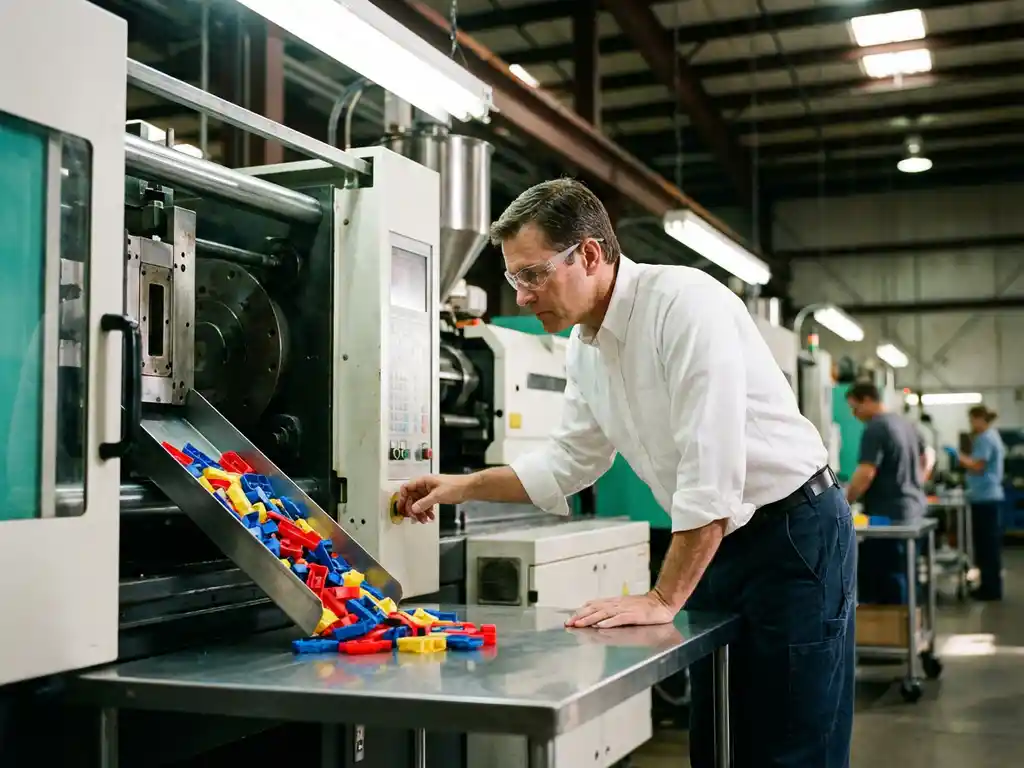
Injection molding offers diverse career advancement opportunities, from entry-level machine operators to senior management positions. The industry provides clear progression paths through technical expertise, leadership development, and specialized certifications. Career growth depends on mastering process optimization, quality control, and emerging automation technologies that are reshaping manufacturing operations.
What are the main career levels in injection molding manufacturing?
Injection molding manufacturing follows a structured hierarchy with distinct career levels and responsibilities. Machine operators form the foundation, running production equipment and monitoring basic quality parameters. Technicians advance to troubleshooting complex issues, performing preventive maintenance, and supporting process improvements.
Production supervisors oversee daily operations, manage teams, and coordinate with other departments to meet production targets. They handle scheduling, quality assurance, and safety compliance while developing their teams’ technical skills.
Process engineers focus on injection molding optimization, developing new products, and implementing efficiency improvements. They analyze data, solve technical challenges, and work with design teams to enhance manufacturing processes.
Plant managers represent the senior level and are responsible for overall facility operations, budget management, strategic planning, and cross-functional leadership. They drive continuous improvement initiatives and ensure operational excellence across all manufacturing areas.
How do you advance from machine operator to production supervisor?
Advancing from machine operator to production supervisor requires developing both technical expertise and leadership capabilities, typically over three to five years. Technical proficiency in injection molding processes, quality systems, and troubleshooting forms the foundation for supervisory roles.
Start by mastering your current role completely, then volunteer for additional responsibilities, such as training new operators or leading small improvement projects. Pursue safety certifications, lean manufacturing training, and communication skills development through company programs or external courses.
Demonstrate leadership potential by mentoring colleagues, participating in problem-solving teams, and showing initiative in process improvements. Many companies offer internal leadership development programs that prepare high-performing operators for supervisory positions.
Build relationships across departments to understand how injection molding operations connect with quality, maintenance, and planning functions. This broader perspective proves essential when managing production teams and coordinating with other supervisors.
What skills are most important for injection molding career growth?
Technical competencies in process control, quality management, and troubleshooting drive career advancement in injection molding. Process optimization skills, including understanding material properties, machine settings, and cycle time reduction, create significant value for employers and accelerate promotion opportunities.
Quality control expertise encompasses statistical process control, defect analysis, and continuous improvement methodologies. These skills become increasingly important as you advance into supervisory and engineering roles, where quality metrics directly impact business performance.
Soft skills are equally crucial for career progression. Team leadership, effective communication, and problem-solving abilities enable you to manage people, coordinate projects, and drive operational improvements. These capabilities distinguish high-potential employees from technically competent operators.
Data analysis and computer literacy support modern injection molding operations. Understanding production software, interpreting performance metrics, and using digital tools for process monitoring align with industry trends toward data-driven manufacturing decisions.
Which certifications can accelerate your injection molding career?
Professional certifications enhance career prospects by demonstrating commitment to excellence and specialized knowledge. Lean manufacturing certifications, such as Six Sigma Green Belt or Yellow Belt, provide valuable process improvement skills that employers highly value across all injection molding roles.
Safety certifications, including OSHA training, lockout/tagout procedures, and hazardous material handling, create advancement opportunities, particularly into supervisory positions where safety compliance becomes a primary responsibility.
Industry-specific training through organizations like the Society of Plastics Engineers (SPE) offers injection molding fundamentals, advanced processing techniques, and materials science knowledge that supports technical career growth.
Project management certifications help you transition into engineering and management roles, where coordinating complex initiatives, managing timelines, and leading cross-functional teams become essential job requirements. These credentials demonstrate readiness for increased responsibility and strategic thinking capabilities.
How does automation technology impact injection molding career paths?
Automation technology is transforming injection molding careers by creating new opportunities while evolving traditional roles. Advanced systems, including robotics, quick mold change solutions, and integrated quality monitoring, require operators and technicians with enhanced technical skills and programming knowledge.
Quick mold change technologies reduce setup times dramatically, requiring operators to understand automated clamping systems, robotic tool handling, and process optimization. These systems transform changeover procedures from hours to minutes, creating demand for skilled technicians who can operate and maintain sophisticated equipment.
Career opportunities are expanding into system programming, predictive maintenance, and process optimization roles that didn’t exist in traditional manufacturing. These positions combine injection molding knowledge with digital skills, offering higher compensation and advancement potential.
Automation creates upward career mobility by eliminating routine tasks and emphasizing problem-solving, system integration, and continuous improvement activities. Professionals who embrace these technologies position themselves for leadership roles in modern manufacturing environments that prioritize efficiency and innovation.
How EAS Change Systems Accelerates Your Injection Molding Career
EAS Change Systems provides cutting-edge quick mold change technology that creates new career opportunities and accelerates professional growth in injection molding manufacturing. Our advanced automation solutions position professionals at the forefront of industry innovation, offering specialized training and expertise that sets you apart in the job market.
Working with our systems provides distinct career advantages:
- Hands-on experience with industry-leading automation technology that employers actively seek
- Specialized training in quick mold change procedures that reduce setup times by up to 90%
- Technical expertise in robotic integration and process optimization that commands premium salaries
- Leadership opportunities managing advanced manufacturing systems and training teams
The injection molding industry rewards professionals who combine technical expertise with leadership capabilities and continuous learning. Whether advancing through operations, engineering, or management tracks, success depends on mastering core processes while adapting to technological innovations. Quick mold change systems and automation technologies continue reshaping career opportunities, creating exciting paths for motivated individuals ready to grow with the industry. Contact EAS Change Systems today to discover how our technology solutions can accelerate your career advancement in injection molding manufacturing.