

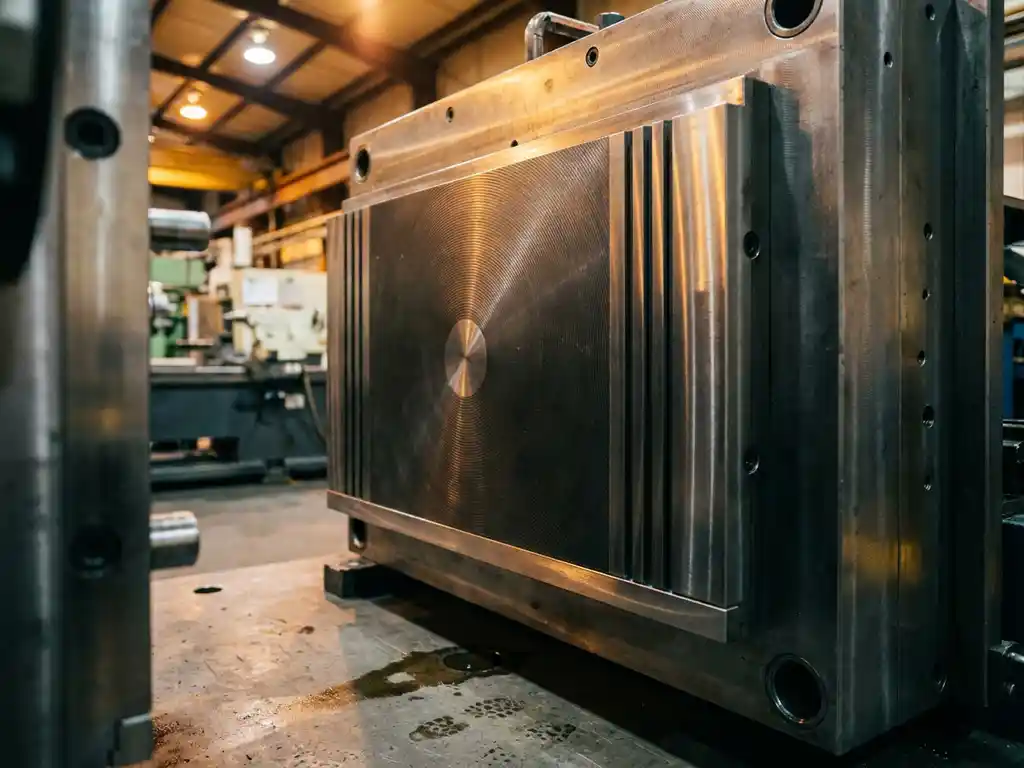
Electropermanent and permanent magnetic clamping systems both use magnetic force to secure molds to injection molding machines, but they differ fundamentally in how that force is controlled. Permanent magnetic systems generate a fixed magnetic field that holds the mold in place at all times, while electropermanent systems use a brief electrical pulse to switch the magnetic field on or off, giving operators active control over clamping and release. The right choice depends on your production environment, safety requirements, and how frequently you change molds.
How does each magnetic clamping technology actually work?
Permanent magnetic clamping systems rely on a fixed arrangement of permanent magnets embedded in the platen. The magnetic field is always active, meaning the mold is held continuously without any power input. To release the mold, an operator must mechanically overcome or redirect the magnetic force. Electropermanent magnetic clamping systems, by contrast, use a short electrical pulse to align or reverse the internal magnets, switching the clamping force on or off in seconds without requiring continuous power to maintain the hold.
Both technologies produce strong, even clamping force across the entire mold surface, which eliminates the pressure points and distortion that mechanical clamps can introduce. The key mechanical difference is that electropermanent magnets contain two types of magnetic material: one that can be reversed by a pulse and one that cannot. When the pulse aligns these materials, the combined field clamps the mold. When the pulse reverses one of them, the fields cancel out and the mold releases cleanly.
This architecture means electropermanent systems require electricity only during the switching moment, not during the hold phase. Once the mold is clamped, no power is needed to keep it secure. That distinguishes them from electromagnetic systems, which require continuous current to maintain clamping force and are therefore a separate category.
What happens to clamped molds during a power failure?
During a power failure, both permanent and electropermanent magnetic clamping systems retain their clamping force without interruption. Because neither technology requires continuous electrical power to hold a mold, a sudden loss of power does not cause the mold to release. This is one of the most significant safety advantages that magnetic clamping systems hold over hydraulic or pneumatic alternatives, which can lose pressure and release the mold when power is cut.
For permanent magnetic systems, the mold simply remains clamped indefinitely since the field is always present. For electropermanent systems, the last switching state is preserved. If the mold was clamped when the power failed, it stays clamped. If it was released, it stays released. The system only changes state when it receives the next electrical pulse, which requires a functioning power supply and a deliberate operator command.
This behavior makes both technologies well suited to environments where safety certification requires that a mold cannot drop or shift unexpectedly. Many facilities operating under strict machine safety standards specifically select magnetic clamping for this fail-safe characteristic. You can explore the full range of clamping applications we support to see how these safety principles apply across different industries and machine types.
Which clamping system delivers faster mold changes?
Electropermanent magnetic clamping systems generally deliver faster mold changes than permanent magnetic systems. The release and engagement of an electropermanent system are triggered by a single electrical pulse, taking only a few seconds. Permanent magnetic systems often require a mechanical assist or manual intervention to break the magnetic bond, which adds steps and time to the changeover process.
In practice, the speed difference becomes more significant as changeover frequency increases. Facilities running many mold changes per shift benefit considerably from the push-button simplicity of electropermanent switching. The mold change table or transport vehicle can be positioned, the pulse can be sent, and the mold can be moved within a very short cycle. Combined with other quick mold change components such as multi-coupler systems and die lifters, electropermanent clamping can reduce total changeover time from hours to minutes.
Permanent magnetic systems can still support fast mold changes in setups where the release mechanism is well integrated into the workflow, but they typically require more physical effort and slightly more time per cycle than their electropermanent counterparts.
What are the maintenance and operating cost differences?
Permanent magnetic clamping systems have lower operating costs and simpler maintenance requirements because they have no active electronic components involved in maintaining the hold. There are no coils, control units, or switching circuits to service during normal operation. The magnets themselves are durable and do not degrade significantly over time under normal industrial conditions.
Electropermanent systems introduce a control unit and switching electronics, which add a layer of complexity and potential maintenance requirements. However, because the electrical pulse is brief and the system draws no power during the hold phase, energy consumption remains low. The control electronics are generally reliable and designed for industrial environments, but they represent an additional component that permanent systems simply do not have.
From a total cost perspective, the faster cycle times and reduced labor associated with electropermanent systems often offset their higher initial investment and slightly more involved maintenance. Facilities with high changeover frequency typically recover the cost difference through productivity gains within a manageable timeframe. For lower-frequency applications, the simpler and lower-cost permanent magnetic option may deliver better overall value.
When should you choose electropermanent over permanent magnetic clamping?
Electropermanent magnetic clamping is the better choice when your operation demands frequent mold changes, push-button control, and integration with automated or semi-automated changeover systems. If your production line runs multiple mold changes per shift, or if you are working toward single-minute exchange of molds, the speed and ease of electropermanent switching provide a meaningful operational advantage over permanent magnetic alternatives. Browsing our full product range can help you identify which specific system aligns with your machine type and production goals.
Permanent magnetic clamping is a strong fit for operations where mold changes are infrequent, budgets are tighter, or simplicity of the clamping system itself is a priority. It is also well suited to environments where the release mechanism can be built into a straightforward manual or semi-manual process without creating a bottleneck.
Key factors to weigh when making the decision include:
- Changeover frequency: High-frequency operations benefit most from electropermanent switching speed
- Automation level: Electropermanent systems integrate more naturally with automated mold change sequences
- Mold variety: Facilities running many different mold sizes gain more from the flexibility of electropermanent control
- Budget and ROI horizon: Permanent magnetic systems have lower upfront costs; electropermanent systems often deliver faster ROI through productivity gains
- Safety requirements: Both retain clamping force during power failure, so safety performance is comparable
How EAS Change Systems helps with magnetic clamping
We at EAS Change Systems have been developing and supplying advanced magnetic clamping solutions since 1985, and we understand that no two production environments are identical. Whether your application calls for electropermanent or permanent magnetic technology, we offer purpose-built solutions designed to reduce mold change times, improve safety, and lower your total cost of ownership.
Our clamping portfolio is built to cover a wide range of applications and machine types, including:
- Magnetic Pressmag LP and SP systems for securing molds using magnetic technology on injection molding machines
- Adaptive clamping systems designed for integration into both new and existing equipment
- Hydraulic clamping alternatives (MOD, ELY, and HECS) for applications where hydraulic force is preferred
- Complete turnkey quick mold change systems that combine clamping with mold transport, coupler systems, and project management
- ROI calculations and application engineering to help you choose the right magnetic clamping system for your specific production setup
If you are evaluating magnetic clamping systems for your facility and want guidance on which technology fits your changeover goals and budget, get in touch with our team. We will help you assess your current setup, identify the right solution, and calculate the return on investment before you commit.