
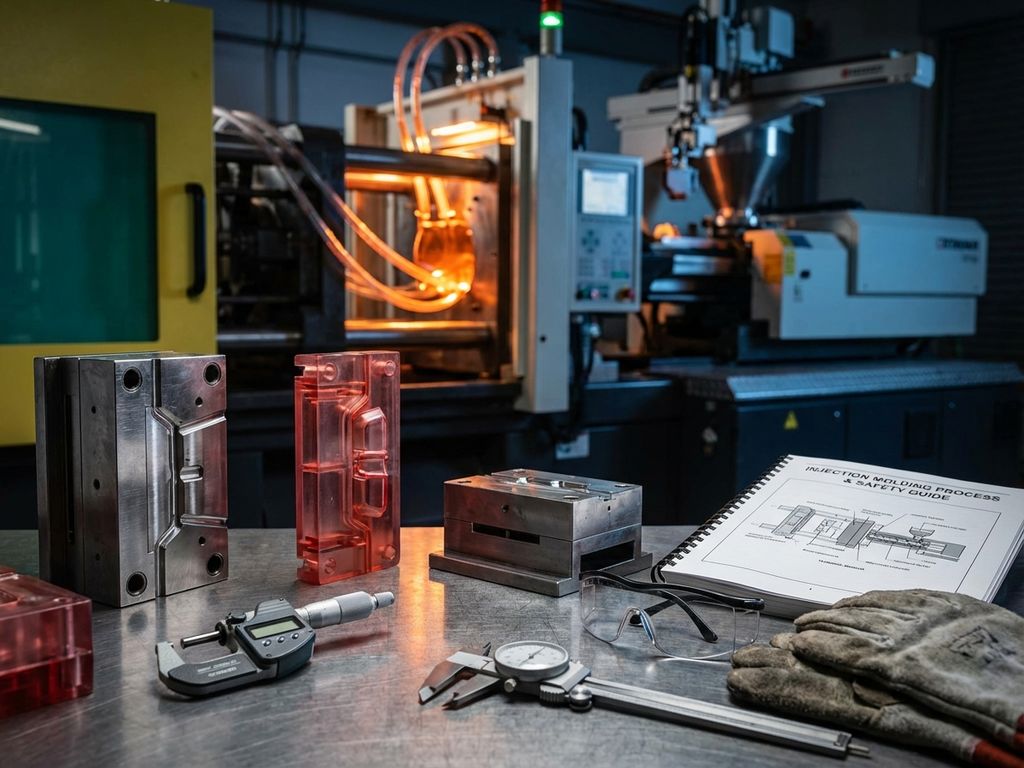
Injection molding training requirements vary by role and company, but typically include safety protocols, machine operation, quality control, and material handling procedures. New operators need 2–4 weeks of supervised training, while advanced technicians require several months to master complex systems. Modern quick-change technologies are creating new training needs focused on efficiency and automation.
What are the basic injection molding training requirements for new operators?
New injection molding operators must complete safety training, basic machine operation, quality inspection procedures, and material handling protocols before working independently. Most programs require 80–120 hours of supervised instruction covering workplace safety, emergency procedures, and fundamental molding processes.
Essential training components include understanding plastic material properties, temperature control systems, pressure settings, and cycle timing. Operators learn to identify common defects like flash, short shots, and warpage while developing skills in basic troubleshooting and preventive maintenance.
Hands-on training covers machine startup and shutdown procedures, mold inspection, material preparation, and documentation requirements. New operators practice under supervision until they demonstrate competency in standard operating procedures and can maintain consistent quality standards throughout their shifts.
Which certifications are most valuable for injection molding professionals?
The most recognized certifications include Society of Plastics Engineers (SPE) credentials, Plastics Industry Association programs, and manufacturer-specific training certificates. Professional certifications in lean manufacturing, Six Sigma, and automation technologies add significant value to injection molding careers.
Technical certifications focus on specific areas like scientific molding, advanced troubleshooting, and process optimization. These programs typically require 40–80 hours of coursework plus practical examinations demonstrating competency in complex molding scenarios.
Safety certifications remain mandatory in most facilities, including lockout/tagout procedures, hazardous material handling, and emergency response training. Many employers prefer candidates with multiple certifications, demonstrating commitment to professional development and industry best practices.
How long does it take to become proficient in injection molding operations?
Basic proficiency in injection molding operations typically takes 6–12 months of regular practice after initial training. Advanced expertise requiring independent troubleshooting and process optimization usually develops over 2–3 years of diverse experience across different materials and applications.
The learning timeline depends on the complexity of operations, the variety of materials processed, and the frequency of mold changes. Operators working with simple parts and stable processes may achieve competency faster than those handling complex multi-cavity molds or frequent product changeovers.
Continuous learning remains essential as technology evolves and new materials enter the market. Experienced operators often specialize in specific areas like scientific molding, automation systems, or particular industries requiring unique expertise and ongoing professional development.
What specific skills do injection molding technicians need to master?
Injection molding technicians must master process parameter adjustment, systematic troubleshooting, preventive maintenance, and quality control procedures. Advanced skills include statistical process control, root cause analysis, and optimization techniques for complex molding challenges.
Technical competencies encompass understanding polymer science, mold design principles, and machine hydraulic or electric systems. Technicians develop expertise in process validation, documentation procedures, and regulatory compliance requirements specific to their industry applications.
Problem-solving abilities are crucial for diagnosing defects, optimizing cycle times, and implementing corrective actions. Modern technicians also need familiarity with data collection systems, predictive maintenance technologies, and automation interfaces that enhance operational efficiency.
How do quick mold change systems impact training requirements?
Quick mold change systems require specialized training in automated clamping procedures, safety protocols, and system maintenance that differs significantly from traditional manual changeover methods. Operators need 20–40 hours of specific instruction to safely and efficiently operate these advanced systems.
Training focuses on understanding hydraulic or magnetic clamping systems, automated positioning equipment, and integrated safety features. Operators learn proper connection procedures for cooling lines, ejector systems, and electrical components through standardized coupling systems.
Advanced training covers system troubleshooting, preventive maintenance schedules, and optimization techniques for minimizing changeover times. This specialized knowledge enables operators to achieve changeover times of minutes rather than hours while maintaining safety and quality standards.
How EAS change systems help with injection molding training
EAS change systems simplify injection molding training by providing standardized, user-friendly quick-change solutions that reduce complexity and learning time for operators. Our comprehensive training programs ensure teams can safely and efficiently operate advanced changeover systems.
- Structured training modules covering safety protocols, system operation, and maintenance procedures
- Hands-on instruction with experienced engineers during system installation and commissioning
- Comprehensive documentation and operating manuals tailored to specific applications
- Ongoing technical support and refresher training to maintain operational excellence
- ROI calculations demonstrating training investment returns through reduced changeover times
Our training approach focuses on building competency quickly while ensuring safety remains the top priority. Contact us to learn how our training programs can enhance your team’s capabilities and operational efficiency.