

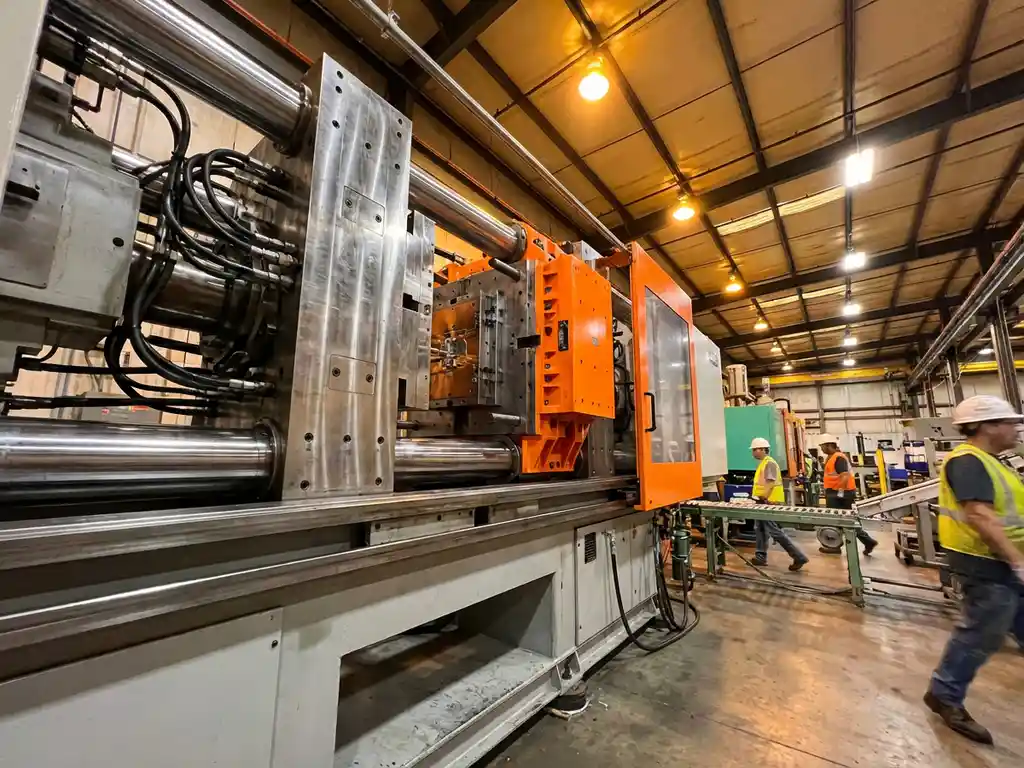
Seasonal production peaks present one of manufacturing’s greatest challenges, forcing companies to balance increased demand with operational efficiency. During these critical periods, every minute of downtime translates directly into lost revenue, missed deadlines, and frustrated customers. The pressure to maintain continuous production while switching between different products or configurations can overwhelm even the most prepared facilities.
Smart manufacturers recognize that reducing production downtime isn’t just about working faster—it’s about working smarter through strategic equipment choices and process optimization. Understanding the root causes of seasonal downtime and implementing targeted solutions can transform these challenging periods from operational nightmares into competitive advantages.
What Causes the Most Downtime During Seasonal Production Peaks?
Tool changeovers represent the single largest source of downtime during seasonal production peaks, often accounting for 60–80% of total production delays. Traditional mold and die changes can take 2–8 hours per changeover, creating significant bottlenecks when manufacturers need to switch rapidly between seasonal products or adjust production volumes.
Equipment failures intensify during peak seasons due to increased operating hours and accelerated wear. Machines running at maximum capacity on extended shifts experience higher stress levels, leading to unexpected breakdowns at the worst possible times. The combination of rushed operations and deferred maintenance from earlier periods creates a perfect storm for mechanical failures.
Labor shortages compound these challenges significantly. Peak seasons often require additional skilled technicians for changeovers and maintenance, but experienced personnel may not be readily available. Inexperienced operators take longer to complete tool changes and are more prone to errors that extend downtime further. Training new staff during busy periods is nearly impossible, creating a cycle of inefficiency.
Supply chain disruptions also contribute to extended downtime. Rush orders for replacement parts, emergency tooling modifications, and last-minute product specification changes all require additional setup time that wasn’t built into production schedules.
How Do Quick Mold Change Systems Reduce Seasonal Downtime?
Quick mold change systems reduce seasonal downtime by cutting changeover times from hours to minutes through automated clamping and standardized connection systems. These systems eliminate the need for manual bolt tightening and complex alignment procedures that traditionally consume most of the changeover time.
The primary mechanism involves magnetic or hydraulic clamping plates that secure molds instantly at the push of a button. Standardized coupler systems automatically connect cooling lines, ejector pins, and electrical connections simultaneously, eliminating the tedious process of making individual connections manually.
Pre-positioning capabilities further accelerate the process by allowing operators to prepare the next mold while the current production run continues. Mold change tables and transportation systems move heavy tooling safely and efficiently, reducing both changeover time and the risk of damage or injury.
These systems also improve consistency and reduce errors. Standardized procedures eliminate the variability that comes with manual changeovers, where different operators may use slightly different approaches. This consistency translates into more predictable changeover times and fewer quality issues when production resumes.
What’s the Difference Between QMC and QDC Solutions for Peak Production?
Quick Mold Change (QMC) systems focus specifically on plastic injection molding applications, while Quick Die Change (QDC) solutions target metal stamping, pressing, and die-casting operations. Both systems share the same core principle of rapid tool changeover but differ in their specific design requirements and applications.
QMC systems must handle the unique demands of injection molding, including cooling line connections, ejector systems, and the precise alignment required for plastic part quality. These systems typically incorporate specialized couplers for water, air, and electrical connections that are standard in injection molding operations. The clamping forces and positioning accuracy reflect the specific requirements of plastic-processing equipment.
QDC solutions address the heavier tooling and higher forces common in metal-forming operations. Dies used in stamping and pressing applications often weigh significantly more than injection molds and require different handling approaches. The clamping systems must withstand the extreme forces generated during metal-forming processes while still enabling rapid changeovers.
Both systems deliver similar time savings, reducing changeovers from hours to minutes, but the mechanical specifications and auxiliary connections differ based on the manufacturing process. The choice between QMC and QDC depends entirely on your production equipment and the types of parts you manufacture.
How Do You Prepare Your Production Line for Seasonal Demand Spikes?
Preparing your production line for seasonal demand spikes requires systematic planning that begins months before peak season arrives. Start by analyzing historical data to identify changeover patterns, bottlenecks, and equipment stress points from previous peak periods.
Implement preventive maintenance schedules well in advance of peak season. Replace worn components, update software, and calibrate equipment when you have time for thorough testing. Create detailed maintenance checklists specific to high-volume operating periods, and ensure your spare-parts inventory covers critical components that commonly fail under increased stress.
Standardize your tooling and changeover procedures across all shifts and operators. Document step-by-step processes with visual aids and conduct training sessions during slower periods. Cross-train multiple operators on each piece of equipment to prevent single points of failure when key personnel are unavailable.
Optimize your production scheduling by grouping similar products together to minimize changeovers. Plan your most complex or time-sensitive changeovers during scheduled maintenance windows rather than during peak production hours. Consider implementing quick-change systems for your most frequent tool changes to dramatically reduce transition times.
Establish clear communication protocols between shifts to ensure smooth handoffs and prevent information gaps that can lead to delays or quality issues.
What ROI Can Manufacturers Expect from Downtime Reduction Systems?
Manufacturers typically see ROI from downtime reduction systems within 6–18 months, with annual savings ranging from 15–40% of total changeover-related costs. The exact return depends on your current changeover frequency, existing downtime duration, and labor costs in your specific market.
Direct labor savings represent the most immediate benefit. If your facility performs 10 changeovers per week and reduces each changeover from 4 hours to 30 minutes, you save 35 labor hours per week. At $50 per hour, including benefits, that equals $91,000 in annual labor savings alone.
Production capacity gains often exceed labor savings in value. Those same time savings translate into additional production hours that can fulfill more orders or reduce overtime requirements. During peak seasons, this additional capacity becomes even more valuable, as manufacturers can meet demand without expanding facilities or adding equipment.
Quality improvements contribute significantly to ROI through reduced scrap rates and rework costs. Standardized changeover procedures minimize setup errors that lead to defective parts, while faster changeovers reduce the temptation to extend production runs beyond optimal quality windows.
Reduced maintenance costs emerge over time as equipment experiences less stress from extended changeovers and manual handling. Quick-change systems also improve workplace safety, potentially reducing insurance costs and helping avoid costly workplace injuries.
How EAS Change Systems Helps with Production Downtime Reduction
We provide comprehensive quick mold change and quick die change solutions that transform seasonal production challenges into competitive advantages. Our systems reduce changeover times from hours to minutes while improving safety and consistency across your entire operation.
Our complete solution portfolio includes:
- Adaptive clamping systems that secure molds and dies instantly without manual bolting
- Multi-coupler systems that connect all utilities simultaneously with a single action
- Mold change tables and transportation vehicles for safe, efficient tool handling
- Custom engineering and ROI calculations to optimize your specific application
- Comprehensive installation, training, and ongoing service support
With over 35 years of experience and installations across three continents, we understand the unique challenges of seasonal production peaks. Our engineering team works directly with your facility to design solutions that maximize uptime during your most critical periods. Contact us today to discuss how our quick-change systems can eliminate your seasonal downtime bottlenecks and boost your production capacity when you need it most.