

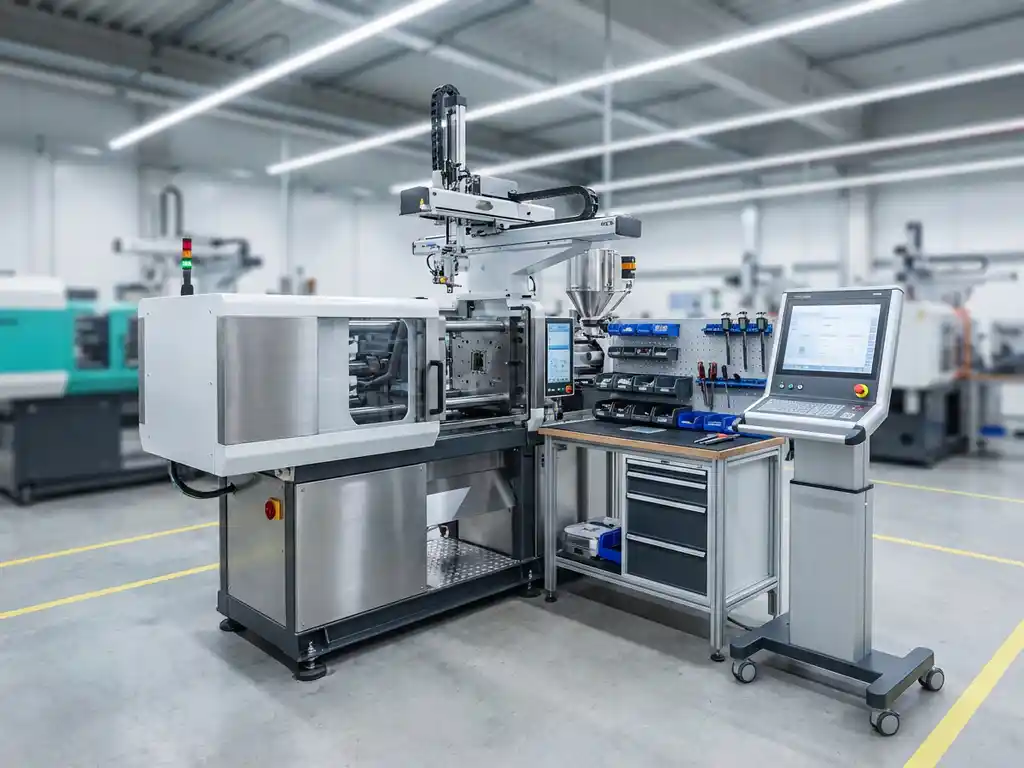
Designing efficient injection molding workstations requires careful consideration of layout, equipment placement, workflow patterns, and safety protocols. An effective workstation minimizes material-handling time, reduces changeover periods, and ensures operator safety while maximizing production throughput. The key lies in creating a logical flow that supports both routine operations and quick transitions between different molding tasks.
What makes an injection molding workstation truly efficient?
An efficient injection molding workstation combines optimized layout design, strategic equipment positioning, streamlined workflow patterns, and ergonomic considerations that directly impact both productivity and operator safety. The workstation should minimize unnecessary movement while ensuring all essential tools and materials remain within easy reach.
Layout optimization forms the foundation of workstation efficiency. This involves positioning the injection molding machine as the central focal point, with supporting equipment arranged in a logical sequence that follows the natural production flow. Material storage areas should be located upstream of the machine, while finished-product collection points sit downstream.
Equipment positioning must account for maintenance access, safety clearances, and operational requirements. Auxiliary equipment such as material dryers, temperature controllers, and quality inspection tools needs strategic placement that supports workflow without creating bottlenecks. The arrangement should allow operators to monitor multiple processes simultaneously while maintaining clear sightlines across the entire workstation.
Workflow design considers the sequence of operations from material preparation through to finished-product handling. Efficient workstations eliminate crossover patterns where operators must backtrack or navigate around obstacles. This includes designing clear pathways for material movement, waste removal, and emergency evacuation routes.
How do you optimize the physical layout of an injection molding workstation?
Physical layout optimization involves strategic space planning that positions machines, storage areas, and work surfaces to minimize operator movement while maintaining safe working distances. The layout should follow a logical flow pattern that supports efficient material handling and reduces cycle times.
Machine positioning requires adequate clearance for mold changes, maintenance access, and safety zones. The injection molding machine should be positioned to allow clear access to both the feed hopper and the mold area. Consider the swing radius of any overhead cranes or lifting equipment used for mold handling.
Material flow paths need careful planning to prevent congestion and reduce handling time. Raw materials should flow from storage through preparation areas to the machine feed system without crossing finished-product pathways. This prevents contamination risks and reduces the likelihood of handling errors.
Storage solutions must balance accessibility with space efficiency. Frequently used items should be stored within arm’s reach of primary work positions. Less common tools and materials can be positioned further away but still within reasonable walking distance. Vertical storage systems can maximize space utilization while maintaining organization.
Work surface positioning should support various tasks, including quality inspection, documentation, and minor maintenance activities. These surfaces need adequate lighting and should be positioned to allow operators to maintain visual contact with the production process.
What equipment and tools are essential for an efficient injection molding workstation?
Essential equipment includes quick mold change systems, material-handling tools, quality control instruments, and safety devices that support streamlined operations while reducing setup times. The specific equipment selection depends on production requirements, part complexity, and changeover frequency.
Quick mold change systems significantly reduce setup times by eliminating the need for manual bolt tightening and alignment procedures. These systems use standardized clamping mechanisms that allow molds to be changed in minutes rather than hours. The investment in quick-change technology typically pays for itself through reduced downtime and increased production flexibility.
Material-handling equipment includes hoists, trolleys, and conveyor systems that reduce manual lifting and carrying. Overhead cranes or jib cranes facilitate safe mold handling, while material trolleys support efficient raw-material and finished-product movement. Automated material feed systems can eliminate manual loading tasks for high-volume production.
Quality control instruments should be readily accessible without disrupting production flow. This includes measuring tools, gauges, and inspection equipment positioned at dedicated quality stations. Digital measuring systems can provide faster, more accurate results than manual measurement methods.
Safety devices encompass emergency stops, light curtains, and protective barriers that prevent operator injury while maintaining production efficiency. Modern safety systems use sensors and interlocks that protect operators without unnecessarily slowing production processes.
How can you reduce setup and changeover times in injection molding workstations?
Reducing setup and changeover times involves implementing SMED principles (Single-Minute Exchange of Dies), standardizing procedures, and utilizing advanced tooling solutions that minimize downtime while maximizing production flexibility. The goal is to convert internal setup activities to external ones performed while the machine continues running.
SMED methodology focuses on analyzing current changeover procedures to identify time-saving opportunities. This involves distinguishing between internal activities (requiring machine stoppage) and external activities (performed while running). By converting internal tasks to external ones and streamlining the remaining internal activities, changeover times can be dramatically reduced.
Standardized procedures ensure consistency and eliminate decision-making delays during changeovers. Written procedures should specify the exact sequence of activities, required tools, and safety checkpoints. Visual aids such as color coding and position markers help operators quickly identify correct settings and positions.
Advanced tooling solutions include quick change systems that eliminate manual adjustments and reduce setup complexity. Standardized mold bases, quick-connect utilities, and preset positioning systems allow faster, more reliable changeovers with reduced skill requirements.
Pre-staging activities involve preparing the next mold and materials while current production continues. This includes preheating molds, preparing material, and positioning tools so changeover activities can proceed immediately when the current job finishes.
What safety considerations are crucial when designing injection molding workstations?
Crucial safety considerations include comprehensive hazard identification, ergonomic design principles, protective equipment requirements, and compliance with relevant safety standards that ensure operator well-being while maintaining operational efficiency. Safety must be integrated into the initial design rather than added as an afterthought.
Hazard identification involves recognizing potential risks, including hot surfaces, moving machinery, chemical exposure, and manual-handling injuries. Each identified hazard requires specific control measures ranging from engineering controls to personal protective equipment. Risk assessments should be updated whenever processes or equipment change.
Ergonomic design principles focus on reducing physical strain and repetitive-motion injuries. Work surfaces should be positioned at appropriate heights, with frequently used controls within comfortable reach. Anti-fatigue mats and adjustable platforms can reduce standing stress, while proper lighting prevents eye strain and errors.
Protective equipment requirements vary based on specific hazards but typically include safety glasses, heat-resistant gloves, and appropriate footwear. Equipment must be readily available and properly maintained. Training ensures operators understand when and how to use protective equipment correctly.
Compliance standards provide frameworks for safe workstation design and operation. These include machinery safety standards, electrical codes, and occupational health regulations. Regular safety audits help identify compliance gaps and improvement opportunities while demonstrating commitment to operator welfare.
Emergency procedures must be clearly defined and regularly practiced. This includes evacuation routes, emergency-stop procedures, and first-aid protocols. Emergency equipment such as fire extinguishers and first-aid kits should be strategically positioned and regularly inspected.
How EAS Change Systems helps with injection molding workstation efficiency
EAS Change Systems provides comprehensive solutions for optimizing injection molding workstation efficiency through advanced quick-change technology and expert consultation services. Our approach addresses the complete workstation ecosystem to maximize productivity while reducing operational costs. Key benefits include:
- Quick mold change systems that reduce setup times from hours to minutes
- Standardized tooling solutions that eliminate manual adjustments and reduce changeover complexity
- Ergonomic workstation design consultation that improves safety and operator efficiency
- Custom workflow optimization services tailored to your specific production requirements
- Comprehensive training programs that ensure proper implementation and ongoing success
Ready to transform your injection molding workstation efficiency? Contact EAS Change Systems today to schedule a consultation and discover how our proven solutions can reduce your changeover times, improve productivity, and enhance workplace safety.