

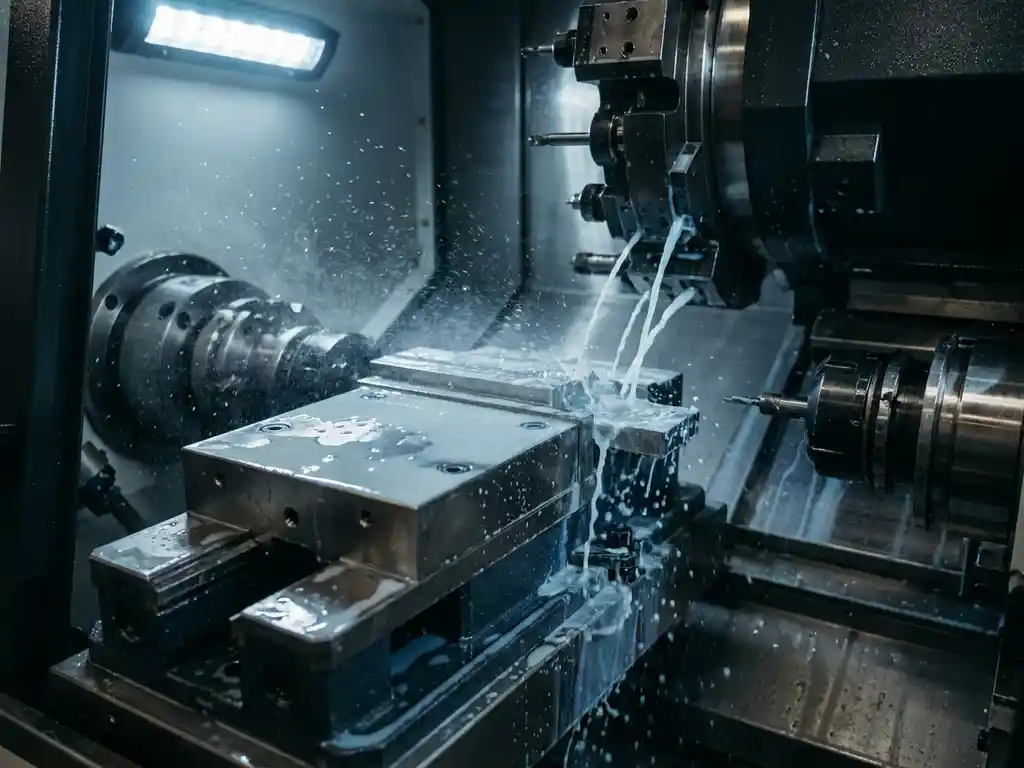
Magnetic clamping systems can be used in wet machining environments, but with important limitations. Standard magnetic clamps are not designed for direct coolant exposure, and moisture can compromise clamping force, trigger corrosion, and create safety risks. Specialized sealed or IP-rated magnetic systems exist for humid or wet conditions, but the right choice depends on your specific application.
How do magnetic clamping systems work on injection molding machines?
Magnetic clamping systems secure molds to the platens of an injection molding machine using controlled magnetic force. When activated, the system generates a powerful magnetic field that holds the mold firmly in place without mechanical fasteners. Deactivating the field releases the mold instantly, allowing for fast, repeatable tool changes.
The core technology relies on permanent magnets combined with electromagnets. In the active state, the magnetic poles align to produce strong clamping force across the platen surface. In the release state, the field is neutralized or reversed, reducing the holding force to near zero. This on/off control is what makes magnetic clamping so efficient for quick mold change applications.
Because the clamping force is distributed evenly across the mold’s mounting surface, magnetic systems reduce the risk of mold distortion compared to traditional bolt clamping. They also eliminate the time spent tightening and loosening individual clamps, which is one of the key reasons manufacturers adopt them to reduce setup times and increase machine availability. To learn more about how these systems are applied across industries, visit our applications page.
What happens to magnetic clamping force when coolant or water is present?
Water and coolant do not directly reduce the magnetic field itself, but they create conditions that degrade clamping performance over time. Moisture between the mold and the platen acts as a barrier, reducing the contact area through which magnetic force is transmitted. Even a thin film of coolant can meaningfully lower effective clamping strength.
Beyond the immediate contact issue, moisture accelerates corrosion on both the platen surface and the mold’s mounting face. Rust and surface oxidation increase the air gap between the two surfaces, which significantly weakens the magnetic bond. In permanent magnet systems, prolonged exposure to moisture can also cause demagnetization in certain magnet types over time.
The practical consequence is that a magnetic clamping system rated for a specific holding force under dry conditions may deliver considerably less force in a wet environment. This is not a theoretical risk but a real operational concern, particularly in processes where coolant spray reaches the clamping surfaces regularly.
Are there magnetic clamping systems rated for wet or coolant-heavy conditions?
Yes, magnetic clamping systems designed for wet or humid environments do exist. These systems feature sealed enclosures, corrosion-resistant materials, and surface treatments that protect the internal components from moisture ingress. Some carry IP (Ingress Protection) ratings that certify their resistance to water exposure at defined levels.
Key features to look for in a wet-rated magnetic clamping system include:
- Sealed platen surfaces that prevent coolant from penetrating internal magnet assemblies
- Stainless steel or coated housings resistant to corrosion from cutting fluids and coolants
- Hardened or ground contact faces that maintain flat, clean contact even in challenging environments
- IP65 or higher ratings for applications with direct coolant spray
It is worth noting that even rated systems require the mold and platen contact surfaces to be clean and free of coolant pooling at the moment of clamping. A sealed system protects the internal components, but it cannot compensate for a contaminated contact interface. Proper surface preparation before each clamp cycle remains essential regardless of the system’s environmental rating. You can explore our full range of clamping products to find systems suited to demanding environments.
What are the risks of using standard magnetic clamps in wet machining?
Using standard, non-sealed magnetic clamping systems in wet machining environments carries several serious risks. The most immediate is a reduction in clamping force due to moisture on the contact surface, which can lead to mold movement or ejection during the injection cycle. This creates both quality defects and significant safety hazards.
The longer-term risks compound over time:
- Corrosion of platen and mold surfaces increases the effective air gap, permanently reducing magnetic holding capacity
- Internal moisture ingress in unprotected housings can damage magnet assemblies and electrical components
- Electrical faults in electromagnet circuits exposed to conductive coolant, creating shock or short-circuit hazards
- Unpredictable clamping force that varies cycle to cycle depending on how much coolant is present
- Accelerated wear on sealing surfaces and mounting faces, shortening system lifespan
From a production standpoint, the inconsistency is often more damaging than a single failure event. When clamping force varies unpredictably, it becomes difficult to maintain process stability, which undermines the core benefit of a quick mold change system in the first place.
How should magnetic clamping systems be maintained in humid or wet conditions?
Magnetic clamping systems in humid or wet environments require more frequent and structured maintenance than those in dry conditions. The goal is to prevent moisture accumulation, catch corrosion early, and ensure contact surfaces remain clean and flat at all times.
A practical maintenance routine should include:
- Daily surface inspection: Check platen and mold contact faces for coolant residue, rust spots, or contamination before each mold change
- Regular surface cleaning: Wipe down contact surfaces with a clean, dry cloth or approved solvent to remove coolant films before clamping
- Periodic flatness checks: Measure platen surface flatness at scheduled intervals, as corrosion and wear can create uneven contact
- Seal and gasket inspection: On sealed systems, check housing seals for cracking or compression set that could allow moisture ingress
- Corrosion treatment: Apply appropriate anti-corrosion coatings or inhibitors to exposed metal surfaces according to the manufacturer’s recommendations
- Electrical system checks: Inspect wiring, connectors, and control units for moisture-related damage, particularly after any coolant overflow events
Keeping detailed maintenance records helps identify patterns, such as a specific area of the platen that consistently collects coolant, so corrective action can be taken before it affects clamping performance.
When should you choose hydraulic or mechanical clamping over magnetic systems?
Hydraulic or mechanical clamping is the better choice when the operating environment involves heavy, continuous coolant exposure that cannot be adequately managed with surface preparation and sealed magnetic systems. If coolant regularly floods the platen area or if the process makes it impractical to clean contact surfaces between cycles, magnetic clamping introduces too much variability.
Other situations where hydraulic or mechanical alternatives make more sense include:
- Very high clamping force requirements where the application exceeds the force range of available magnetic systems
- Non-ferromagnetic mold materials that do not respond to magnetic fields
- Extreme temperature environments where heat from the process could affect magnet performance
- Budget constraints on initial investment since sealed magnetic systems rated for wet conditions carry a higher upfront cost than standard mechanical clamps
Hydraulic clamping systems offer consistent, high clamping force that is not affected by surface contamination in the same way magnetic systems are. Mechanical clamps, while slower to operate, provide a physical lock that is independent of surface conditions entirely. The trade-off is setup time: neither matches the speed of magnetic clamping for frequent mold changes in dry or controlled environments.
The decision ultimately comes down to balancing cycle frequency, environmental conditions, and the cost of downtime against the investment in the appropriate system for your specific process.
How EAS Change Systems helps with magnetic and alternative clamping solutions
At EAS Change Systems, we understand that no two production environments are identical, and the right clamping solution depends on the full picture of your process, including whether moisture or coolant is a factor. We offer a comprehensive range of clamping technologies designed to match the demands of your specific application.
Our clamping portfolio includes:
- Pressmag LP and SP magnetic clamping systems that use magnetic technology to secure molds quickly and reliably on injection molding machines
- Hydraulic clamping systems (MOD, ELY, and HECS) for applications where environmental conditions or force requirements make hydraulic clamping the more appropriate choice
- Adaptive clamping systems designed for integration into both new and existing equipment, including OEM applications
- Application engineering support to assess your environment, mold weights, cycle frequencies, and coolant exposure before recommending a system
- ROI calculations to help you quantify the impact of the right clamping solution on setup time, machine availability, and overall production costs
Whether you are evaluating magnetic clamping for the first time or reconsidering your current setup in light of wet machining challenges, we are here to help you find a solution that works reliably in your real-world conditions. Contact us today to speak with one of our application engineers and get a recommendation tailored to your production environment.