

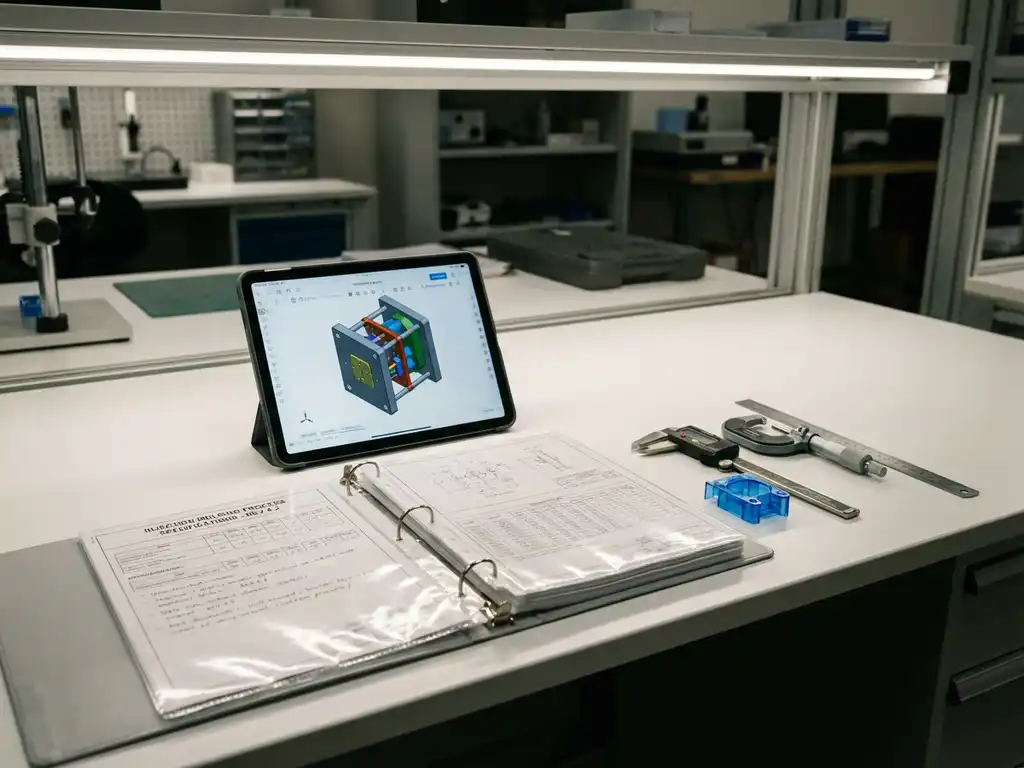
Injection molding documentation is the systematic recording of all processes, parameters, and procedures involved in plastic manufacturing operations. Proper documentation ensures consistent quality, regulatory compliance, and operational efficiency while reducing errors and supporting continuous improvement. Understanding documentation best practices helps manufacturers maintain a competitive advantage through reliable production processes and comprehensive record-keeping systems.
What is injection molding documentation, and why is it critical for manufacturing success?
Injection molding documentation encompasses all written records, procedures, and data collection systems that track manufacturing processes from material handling to final product inspection. This comprehensive system includes process parameters, quality control records, maintenance schedules, operator instructions, and safety protocols that ensure consistent production outcomes.
Documentation serves as the foundation for quality control by providing standardized procedures that operators can follow consistently. When every step is clearly documented, manufacturers reduce variability in their processes, leading to fewer defects and more predictable results. This consistency becomes particularly important when scaling production or training new staff members.
Regulatory compliance is another critical aspect of injection molding documentation. Many industries require detailed records for traceability, quality assurance, and safety verification. Proper documentation ensures manufacturers can demonstrate compliance during audits and quickly identify the sources of any quality issues that may arise.
The operational efficiency benefits of good documentation include faster troubleshooting, improved knowledge transfer, and better decision-making based on historical data. When problems occur, documented procedures help operators identify solutions quickly rather than relying on trial-and-error approaches.
What are the essential components that every injection molding documentation system should include?
A comprehensive injection molding documentation system requires six essential components: process parameters, material specifications, quality control records, maintenance logs, operator instructions, and safety protocols. Each component serves a specific purpose in maintaining manufacturing effectiveness and operational consistency.
Process parameters documentation includes all machine settings, temperature profiles, pressure specifications, cycle times, and environmental conditions. These records allow operators to replicate successful production runs and quickly identify when settings deviate from optimal ranges. Injection molding optimization relies heavily on accurate parameter documentation to maintain consistent results.
Material specifications cover supplier information, batch numbers, storage conditions, drying requirements, and material properties. This documentation ensures proper material handling and provides traceability when quality issues arise. Recording material lot numbers allows manufacturers to track specific batches through the entire production process.
Quality control records document inspection results, dimensional measurements, visual inspections, and testing data. These records demonstrate compliance with specifications and help identify trends that might indicate process drift or equipment wear.
Maintenance logs track scheduled maintenance, repairs, calibration records, and equipment performance data. Regular maintenance documentation helps prevent unexpected downtime and ensures equipment operates within specified parameters.
Operator instructions provide step-by-step procedures for setup, operation, changeover, and shutdown processes. Clear instructions reduce variability between different operators and ensure consistent execution of critical procedures.
How do you create effective standard operating procedures for injection molding processes?
Effective standard operating procedures (SOPs) begin with clear, step-by-step instructions written in simple language that operators can easily understand and follow. The best SOPs combine written instructions with visual aids such as diagrams, photographs, and flowcharts to eliminate ambiguity and reduce training time.
Start by breaking down complex processes into logical sequences with specific actions, expected outcomes, and decision points. Each step should include the required tools, materials, and safety considerations. Use the active voice and specific measurements rather than vague terms such as “adequate” or “sufficient.”
Visual aids significantly improve SOP effectiveness by showing operators exactly what correct procedures look like. Include photographs of proper machine setups, diagrams of material flow, and examples of acceptable versus unacceptable product quality. These visual references help bridge language barriers and reduce misinterpretation.
Revision control ensures SOPs remain current and accurate as processes evolve. Establish a system for reviewing procedures regularly, updating them when changes occur, and training staff on revisions. Version control prevents operators from using outdated procedures that might compromise quality or safety.
Training integration makes SOPs practical working documents rather than shelf references. Use SOPs during initial training, refresher courses, and when investigating quality issues. Operators should be comfortable referencing procedures during normal operations without feeling as though they are admitting inadequacy.
What’s the difference between digital and paper-based documentation systems for injection molding?
Digital documentation systems offer real-time accessibility, automatic backups, and integration capabilities, while paper-based systems provide simplicity, reliability, and lower initial costs. The choice depends on facility size, technical infrastructure, regulatory requirements, and long-term operational goals.
Digital systems excel in accessibility and data integrity. Multiple users can access the same documents simultaneously, updates appear instantly across all locations, and search functions help operators find information quickly. Integration with manufacturing execution systems allows automatic data collection and reduces manual data-entry errors.
Real-time updates are a significant advantage of digital systems. When procedures change or new information becomes available, updates reach all users immediately. This eliminates the risk of operators working from outdated paper copies and ensures everyone follows current procedures.
Paper-based systems offer reliability and simplicity that many operators prefer. They do not require electricity, network connections, or technical support to function. In harsh manufacturing environments, paper documents may prove more durable than electronic devices.
Cost considerations vary between initial investment and long-term operation. Paper systems require minimal upfront costs but involve ongoing expenses for printing, storage, and manual updates. Digital systems require a higher initial investment but often reduce long-term costs through improved efficiency and fewer errors.
Data integrity differs significantly between systems. Digital systems provide automatic backups, audit trails, and version control, while paper systems rely on manual filing and physical security. However, digital systems require proper backup procedures and cybersecurity measures to maintain data integrity.
How do you ensure documentation compliance and maintain accurate records over time?
Documentation compliance requires establishing clear standards, implementing regular review cycles, maintaining strict version control, and training staff on proper record-keeping practices. Successful compliance programs combine systematic procedures with ongoing monitoring and continuous improvement based on audit findings and operational feedback.
Establish documentation standards that specify format requirements, approval processes, retention periods, and access controls. Standards should align with regulatory requirements while remaining practical for daily operations. Clear standards help ensure consistency across different departments and operators.
Regular review cycles keep documentation current and accurate. Schedule periodic reviews of all procedures, typically annually or when significant process changes occur. Reviews should verify that documented procedures match actual practices and identify opportunities for improvement.
Version control prevents confusion and ensures operators use current procedures. Implement systems that clearly identify document versions, track changes, and remove outdated copies from circulation. Digital systems can automate version control, while paper systems require disciplined manual processes.
Staff training on documentation practices ensures everyone understands their responsibilities for maintaining accurate records. Training should cover proper completion of forms, when to update procedures, and how to identify and report discrepancies between documented and actual practices.
Audit preparation becomes manageable when documentation systems are well organized and current. Regular internal audits help identify gaps before external audits occur. Manufacturing solutions that integrate documentation with production systems can simplify audit preparation by providing comprehensive, traceable records.
How EAS Change Systems helps with injection molding documentation
EAS Change Systems provides comprehensive documentation management solutions specifically designed for injection molding manufacturers seeking to streamline their record-keeping processes and ensure regulatory compliance. Our integrated platform transforms complex documentation challenges into manageable, automated systems that support continuous improvement and operational excellence. Key benefits include:
- Automated data collection from injection molding equipment that eliminates manual entry errors
- Real-time process parameter tracking with instant alerts for deviations
- Integrated quality control documentation with statistical process control capabilities
- Comprehensive audit trail functionality that simplifies compliance reporting
- Customizable standard operating procedures with visual workflow management
- Seamless integration with existing manufacturing execution systems
Ready to transform your injection molding documentation processes? Contact EAS Change Systems today to schedule a consultation and discover how our proven solutions can reduce documentation burden while improving quality control and regulatory compliance in your manufacturing operations.