

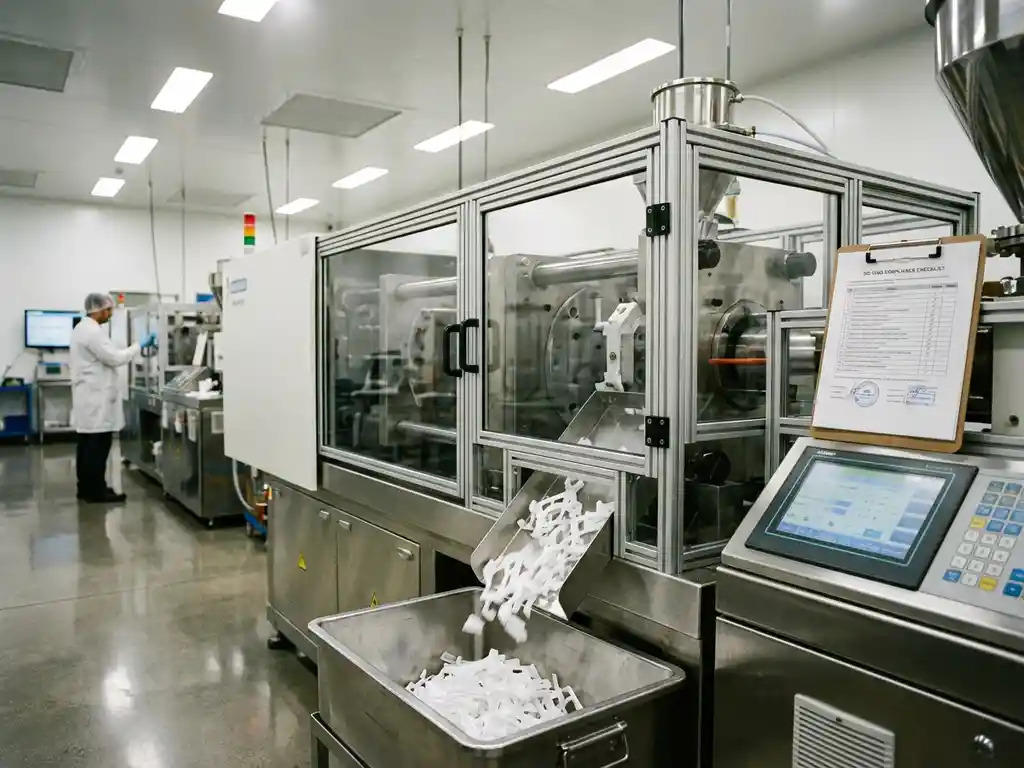
Injection molding supports regulatory compliance through structured quality systems, comprehensive documentation, and continuous monitoring processes. Modern manufacturing facilities must meet stringent regulatory standards across multiple industries, from medical devices to automotive components. Effective compliance strategies integrate quality management systems, traceability protocols, and validation procedures that ensure consistent product quality while maintaining audit readiness throughout production cycles.
What regulatory standards apply to injection molding operations?
Injection molding operations must comply with multiple regulatory frameworks depending on their target industries. FDA regulations govern medical devices and food-contact materials, requiring strict material controls and process validation. ISO 13485 specifically addresses medical device quality management, while IATF 16949 covers automotive industry requirements for injection-molded components.
Manufacturing facilities producing consumer goods must adhere to general ISO 9001 quality standards, which provide the foundation for most compliance programs. Industry-specific regulations add additional layers of requirements. Pharmaceutical packaging requires compliance with FDA 21 CFR Part 820, while aerospace components demand AS9100 certification alongside standard quality protocols.
European markets introduce CE marking requirements for many injection-molded products, particularly those involving safety or performance claims. Understanding which standards apply to your specific products and markets forms the cornerstone of any effective compliance strategy. Regular regulatory updates help ensure ongoing adherence as standards evolve with technological advances and safety requirements.
How does proper documentation support injection molding compliance?
Comprehensive documentation systems provide the evidence base for regulatory compliance in injection molding operations. Batch records track every production run with detailed parameter logs, material usage, and quality test results. Process validation documents demonstrate that manufacturing procedures consistently produce products that meet predetermined specifications and quality attributes.
Material certifications verify that raw materials meet regulatory requirements before entering production. These documents trace material properties, test results, and supplier qualifications throughout the supply chain. Change control procedures document any modifications to processes, materials, or equipment, ensuring regulatory bodies can assess the impact of operational changes on product quality.
Audit readiness depends on systematic documentation storage and retrieval systems. Electronic document management enables rapid access to historical records during inspections. Regular document reviews ensure information remains current and accurate. Training records demonstrate that personnel understand procedures and maintain competency in their roles, supporting overall compliance objectives.
Why is traceability crucial for injection molding regulatory compliance?
Traceability systems enable complete product lifecycle visibility from raw materials through finished-goods distribution. Lot tracking systems connect specific material batches to finished products, allowing rapid identification of affected items during quality issues or recalls. This capability is essential for meeting regulatory requirements across the medical, automotive, and consumer products industries.
Serialization systems assign unique identifiers to individual products or production batches, enabling precise tracking through distribution channels. Modern manufacturing integrates barcode or RFID technologies with production equipment to automatically capture traceability data. This automation reduces manual errors while providing real-time visibility into production status and quality parameters.
Recall procedures rely on robust traceability systems to quickly identify affected products and their distribution paths. Regulatory bodies expect manufacturers to demonstrate rapid response capabilities during safety incidents. Advanced manufacturing systems integrate traceability with quality management platforms, enabling proactive identification of potential issues before they affect customers or regulatory standing.
What role do quality management systems play in injection molding compliance?
Quality management systems provide the systematic framework that integrates all compliance activities within injection molding operations. QMS frameworks establish standardized procedures for process control, document management, and continuous improvement. These systems ensure consistent quality output while providing the structured approach that regulatory bodies expect from compliant manufacturers.
Nonconformance management within QMS platforms enables systematic identification, investigation, and correction of quality issues. Root cause analysis procedures prevent recurring problems while demonstrating proactive quality management to regulatory auditors. Corrective and preventive action systems track improvement initiatives from identification through implementation and effectiveness verification.
Statistical process control integration allows real-time monitoring of critical quality parameters during injection molding cycles. Control charts and trend analysis identify process variations before they affect product quality. Regular management reviews assess QMS effectiveness and drive continuous improvement initiatives. This systematic approach demonstrates regulatory commitment while supporting operational excellence and customer satisfaction objectives.
Successful injection molding compliance requires integrated systems that connect quality management, documentation, and traceability functions. Regular training ensures personnel understand their roles in maintaining compliance standards. Proactive regulatory monitoring helps manufacturers adapt to changing requirements while maintaining operational efficiency and product quality standards.
How EAS Change Systems helps with injection molding regulatory compliance
EAS Change Systems provides comprehensive solutions for injection molding manufacturers seeking to streamline their regulatory compliance processes. Our integrated platform addresses the complex challenges of maintaining audit-ready documentation, traceability, and quality management systems across multiple regulatory frameworks. Key benefits include:
- Automated documentation management that ensures complete batch records and process validation data
- Real-time traceability systems that connect raw materials to finished products throughout the supply chain
- Quality management integration that supports nonconformance tracking and corrective action procedures
- Regulatory compliance monitoring that keeps manufacturers current with evolving industry standards
- Audit preparation tools that provide rapid access to historical records and compliance evidence
Ready to enhance your injection molding compliance capabilities? Contact EAS Change Systems today to schedule a consultation and discover how our solutions can streamline your regulatory processes while improving operational efficiency.