

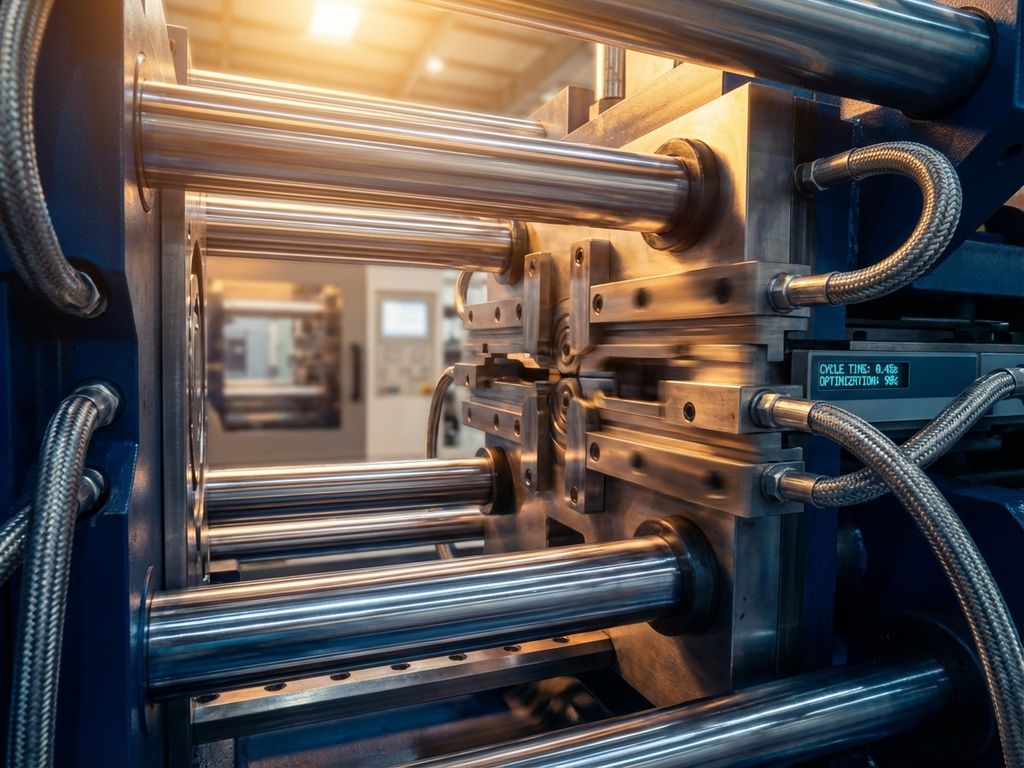
Increasing productivity requires a strategic combination of process optimisation, technology integration, and workforce development. Manufacturing businesses achieve the greatest improvements through lean principles, automation, setup time reduction, and equipment changeover efficiency. The key lies in measuring results and implementing systematic changes that address specific bottlenecks in your production process.
What are the most effective methods to increase productivity in manufacturing?
The most effective productivity methods combine lean manufacturing principles with modern automation and strategic workforce development. Lean principles eliminate waste through value stream mapping, 5S workplace organisation, and continuous improvement processes. Automation integration reduces manual labour while improving consistency and speed.
Workflow optimisation plays a crucial role in productivity enhancement. This involves analysing current processes to identify bottlenecks, redesigning production layouts for better material flow, and implementing standardised work procedures. When combined with comprehensive employee training programmes, these strategies create sustainable productivity improvements.
Equipment maintenance programmes prevent unexpected downtime that devastates productivity. Preventive maintenance schedules, real-time monitoring systems, and rapid response protocols keep production lines running smoothly. Additionally, implementing quality control systems at multiple production stages reduces rework and waste.
Technology integration extends beyond basic automation to include data analytics, inventory management systems, and production scheduling software. These tools provide visibility into operations, enabling managers to make informed decisions about resource allocation and process improvements.
How does reducing setup time impact overall productivity?
Reducing setup time dramatically increases machine utilisation rates and production flexibility while minimising waste. When changeover times drop from hours to minutes, manufacturers can run smaller batch sizes economically, respond quickly to customer demands, and maximise available production time.
Extended setup times create significant hidden costs beyond obvious downtime. During changeovers, skilled operators remain idle, energy consumption continues without production output, and delivery schedules face potential delays. Reducing these periods directly translates to increased throughput and lower per-unit costs.
Shorter setup times enable manufacturers to embrace just-in-time production principles. This approach reduces inventory carrying costs, minimises storage requirements, and decreases the risk of obsolete stock. Companies can also respond more effectively to market changes and customer customisation requests.
The flexibility gained from quick changeovers allows for better production scheduling. Manufacturers can switch between products based on demand fluctuations, seasonal requirements, or rush orders without significant productivity penalties. This agility becomes a competitive advantage in dynamic markets.
What role does equipment changeover efficiency play in productivity?
Equipment changeover efficiency directly impacts overall equipment effectiveness (OEE) and manufacturing throughput by minimising downtime and maximising productive hours. Streamlined changeover processes reduce the time between different product runs, allowing manufacturers to maintain consistent output levels while accommodating product variety.
Inefficient changeovers create cascading effects throughout production schedules. Delayed changeovers push back subsequent production runs, potentially causing missed delivery dates and overtime costs. The accumulated impact of multiple inefficient changeovers can reduce daily production capacity by significant margins.
Modern changeover systems focus on standardisation and preparation. Tools and components are pre-positioned, changeover procedures are documented and practised, and parallel activities occur simultaneously rather than sequentially. This systematic approach transforms changeovers from chaotic events into predictable, timed procedures.
Investment in changeover efficiency pays dividends through increased production flexibility and reduced labour costs. Operators spend less time on non-productive activities and more time on value-adding production work. The ability to change between products quickly also enables manufacturers to optimise production sequences for maximum efficiency.
Why is measuring productivity improvement essential for manufacturers?
Measuring productivity improvement provides data-driven insights that identify bottlenecks, validate improvement initiatives, and guide resource allocation decisions. Without proper metrics, manufacturers cannot determine which strategies deliver results or where to focus future improvement efforts.
Key productivity metrics include overall equipment effectiveness (OEE), throughput rates, setup times, and cost per unit. These measurements create baseline performance levels and track progress over time. Regular monitoring reveals trends, seasonal patterns, and the impact of specific changes on overall performance.
ROI calculations justify productivity investments and demonstrate their financial impact. When manufacturers can quantify the returns from automation, training programmes, or process improvements, they make more informed decisions about future investments. This approach ensures resources target the highest-impact opportunities.
Performance tracking systems enable continuous improvement by highlighting both successes and areas needing attention. Regular reviews of productivity data help teams identify emerging issues before they become significant problems. This proactive approach maintains momentum in productivity improvement efforts and prevents backsliding into less efficient practices.
How EAS change systems help increase manufacturing productivity
EAS change systems dramatically improve manufacturing productivity through advanced quick mold change (QMC) and quick die change (QDC) solutions that reduce changeover times from hours to minutes. Our comprehensive systems integrate seamlessly with existing production equipment to deliver immediate and measurable productivity gains.
Our productivity enhancement solutions include:
- Adaptive clamping systems that eliminate manual tool changes and reduce setup complexity
- Multi-coupler systems that connect multiple services simultaneously during changeovers
- Automated mold change tables and transportation vehicles for seamless equipment transitions
- Injection molding optimisation through integrated ejector couplers and connection systems
- Complete project management and installation support to ensure optimal system performance
- Comprehensive ROI calculations that demonstrate concrete productivity improvements and cost savings
We provide end-to-end support from initial consultation through installation and ongoing maintenance. Our application engineering team works with your production staff to optimise changeover procedures and maximise the productivity benefits of quick change systems.
Ready to transform your manufacturing productivity? Contact our team today to discuss how EAS change systems can reduce your setup times, increase production flexibility, and deliver measurable improvements to your bottom line through proven quick change technology.