

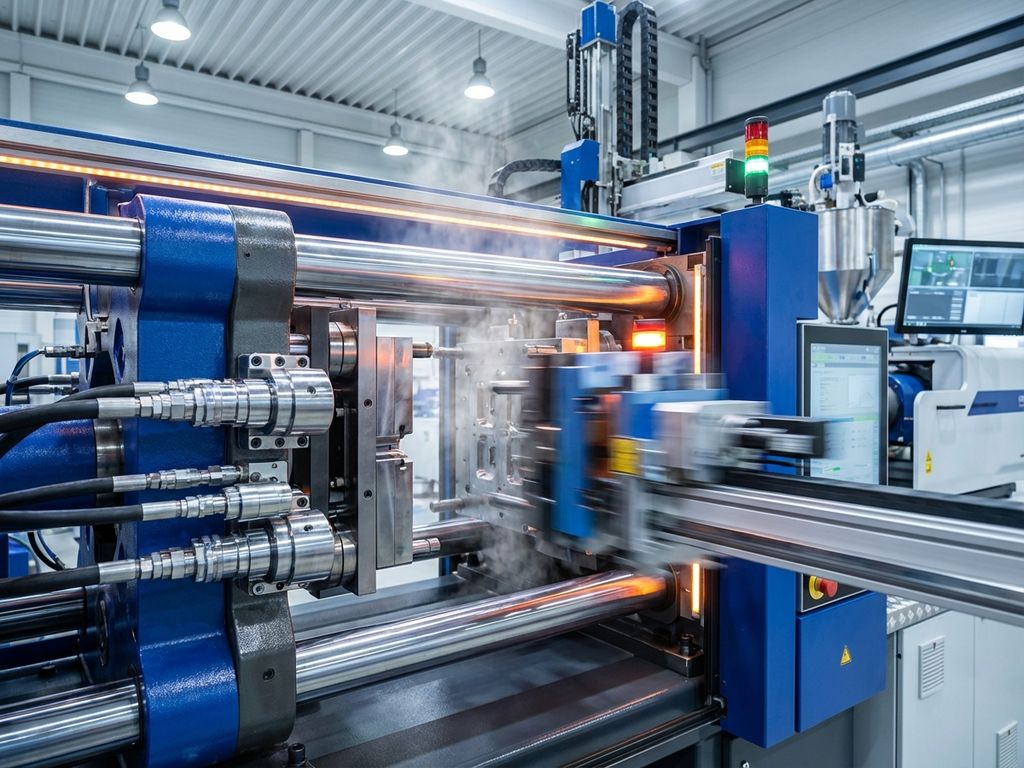
Reducing batch cycle time involves streamlining setup procedures, implementing quick-change systems, and optimising equipment transitions. Manufacturers can cut changeover times from hours to minutes through standardised processes, automated tooling, and proper planning. This comprehensive approach addresses the main factors that extend production cycles and provides practical strategies for significant time savings.
What is batch cycle time and why does it matter for manufacturing?
Batch cycle time represents the total duration required to complete one full production batch, including setup, processing, changeover, and any associated downtime. This metric encompasses three primary components: initial setup time, actual production processing, and changeover time between different products or configurations.
Manufacturing efficiency depends heavily on minimising non-productive time within each cycle. Extended batch cycles directly impact overall equipment effectiveness, reduce throughput capacity, and increase per-unit production costs. When changeovers take hours instead of minutes, manufacturers face reduced flexibility in responding to customer demands and market changes.
The financial implications extend beyond direct labour costs. Longer cycles mean fewer batches per shift, reduced machine utilisation, and higher inventory requirements to maintain service levels. Companies with optimised batch cycles can respond more quickly to customer orders, reduce work-in-progress inventory, and improve cash flow through faster production turnover.
What are the main factors that increase batch cycle time?
Several bottlenecks commonly extend batch cycle times beyond optimal levels. Lengthy setup procedures top the list, particularly when operators must manually adjust multiple machine parameters, install tooling, and perform extensive quality checks before production begins.
Inefficient changeover processes create significant delays when transitioning between different products or specifications. Without standardised procedures, operators may struggle with complex tool changes, leading to extended downtime and potential quality issues during startup.
Equipment-related factors include:
- Unplanned downtime from mechanical failures or maintenance issues
- Material handling delays when components are not properly staged
- Quality problems requiring rework or process adjustments
- Inadequate operator training leading to slower, less confident changeovers
- Poor workplace organisation making tools and materials difficult to locate
Communication gaps between shifts or departments can also extend cycles when critical information about setup requirements or process changes is not properly transferred.
How can manufacturers reduce setup and changeover times effectively?
SMED (Single Minute Exchange of Die) methodology provides the foundation for dramatic changeover time reduction. This approach distinguishes between internal activities (requiring machine shutdown) and external activities (performed while equipment runs), then works to convert internal tasks to external ones wherever possible.
Standardising changeover procedures ensures consistency and reduces operator uncertainty. Written procedures with visual aids help operators perform tasks efficiently while maintaining quality standards. Preparation is crucial: staging all required materials, tools, and documentation before shutdown minimises machine downtime.
Practical implementation strategies include:
- Creating changeover kits with all necessary tools and components
- Installing quick-release mechanisms for frequently changed components
- Implementing parallel processing where multiple operators work simultaneously
- Using preset tooling to eliminate adjustment time during changeover
- Training operators in standardised sequences and techniques
Regular timing and analysis of changeover activities identify specific bottlenecks and improvement opportunities. Video recording changeovers can reveal inefficiencies not apparent during real-time observation.
What role does equipment automation play in cycle time reduction?
Automated systems eliminate many manual steps that traditionally extend changeover times. Quick-change tooling systems allow operators to swap dies, moulds, or fixtures in minutes rather than hours through automated clamping and positioning mechanisms.
Robotic assistance handles heavy components safely and precisely, reducing both changeover time and injury risk. Automated material handling systems ensure components are properly positioned and ready when needed, eliminating delays from manual material movement.
Smart manufacturing technologies contribute through:
- Automated parameter adjustment based on stored recipes
- Real-time monitoring systems that predict maintenance needs
- Integration between planning systems and production equipment
- Automated quality checks that reduce startup time
- Remote monitoring capabilities for faster troubleshooting
Injection moulding operations benefit significantly from automated mould change systems that handle complex installations with minimal operator intervention. These systems maintain precise positioning and apply consistent clamping forces, improving both speed and repeatability.
How do you measure and track batch cycle time improvements?
Establishing baseline measurements requires accurate timing of all cycle components before implementing improvements. Break down total cycle time into setup, processing, changeover, and any waiting periods to identify the largest improvement opportunities.
Key performance indicators should include total changeover time, setup time per batch, overall equipment effectiveness, and changeover frequency. Data collection systems must capture both planned and unplanned downtime to provide complete visibility into cycle performance.
Effective monitoring approaches include:
- Automated data collection through machine monitoring systems
- Operator logbooks for detailed changeover timing
- Video analysis for detailed process study
- Statistical process control charts to track improvement trends
- Regular benchmarking against industry standards
Continuous monitoring systems provide real-time feedback on improvement initiatives and help identify when processes begin to drift from optimised states. Regular review meetings ensure teams stay focused on cycle time reduction goals and address emerging issues quickly.
How EAS change systems help reduce batch cycle time
EAS change systems provides comprehensive solutions that dramatically reduce changeover times through advanced quick mould change and quick die change technologies. Our systems transform lengthy manual processes into efficient automated procedures, reducing changeover times from hours to just minutes.
Our products include:
- Adaptive clamping systems that automatically position and secure moulds with precise, repeatable force
- Automated coupling systems for quick connection of utilities such as cooling water and electrical connections
- Mould change tables and transportation vehicles that streamline material handling
- Complete turnkey systems with integrated controls and safety features
- Comprehensive training and support to maximise system effectiveness
These solutions serve various applications across multiple industries, from automotive to consumer goods manufacturing. Ready to transform your changeover processes and reduce batch cycle times? Contact us today to discuss how our quick mould change systems can optimise your injection moulding operations and improve your manufacturing efficiency.