

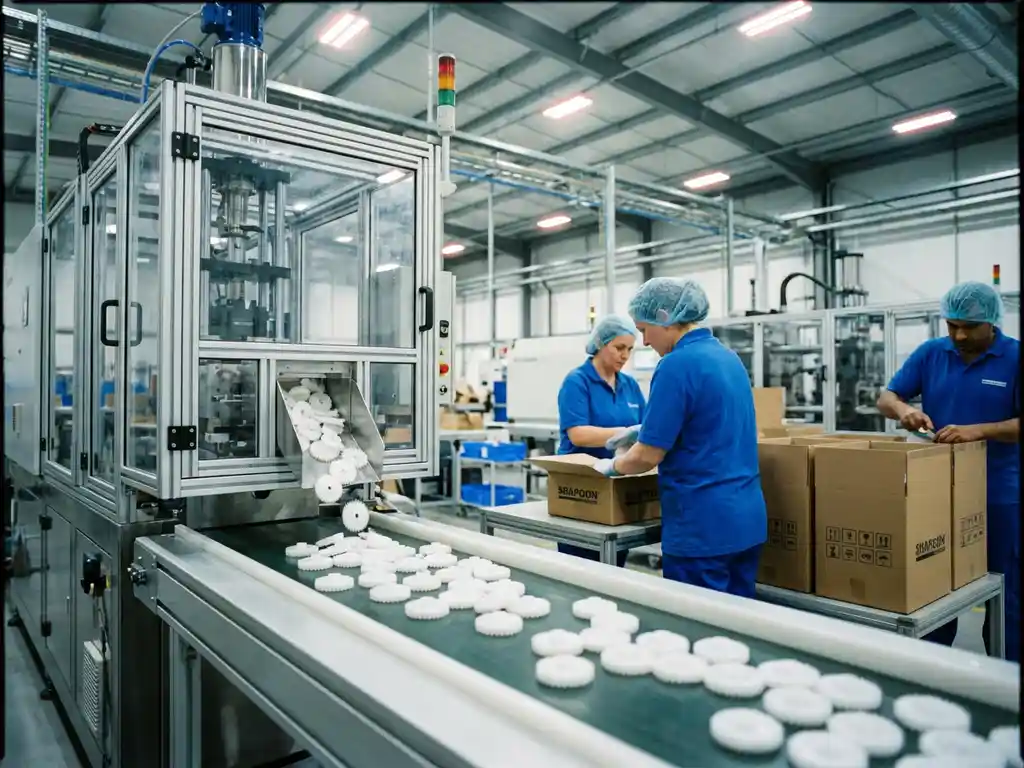
Injection molding significantly impacts supply chain efficiency through production scheduling, changeover times, and inventory management. Equipment downtime during mold changes creates bottlenecks that ripple throughout the entire supply chain, affecting delivery schedules and customer satisfaction. Modern quick mold change systems reduce setup times from hours to minutes, enabling more flexible production and more responsive supply chain operations.
How does injection molding downtime affect overall supply chain performance?
Equipment downtime during mold changes creates cascading delays throughout the supply chain, disrupting production schedules and forcing inventory buildups. When changeover times extend for several hours, manufacturers must produce larger batches to maintain efficiency, leading to excess inventory and reduced responsiveness to fluctuations in customer demand.
The relationship between production scheduling and supply chain reliability becomes particularly evident during peak demand periods. Extended mold changeover times force production planners to group similar products together, reducing schedule flexibility and creating longer lead times for customers. This inflexibility often results in rushed deliveries, expedited shipping costs, and compromised quality control processes.
Production facilities experiencing frequent downtime struggle to maintain consistent delivery schedules, forcing supply chain partners to carry additional safety stock. This increased inventory requirement raises carrying costs throughout the supply chain while reducing overall system efficiency. Customer satisfaction suffers when delivery commitments cannot be met due to unpredictable production schedules.
What role do quick mold change systems play in supply chain optimization?
Quick mold change systems reduce setup times from hours to minutes, enabling manufacturers to produce smaller batch sizes economically while maintaining high equipment utilization. This capability transforms supply chain operations by allowing more frequent changeovers and responsive production scheduling aligned with actual customer demand patterns.
Rapid changeover technology enables manufacturers to implement just-in-time production strategies effectively. Reduced inventory requirements free up working capital while decreasing storage costs and obsolescence risks. Production facilities can respond quickly to fluctuations in customer demand without maintaining excessive finished goods inventory.
The flexibility provided by quick mold change systems allows manufacturers to offer shorter lead times and more customized product options. Supply chain partners benefit from improved forecast accuracy because production schedules can accommodate last-minute changes without significant cost penalties. This responsiveness creates competitive advantages in markets requiring rapid product introductions or seasonal demand variations.
Why do manufacturers struggle with production flexibility in their supply chains?
Lengthy changeover times force manufacturers to prioritize batch efficiency over supply chain responsiveness, creating rigid production schedules that cannot accommodate demand variations. Traditional injection molding operations often require several hours for mold changes, making frequent product switches economically unfeasible and limiting schedule flexibility.
Complex scheduling requirements arise when balancing efficiency targets with customer service levels. Production planners must weigh the costs of changeover time against inventory carrying costs and the impact on customer satisfaction. Traditional approaches limit responsiveness by forcing long production runs that may not align with actual market demand patterns.
Supply chain disruptions become more problematic when production systems lack flexibility. Manufacturers with lengthy changeover processes cannot easily adjust production schedules to compensate for supplier delays or unexpected demand spikes. This inflexibility often results in stockouts of high-demand products while excess inventory accumulates for slower-moving items.
How can injection molding facilities improve their supply chain responsiveness?
Manufacturing facilities can enhance supply chain agility by implementing automated changeover processes, improving production planning systems, and integrating quick mold change solutions. These improvements dramatically reduce setup times, enabling more frequent product changeovers and responsive production scheduling aligned with customer demand.
Better production planning involves implementing scheduling systems that account for changeover capabilities and customer priority levels. Facilities should develop standardized changeover procedures that minimize variability in setup times. Automation technologies can eliminate manual steps that contribute to extended downtime during mold changes.
Integrating quick mold change systems allows facilities to reduce lead times while maintaining high service levels. Production teams should focus on standardizing tooling interfaces and implementing predictive maintenance programs that prevent unexpected equipment failures. These approaches enable facilities to confidently promise shorter delivery times while maintaining operational efficiency.
Successful supply chain responsiveness requires coordination between production capabilities and customer communication systems. Facilities with reliable quick changeover processes can offer real-time delivery updates and accommodate rush orders without disrupting overall production efficiency. This capability creates lasting competitive advantages in markets where responsiveness differentiates successful suppliers from their competitors.
How EAS Change Systems Transforms Supply Chain Performance
EAS Change Systems delivers proven quick mold change solutions that dramatically improve supply chain efficiency and responsiveness. Our advanced changeover technology helps manufacturers reduce setup times from hours to minutes, enabling more flexible production scheduling and better customer service levels. Key benefits include:
- Reduction in changeover times by up to 90%, allowing for smaller batch sizes and reduced inventory
- Improved production scheduling flexibility to accommodate last-minute customer requests
- Enhanced equipment utilization through minimized downtime during mold changes
- Standardized changeover processes that ensure consistent, predictable setup times
- Comprehensive training and support to maximize system performance and ROI
Ready to transform your supply chain performance? Contact EAS Change Systems today to schedule a consultation and discover how our quick mold change solutions can reduce your changeover times while improving production flexibility and customer satisfaction.