
Developing injection molding technician skills requires mastering technical competencies, gaining hands-on experience, and pursuing continuous education. Successful technicians combine machine operation expertise with problem-solving abilities and safety knowledge. The path involves formal training, mentorship, and practical application in manufacturing environments where injection molding optimization becomes second nature.
What essential skills do injection molding technicians need to master?
Injection molding technicians need machine operation expertise, material knowledge, quality control understanding, troubleshooting abilities, and mastery of safety protocols. These core competencies form the foundation for effective production management and process optimization in manufacturing environments.
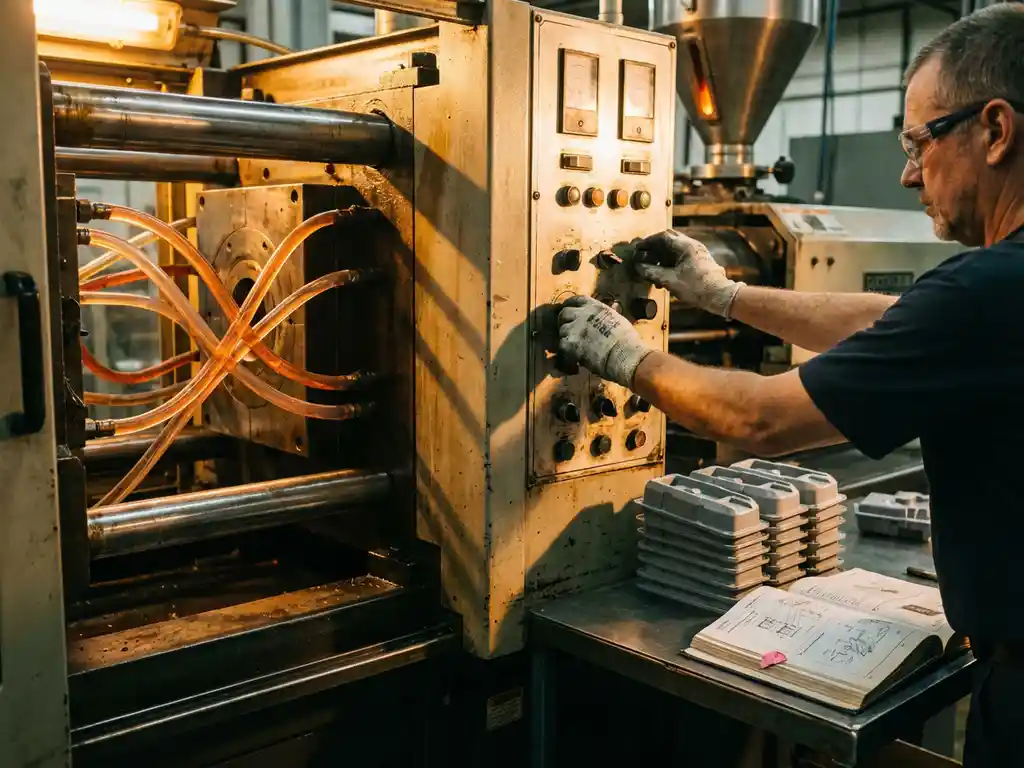
Machine operation skills encompass understanding hydraulic and electric injection molding machines, including setup procedures, parameter adjustments, and cycle optimization. Technicians must understand how temperature, pressure, and timing affect part quality while maintaining efficient production rates.
Material knowledge involves understanding polymer properties, flow characteristics, and processing requirements for different plastics. This includes recognizing how moisture content, temperature sensitivity, and additive interactions affect the molding process and final product quality.
Quality control expertise requires proficiency in dimensional inspection, visual defect identification, and statistical process control methods. Technicians must interpret specifications, use measuring instruments, and document quality data to maintain consistent production standards.
Safety protocols are paramount in injection molding environments. Technicians must understand lockout/tagout procedures, hot-material handling, chemical safety, and emergency response protocols to protect themselves and colleagues while maintaining production efficiency.
How do you gain hands-on experience in injection molding operations?
Hands-on experience comes through apprenticeships, on-the-job training programs, and mentorship opportunities in manufacturing facilities. These practical pathways provide real-world exposure to production challenges and progressive skill development under experienced supervision.
Apprenticeship programs combine classroom instruction with supervised factory experience, typically lasting two to four years. Participants work alongside seasoned technicians while learning machine operation, maintenance procedures, and troubleshooting techniques in real production environments.
On-the-job training allows new technicians to develop skills gradually through structured assignments. Starting with basic tasks like material handling and visual inspection, trainees progress to machine operation, parameter adjustment, and quality control responsibilities as competence increases.
Mentorship relationships with experienced technicians provide invaluable knowledge transfer. Mentors share practical insights about injection molding processes, equipment quirks, and problem-solving approaches that are not found in textbooks but are crucial for operational success.
Cross-training opportunities expose technicians to different machine types, materials, and production requirements. This broader experience enhances versatility and problem-solving capabilities while building an understanding of how various factors influence molding outcomes.
What training programs help advance injection molding technician careers?
Career advancement comes through vocational schools, certification programs, manufacturer training courses, and continuing education opportunities. These educational pathways enhance technical expertise and provide credentials that demonstrate professional competency to employers.
Vocational and technical schools offer comprehensive programs covering injection molding fundamentals, advanced processing techniques, and related manufacturing technologies. These structured curricula provide theoretical knowledge alongside practical laboratory experience using industry-standard equipment.
Professional certification programs validate technical competency through standardized testing and practical demonstrations. Organizations like the Society of Plastics Engineers offer certifications that demonstrate expertise and commitment to professional development.
Equipment manufacturer training courses provide specialized knowledge about specific machine brands and technologies. These programs offer insights into advanced features, maintenance procedures, and optimization techniques directly from equipment designers and engineers.
Continuing education through workshops, seminars, and online courses keeps technicians current with evolving technologies and industry best practices. Topics include new materials, automation systems, and quality management techniques that enhance career prospects and operational effectiveness.
How do you troubleshoot common injection molding problems effectively?
Effective troubleshooting uses systematic problem-solving methods to identify and resolve molding issues. This involves understanding cause-and-effect relationships between process parameters and defects, then implementing targeted solutions based on scientific analysis rather than guesswork.
The systematic approach begins with careful observation and documentation of symptoms. Technicians record when problems occur, which parts are affected, and what conditions existed during production. This data collection provides clues about potential root causes.
Common defects like flash, short shots, or sink marks typically result from specific parameter imbalances. Flash often indicates excessive injection pressure or inadequate clamping force, while short shots suggest insufficient material flow or premature cooling. Understanding these relationships guides solution selection.
Process optimization involves methodical parameter adjustment while monitoring results. Changes to temperature, pressure, speed, or timing are made incrementally, with careful documentation of outcomes. This approach prevents creating additional problems while solving existing ones.
Equipment maintenance issues require different troubleshooting approaches than process problems. Mechanical wear, electrical faults, or hydraulic leaks require systematic diagnosis using appropriate testing methods and tools.
How EAS Change Systems Supports Injection Molding Operations
EAS Change Systems provides comprehensive solutions that enhance injection molding efficiency through advanced die-change and automation technologies. Our expertise in manufacturing optimization directly supports injection molding operations by reducing downtime, improving changeover processes, and maximizing production efficiency. Key benefits include:
- Rapid die-change systems that minimize production interruptions
- Automated handling solutions for mold changeovers
- Custom engineering support for process optimization
- Training programs that develop technician expertise in advanced changeover techniques
- Ongoing technical support to maintain peak operational performance
Ready to optimize your injection molding operations? Contact EAS Change Systems today to discover how our proven solutions can reduce changeover times, improve efficiency, and support your technician development programs.