

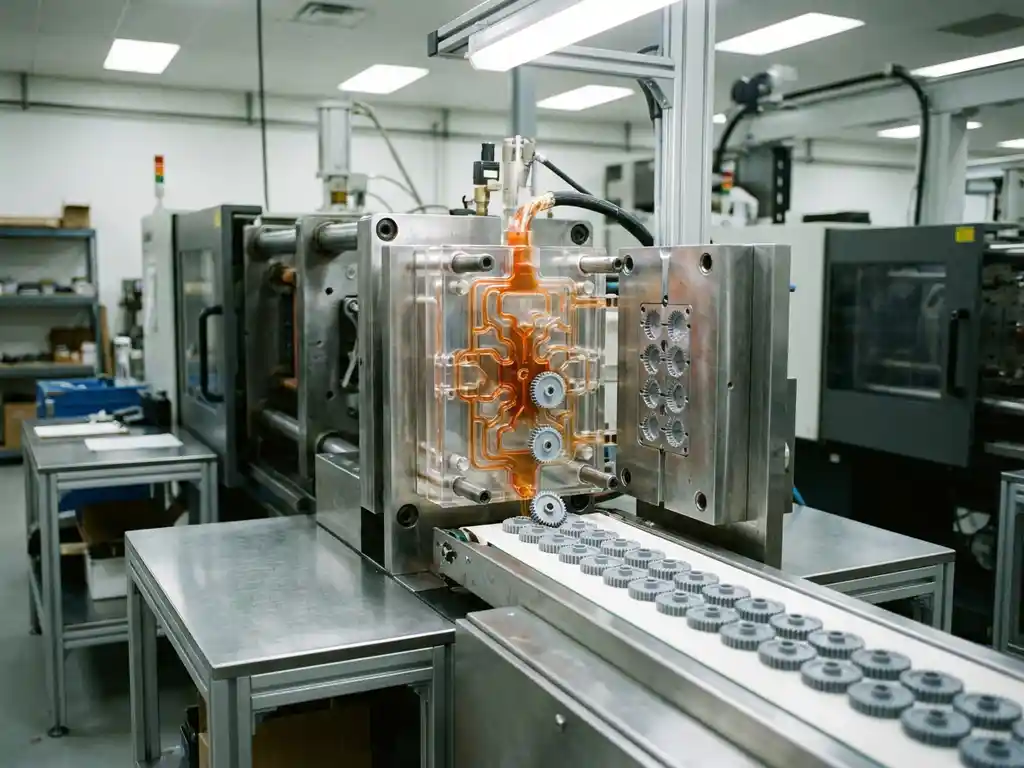
Injection molding process standardization involves establishing consistent procedures, equipment settings, and quality controls across all production activities. This systematic approach ensures that every production run follows identical protocols, reducing variability and improving product quality. Standardization encompasses everything from material handling to machine parameters, creating predictable manufacturing outcomes that enhance efficiency and reduce costs.
What is injection molding process standardization, and why does it matter?
Injection molding process standardization creates uniform procedures for every aspect of plastic production, from material preparation to finished-part inspection. It establishes documented protocols for machine settings, cycle times, temperature controls, and quality checkpoints that remain consistent regardless of operator or shift changes.
The core components include standardized operating procedures, equipment parameter sheets, material-handling protocols, and quality-control checklists. These elements work together to eliminate guesswork and ensure that every production run meets identical specifications.
Standardization matters because it directly impacts manufacturing efficiency, cost reduction, and quality consistency. When processes follow established protocols, manufacturers experience fewer defects, reduced scrap rates, and improved overall equipment effectiveness. This consistency becomes particularly valuable when scaling production or onboarding new team members into existing operations.
Quality consistency is perhaps the most significant benefit. Standardized processes ensure that every part meets specifications, reducing customer complaints and warranty issues while building a brand reputation for reliability.
How does standardization reduce setup times and manufacturing costs?
Standardized processes eliminate variability in changeover procedures, reducing setup times from hours to minutes through documented protocols and consistent equipment configurations. This systematic approach minimizes trial-and-error adjustments while ensuring optimal machine performance from the start of each production run.
This reduction occurs because operators follow proven procedures rather than relying on experience or intuition. Standard parameter sheets provide exact settings for each mold-and-material combination, eliminating time spent finding optimal conditions. This consistency reduces the waste material typically generated during setup optimization.
Manufacturing costs decrease through multiple mechanisms. Reduced setup times increase productive machine hours, allowing more parts per shift. Lower scrap rates during startup save material costs while improving yield calculations. Consistent quality reduces inspection time and rework expenses.
Advanced quick change systems complement standardization efforts by automating many changeover tasks. When combined with standardized procedures, these systems can reduce mold-change times to single-digit minutes, maximizing the benefits of process consistency.
Energy costs also decrease, as standardized processes optimize heating and cooling cycles, reducing unnecessary energy consumption during production transitions.
What are the key elements of a standardized injection molding process?
Essential standardization components include documented procedures, consistent machine settings, material-handling protocols, quality checkpoints, and comprehensive operator training requirements. These elements create a framework that ensures every aspect of production follows established protocols.
Documented procedures form the foundation, covering every process step from material preparation through final inspection. These documents specify exact sequences, timing requirements, and decision points that guide operator actions throughout production.
Machine parameter sheets detail specific settings for each mold-and-material combination. These include injection pressures, temperatures, cycle times, and cooling parameters that optimize part quality while maintaining efficiency. Standard parameter sheets eliminate guesswork and ensure consistent results.
Material-handling protocols establish procedures for storage, drying, and feeding systems. Proper material management prevents contamination, ensures consistent moisture content, and maintains material properties throughout production runs.
Quality checkpoints define inspection intervals, measurement requirements, and acceptance criteria. These checkpoints catch variations early, preventing defective parts from continuing through production while maintaining statistical process control.
Operator training requirements ensure that team members understand procedures and can execute them consistently. Regular training updates maintain competency while introducing improvements to existing processes.
How do you implement process standardization in existing injection molding operations?
Implementation begins with a comprehensive assessment of current practices, followed by documentation of best practices, training development, and a gradual rollout across production areas. This systematic approach ensures successful adoption while minimizing disruption to ongoing operations.
Assessment involves observing current practices across different shifts and operators, identifying variations in procedures, and determining which methods produce optimal results. This analysis reveals opportunities for improvement while highlighting successful practices worth standardizing.
Documentation requirements include creating detailed procedure sheets, parameter guides, and quality checklists. These documents must be clear, practical, and accessible to operators during production. Visual aids and step-by-step photographs enhance understanding and compliance.
Training protocols ensure that every operator understands the new procedures and can execute them consistently. Hands-on training sessions work better than classroom presentations, allowing operators to practice procedures while receiving immediate feedback.
Change management strategies address resistance to new procedures while building support for the benefits of standardization. Regular communication about improvements and successes helps maintain momentum throughout implementation.
Monitoring and adjustment phases track compliance with new procedures while identifying areas that need refinement. Continuous improvement ensures that standards evolve with production requirements and technological advances.
How EAS Change Systems helps with injection molding process standardization
EAS Change Systems provides comprehensive solutions that accelerate your standardization efforts through proven quick-change technology and implementation expertise. Our approach delivers measurable improvements in setup time reduction and process consistency across your manufacturing operations.
Our solutions include:
- Quick-change systems that integrate seamlessly with standardized procedures
- Expert consultation to identify optimization opportunities in your current processes
- Custom documentation and training materials tailored to your specific operations
- Ongoing support to ensure sustained improvements and continuous optimization
Ready to transform your injection molding operations through effective standardization? Contact EAS Change Systems today to schedule a consultation and discover how our proven solutions can reduce your setup times, lower manufacturing costs, and improve quality consistency across all production runs.
Injection molding optimization through standardization creates sustainable competitive advantages by improving efficiency, reducing costs, and ensuring consistent quality. This systematic approach transforms manufacturing operations from variable processes into predictable, controlled systems that deliver reliable results regardless of external factors.