

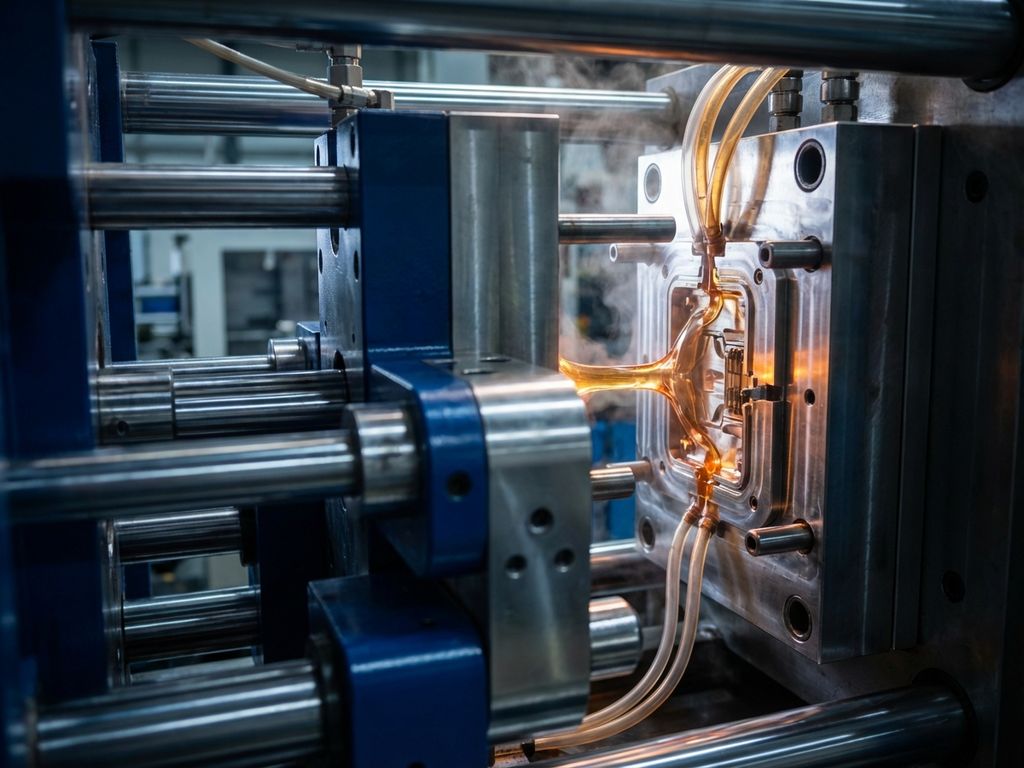
Implementing lean injection molding involves eliminating waste, reducing setup times, and optimizing processes to improve efficiency and profitability. This systematic approach focuses on value-added activities while removing non-essential steps that increase costs and production time. The key lies in identifying waste sources, standardizing procedures, and continuously improving operations through proven lean methodologies.
What is lean injection molding and why does it matter?
Lean injection molding is a manufacturing philosophy that eliminates waste while maximizing value in plastic production processes. It applies lean principles specifically to injection molding operations, focusing on reducing setup times, minimizing scrap, and improving overall equipment effectiveness.
This approach matters because injection molding operations often contain significant hidden waste that directly impacts profitability. Traditional molding processes frequently involve lengthy changeovers, excessive material waste, and inefficient workflows that increase per-unit costs.
The benefits extend beyond cost reduction. Lean injection molding improves product quality through standardized procedures, reduces lead times for customer orders, and creates more flexible production capabilities. Companies can respond faster to market demands while maintaining consistent quality standards.
Manufacturers who implement lean principles typically see improvements in overall equipment effectiveness, reduced inventory requirements, and better resource utilization. The systematic approach creates a culture of continuous improvement that drives long-term competitive advantages.
What are the main sources of waste in injection molding operations?
The primary waste sources in injection molding include excessive setup times, overproduction, waiting periods, unnecessary motion, and defective parts. These wastes often account for 30–50% of total production time in traditional operations.
Setup and changeover activities represent the largest waste category. Traditional mold changes can take several hours, during which expensive equipment sits idle. This forces manufacturers to run large batches to justify setup costs, leading to excess inventory and reduced flexibility.
Material waste occurs through startup scrap, purging requirements, and defective parts. Each mold change typically requires material purging and process stabilization, creating significant waste volumes in high-mix production environments.
Other common waste sources include:
- Waiting for materials, tools, or maintenance support
- Excessive movement of materials and personnel
- Overprocessing through unnecessary quality checks
- Inventory holding costs for work-in-progress materials
- Transportation inefficiencies within the production area
How do you reduce setup and changeover times in injection molding?
Reducing setup times requires implementing quick changeover systems, standardizing procedures, and preparing materials in advance. The goal is to convert internal setup activities (performed while machines are stopped) into external activities (completed during production).
The most effective approach involves systematic changeover analysis. Document every step in your current changeover process, timing each activity precisely. Identify which tasks can be performed while the machine runs, such as preparing the next mold, gathering tools, and staging materials.
Quick mold change systems dramatically reduce physical changeover time. These systems eliminate manual bolting and connection procedures, allowing molds to be changed in minutes rather than hours. Standardized connections for utilities, ejector systems, and cooling lines prevent setup errors and reduce complexity.
Additional reduction strategies include:
- Creating standardized toolkits for each mold changeover
- Training operators on efficient changeover procedures
- Implementing visual management systems for quick identification
- Using quick-connect systems for utilities and auxiliaries
- Establishing dedicated changeover teams for complex setups
What lean tools work best for injection molding process improvement?
The most effective lean tools for injection molding include 5S workplace organization, value stream mapping, standardized work procedures, and total productive maintenance. These tools address the specific challenges of plastic manufacturing environments and can be found across various industrial applications.
5S creates organized, efficient workspaces that support quick changeovers and reduce searching time. In injection molding, this means designated locations for tools, molds, and materials, plus visual indicators for proper equipment settings and procedures.
Value stream mapping reveals hidden waste in your production flow. Map the entire process from raw material receipt through finished product shipment, identifying bottlenecks, waiting periods, and non-value-added activities.
Standardized work procedures ensure consistent, efficient operations regardless of which operator runs the equipment. Document best practices for setup procedures, quality checks, and troubleshooting steps.
Other valuable tools include:
- Statistical process control for quality management
- Preventive maintenance schedules to reduce downtime
- Kanban systems for material flow control
- Root cause analysis for problem solving
- Continuous improvement suggestion systems
How do you measure success when implementing lean injection molding?
Success measurement focuses on key performance indicators including setup time reduction, overall equipment effectiveness, scrap rates, and production flexibility. Establish baseline measurements before implementation to track meaningful improvements over time.
Setup time reduction represents the most visible improvement metric. Track average changeover times for different mold combinations, aiming for consistent reductions as procedures improve and quick-change systems are implemented.
Overall Equipment Effectiveness (OEE) provides comprehensive performance measurement by combining availability, performance, and quality metrics. This single indicator reflects the combined impact of all lean improvements on production efficiency.
Additional success metrics include:
- Scrap and rework percentages during startup and production
- Inventory turnover rates for raw materials and finished goods
- Customer delivery performance and lead time reduction
- Employee engagement in improvement activities
- Energy consumption per unit produced
- Space utilization efficiency in production areas
Regular measurement reviews help identify areas needing additional focus and celebrate achievements that motivate continued improvement efforts.
How do EAS change systems help with lean injection molding implementation?
We provide comprehensive quick mold change solutions that directly address the largest waste source in injection molding operations. Our specialized products reduce changeover times from hours to minutes, enabling the small-batch flexibility that lean manufacturing requires.
Our solutions support lean implementation through:
- Quick mold change systems that eliminate manual bolting and setup procedures
- Standardized coupling systems for utilities, ejectors, and cooling connections
- Mold transportation and handling equipment for efficient material flow
- Comprehensive training and implementation support for changeover procedures
- ROI calculations that demonstrate measurable lean manufacturing benefits
We combine advanced engineering with practical implementation experience, helping manufacturers achieve dramatic setup time reductions while improving safety and consistency. Our global installation network ensures local support throughout your lean transformation journey.
Ready to reduce your injection molding changeover times? Contact our application engineers to discuss how our quick mold change solutions can support your lean manufacturing objectives and improve production efficiency.