

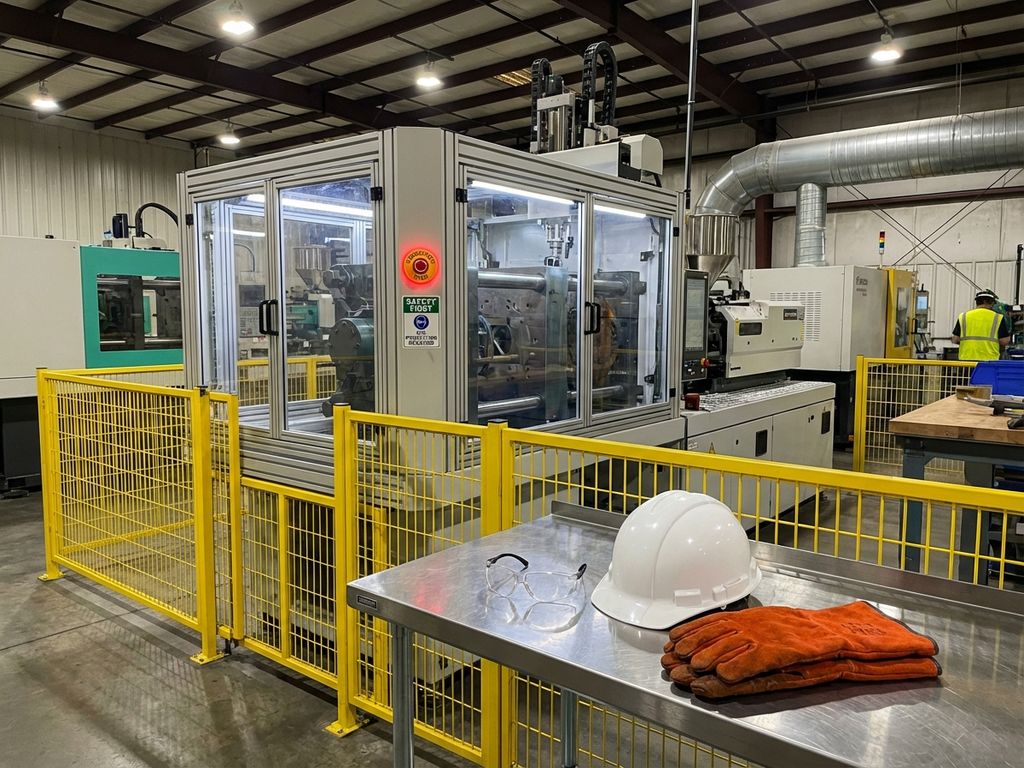
Injection molding workplace safety requires implementing comprehensive safety protocols, proper training, and regular equipment maintenance. The most critical elements include identifying common hazards such as hot surfaces and chemical exposure, establishing clear safety procedures, training workers on emergency protocols, maintaining equipment properly, and designing ergonomic workstations. These measures work together to create a safe production environment that protects workers while maintaining operational efficiency.
What are the most common safety hazards in injection molding workplaces?
The most common safety hazards in injection molding include thermal burns from hot surfaces, chemical exposure from plastics and additives, mechanical injuries from moving parts, and repetitive strain injuries. Hot molds, nozzles, and heated materials can reach temperatures exceeding 300°C, creating serious burn risks for operators.
Chemical hazards arise from plastic resins, colorants, and release agents that may emit toxic fumes or cause skin irritation. Workers face exposure through inhalation, skin contact, or accidental ingestion. Proper ventilation systems and personal protective equipment are essential for managing these risks.
Mechanical hazards include pinch points, rotating machinery, and hydraulic systems under high pressure. Injection molding machines operate with tremendous force, and any contact with moving parts during operation can result in severe injuries. Electrical hazards from high-voltage systems and the risk of slips and falls on production floors add additional safety concerns that require constant attention.
How do you implement effective safety protocols for injection molding operations?
Effective safety protocols begin with comprehensive risk assessments and documented safety procedures for every aspect of injection molding operations. Start by identifying all potential hazards, evaluating their severity, and implementing appropriate control measures following the hierarchy of controls.
Establish clear lockout/tagout procedures for equipment maintenance and mold changes. These protocols ensure machines are properly shut down and secured before any maintenance work begins. Install appropriate safety guards, emergency stops, and warning systems throughout the production area.
Create detailed standard operating procedures for routine tasks such as material handling, mold installation, and quality inspections. Regular safety audits and incident reporting systems help identify areas for improvement. Emergency response plans should cover scenarios such as chemical spills, fires, and medical emergencies, with clearly marked evacuation routes and assembly points.
What safety training should injection molding workers receive?
Injection molding workers should receive comprehensive safety training covering hazard recognition, proper use of personal protective equipment, emergency procedures, and safe operating practices. Training must be role-specific and include both classroom instruction and hands-on demonstrations.
New employees require thorough orientation covering facility safety rules, emergency procedures, and specific hazards associated with their work areas. Machine operators need detailed training on equipment safety features, proper startup and shutdown procedures, and troubleshooting protocols.
Ongoing training should include refresher courses on safety procedures, updates on new equipment or processes, and lessons learned from safety incidents. Workers handling chemicals require specialized training on material safety data sheets, proper storage procedures, and spill response. Regular safety meetings and toolbox talks help maintain safety awareness and provide opportunities for workers to discuss safety concerns.
How can proper equipment maintenance improve injection molding safety?
Proper equipment maintenance significantly improves safety by preventing mechanical failures that could lead to accidents, ensuring safety systems function correctly, and maintaining optimal operating conditions. Regular maintenance schedules help identify potential problems before they become safety hazards.
Preventive maintenance programs should include regular inspection of safety guards, emergency stops, and pressure relief systems. Hydraulic systems require particular attention due to the high pressures involved and the potential for catastrophic failures. Temperature control systems need regular calibration to prevent overheating incidents.
Maintenance activities themselves require strict safety protocols, including proper lockout/tagout procedures and the use of appropriate tools and equipment. Keep detailed maintenance records to track equipment condition and identify recurring problems. Well-maintained equipment operates more predictably, reducing the likelihood of unexpected failures that could endanger workers.
What role does ergonomics play in injection molding workplace safety?
Ergonomics plays a crucial role in preventing musculoskeletal disorders and reducing worker fatigue in injection molding operations. Poor ergonomic design leads to repetitive strain injuries, back problems, and decreased productivity over time.
Workstation design should minimize reaching, bending, and lifting requirements. Position controls and displays within easy reach and at appropriate heights for operators. Provide adjustable seating and work surfaces to accommodate different body sizes and working preferences.
Material handling presents significant ergonomic challenges, particularly when moving heavy molds or raw materials. Implement mechanical aids such as hoists, conveyor systems, and lift tables to reduce manual lifting requirements. Design workflow patterns that minimize unnecessary movement and provide adequate space for safe operation. Regular ergonomic assessments help identify improvement opportunities and prevent the development of chronic injuries.
How EAS change systems enhance injection molding workplace safety
EAS change systems significantly enhance injection molding workplace safety by reducing manual handling requirements and minimizing worker exposure to hazardous conditions during mold changes. Our products eliminate the need for workers to manually position heavy molds, reducing the risk of crushing injuries and musculoskeletal disorders.
Our safety-focused solutions include:
- Automated clamping systems that eliminate manual lifting of heavy molds
- Precise positioning mechanisms that reduce pinch point exposure
- Integrated safety features that prevent accidental activation during operation
- Ergonomic design that minimizes physical strain on operators
- Reduced changeover times that limit worker exposure to hazardous areas
Ready to improve your injection molding workplace safety while reducing changeover times? Contact our safety specialists to discuss how our quick mold change systems can enhance both productivity and worker protection in your facility. Learn more about EAS and our commitment to manufacturing safety excellence.