

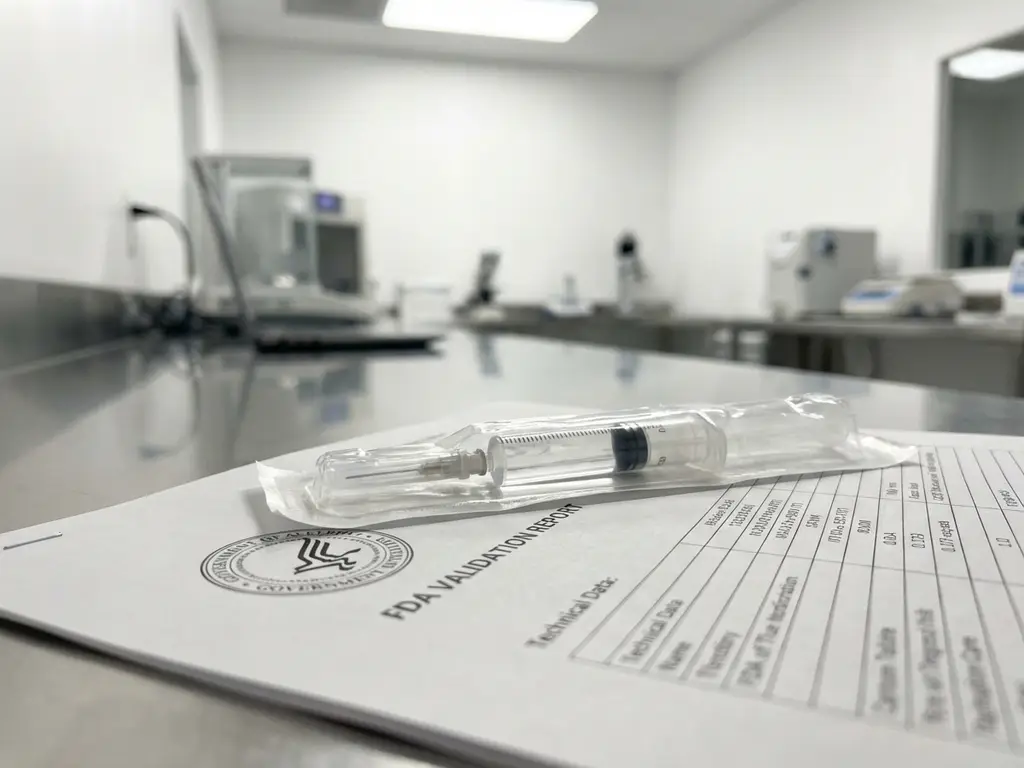
FDA validation for medical injection molding is a comprehensive regulatory process that ensures medical devices manufactured through injection molding meet stringent safety, efficacy, and quality standards. This validation process is mandatory for medical device manufacturers seeking to market their products in the United States. Understanding FDA validation requirements helps manufacturers navigate complex regulatory landscapes while maintaining production efficiency and patient safety.
What is FDA validation and why is it required for medical injection molding?
FDA validation is a regulatory requirement that verifies medical device manufacturing processes consistently produce products that meet predetermined specifications and quality attributes. The validation process ensures patient safety, product efficacy, and regulatory compliance for medical devices entering the market.
Medical device manufacturers must demonstrate that their injection molding processes are controlled, reproducible, and capable of producing safe, effective products. The FDA requires this validation because medical devices directly impact patient health and safety. Any manufacturing defects or inconsistencies could lead to device failure, patient harm, or treatment complications.
Injection molding plays a crucial role in medical device production, creating components ranging from surgical instruments to implantable devices. The process involves melting plastic materials and injecting them into precisely designed molds under controlled conditions. Given the critical nature of medical applications, every aspect of this manufacturing process must be validated and documented.
The FDA’s oversight ensures manufacturers maintain consistent quality standards throughout production. This regulatory framework protects patients while providing manufacturers with clear guidelines for achieving market approval and maintaining ongoing compliance.
What are the key FDA validation requirements for medical injection molding processes?
Key FDA validation requirements include process validation protocols, material qualification, equipment validation, environmental controls, and comprehensive documentation standards. These requirements ensure every aspect of the injection molding process meets medical device manufacturing standards.
Process validation protocols must demonstrate that the injection molding process consistently produces devices within specified parameters. This includes validating temperature controls, pressure settings, cycle times, and cooling procedures. Manufacturers must conduct installation qualification (IQ), operational qualification (OQ), and performance qualification (PQ) studies.
Material qualification requires thorough testing and documentation of all raw materials used in the injection molding process. This includes polymer resins, additives, colorants, and any processing aids. Each material must meet biocompatibility requirements and maintain consistent properties throughout the manufacturing process.
Equipment validation encompasses all machinery used in production, from injection molding machines to auxiliary equipment. This includes calibration procedures, maintenance schedules, and performance monitoring systems. Environmental controls must maintain appropriate temperature, humidity, and cleanliness levels throughout the manufacturing facility.
Good Manufacturing Practices (GMP) form the foundation of FDA validation requirements. These practices ensure consistent quality through controlled manufacturing environments, trained personnel, validated processes, and comprehensive documentation systems.
How does the FDA validation process work for medical device manufacturers?
The FDA validation process follows a structured timeline beginning with initial planning and documentation development, followed by validation study execution, regulatory submission, FDA review, facility inspection, and ongoing compliance monitoring.
Initial planning involves developing comprehensive validation protocols that outline testing procedures, acceptance criteria, and documentation requirements. Manufacturers must establish their quality management system and ensure all personnel receive appropriate training before beginning validation activities.
Validation study execution includes conducting IQ, OQ, and PQ studies for all critical processes and equipment. These studies generate data demonstrating process capability and consistency. Manufacturers must document all activities, deviations, and corrective actions taken during validation.
Regulatory submission requirements vary depending on device classification and regulatory pathway. Most medical devices require a 510(k) premarket notification or a premarket approval (PMA) application. These submissions must include validation data, manufacturing information, and clinical evidence supporting device safety and effectiveness.
FDA review processes typically take several months, during which the agency evaluates submitted data and may request additional information. Following approval, manufacturers must maintain ongoing compliance through regular audits, change control procedures, and continuous monitoring of manufacturing processes.
What materials and quality standards must meet FDA validation for medical injection molding?
FDA-approved materials for medical injection molding must demonstrate biocompatibility, chemical stability, and consistent performance characteristics. These materials undergo rigorous testing, including cytotoxicity, sensitization, and irritation studies, to ensure patient safety.
Biocompatibility testing follows ISO 10993 standards, evaluating how materials interact with biological systems. Testing requirements depend on the device’s intended use, contact duration, and patient exposure level. Materials must maintain their properties throughout the product’s intended shelf life and use period.
Material traceability standards require comprehensive documentation from raw material suppliers through final device production. This includes certificates of analysis, batch records, and chain-of-custody documentation. Manufacturers must maintain complete traceability to support product recalls or investigations if necessary.
Quality control measures include incoming material inspection, in-process monitoring, and finished product testing. Statistical process control helps identify trends and variations that could affect product quality. Quick mold change systems can support medical device production by reducing changeover times while maintaining the validated state of manufacturing processes.
Manufacturing processes must incorporate robust injection molding optimization techniques to ensure consistent part quality. This includes optimizing processing parameters, mold design, and cooling systems to minimize part-to-part variation and maintain dimensional accuracy critical for medical device performance.
How EAS Change Systems helps with FDA validation for medical injection molding
EAS Change Systems provides specialized solutions that streamline FDA validation processes while maintaining the highest standards of regulatory compliance for medical injection molding operations. Our comprehensive approach addresses the unique challenges medical device manufacturers face during validation and ongoing production:
• Validated changeover procedures that maintain GMP compliance during mold changes
• Documentation systems that support complete traceability and audit readiness
• Process optimization tools that ensure consistent quality across production runs
• Training programs that keep your team current with FDA requirements
• Change control protocols that maintain validated state throughout manufacturing
Understanding FDA validation requirements helps medical device manufacturers navigate regulatory compliance while maintaining efficient production processes. Proper validation ensures patient safety, regulatory approval, and sustainable manufacturing operations in the demanding medical device industry. Contact EAS Change Systems today to learn how our FDA-compliant solutions can optimize your medical injection molding validation process and accelerate your path to market approval.