

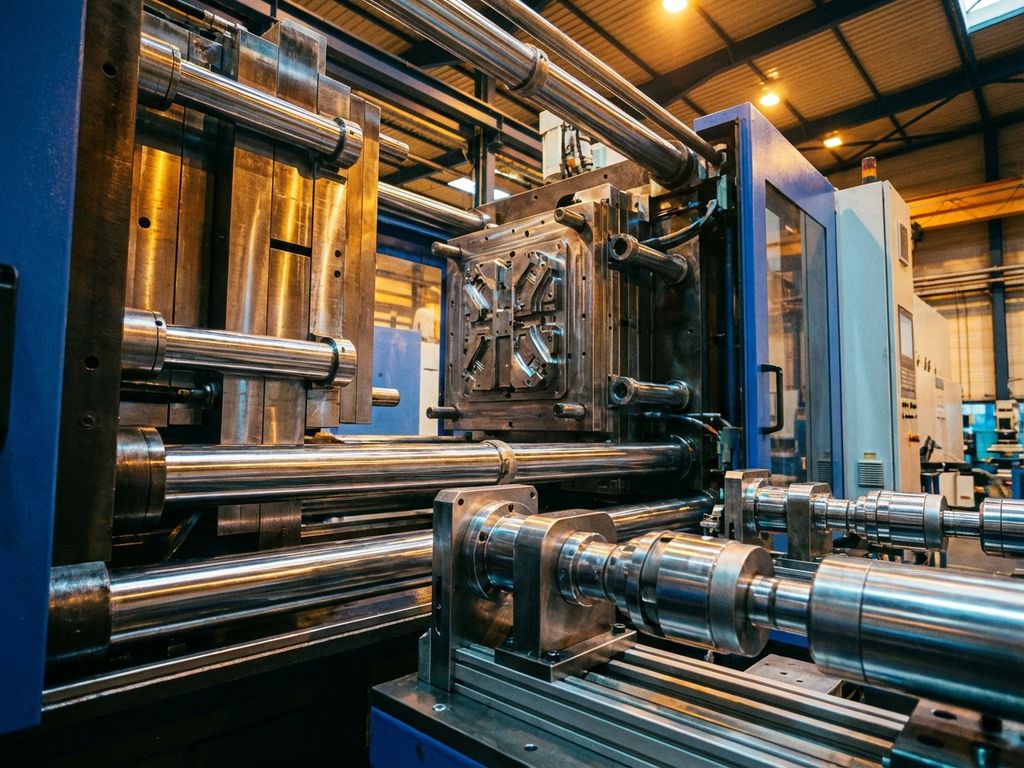
Reducing mold change time involves implementing quick mold change systems, improving preparation processes, and using specialized equipment such as magnetic clamping systems and automated couplers. Most manufacturers can reduce changeover times from hours to minutes through proper planning, operator training, and the right technological solutions. This transformation significantly improves injection molding performance and overall production efficiency.
What factors contribute to long mold change times?
Manual processes, inadequate equipment, insufficient operator training, and poor workspace organization are the primary factors that extend mold changeover periods. These inefficiencies can turn what should be a quick process into hours of downtime that severely impact production schedules.
Manual clamping and unclamping procedures represent the biggest time drain in traditional mold changes. Operators must individually secure multiple clamps, check alignments, and connect various systems by hand. This process becomes even more time-consuming when dealing with heavy molds that require multiple personnel and lifting equipment.
Equipment limitations also play a significant role in extended changeover times. Older injection molding machines often lack standardized mounting systems, requiring custom adaptations for each mold. Without proper mold transportation equipment, operators must rely on overhead cranes or forklifts, which adds complexity and safety considerations to the process.
Organizational factors compound these technical challenges. Poor communication between shifts, inadequate preparation of tools and materials, and a lack of standardized procedures create unnecessary delays. When operators are not properly trained in efficient changeover techniques, even simple tasks take longer than necessary.
How can manufacturers prepare for faster mold changes?
Systematic preparation through workspace organization, tool staging, operator training, and standardized procedures can significantly reduce changeover times even before investing in automated systems. These foundational improvements often deliver immediate results and create the groundwork for future automation investments.
Workspace organization begins with creating dedicated areas for mold storage, tool staging, and changeover activities. Establishing clear pathways for mold transportation and ensuring all necessary tools are readily available eliminates searching time during changeovers. Visual management systems help operators quickly identify the correct tools and components for each specific mold.
Operator training programs should focus on standardized changeover procedures that minimize variation between different operators and shifts. Training should cover safety protocols, proper lifting techniques, and systematic approaches to disconnecting and reconnecting mold systems. Cross-training multiple operators ensures changeovers are not delayed by personnel availability.
Implementing preparation checklists and pre-changeover inspections helps identify potential issues before they cause delays. This includes verifying that the incoming mold is properly maintained, all necessary tooling is available, and the machine is ready for the changeover process.
What equipment solutions reduce mold changeover time most effectively?
Magnetic clamping systems, automated coupling solutions, and mold transportation equipment are among the most effective technologies for reducing changeover times. These systems can transform manual processes that take hours into automated procedures completed in minutes, dramatically improving injection molding performance.
Magnetic clamping systems eliminate the time-consuming process of manually tightening and loosening individual clamps. At the push of a button, operators can simultaneously engage or release all clamping points, reducing this portion of the changeover from 30–45 minutes to just a few seconds.
Automated coupling solutions streamline the connection of cooling lines, ejector systems, and other mold services. Multi-coupler systems allow operators to connect multiple services simultaneously rather than making individual connections. This technology reduces connection time from 15–20 minutes to under a minute while improving reliability.
Mold transportation equipment, including guided mold change tables and automated mold shuttles, eliminates the need for overhead cranes during changeovers. These systems can precisely position molds and integrate with other quick-change technologies for seamless operation.
Additional equipment solutions include standardized mold bases, quick-connect electrical systems, and automated mold height adjustment mechanisms. When integrated properly, these technologies work together to create a comprehensive quick mold change system.
How do you measure and track mold change time improvements?
Establishing baseline measurements, implementing systematic tracking methods, and calculating return on investment provides clear visibility into changeover time improvements. Accurate measurement helps identify bottlenecks and demonstrates the value of quick mold change investments to management.
Baseline measurement should capture the complete changeover process, from production stop to quality-approved startup of the new mold. This includes preparation time, actual changeover activities, and any adjustments needed before normal production resumes. Breaking down the process into specific steps helps identify where the most significant improvements occur.
Digital tracking systems can automatically capture changeover data, reducing manual recording errors and providing real-time visibility into performance trends. Many manufacturers use production monitoring software that integrates with their injection molding machines to automatically track changeover times and frequency.
Key performance indicators should include average changeover time, changeover frequency, total downtime costs, and overall equipment effectiveness (OEE) improvements. Tracking these metrics over time reveals the true impact of quick mold change investments on production efficiency.
ROI calculations should consider both direct time savings and indirect benefits such as increased flexibility, reduced inventory requirements, and improved ability to respond to customer demands. Many manufacturers find that quick mold change systems pay for themselves within 12–18 months through improved productivity alone.
How EAS change systems helps reduce mold change time
EAS change systems provides comprehensive quick mold change solutions that can reduce changeover times from hours to minutes. Our integrated approach combines proven technologies with expert support to deliver measurable improvements in manufacturing efficiency and injection molding performance across diverse industrial applications.
Our quick mold change solutions include:
- Magnetic clamping systems that eliminate manual clamp tightening and provide instant, uniform clamping force
- Multi-coupler systems for the simultaneous connection of cooling, ejector, and service lines
- Mold change tables and transportation equipment for safe, precise mold positioning
- Complete turnkey systems that integrate all components for maximum efficiency
- Application engineering support to design optimal solutions for specific requirements
- Installation, training, and ongoing service to ensure long-term success
We provide ROI calculations and project management support to help manufacturers understand the financial benefits and plan successful implementations. Our global network ensures local support and service availability wherever you operate.
Contact EAS change systems today to discover how our quick mold change solutions can transform your production efficiency and reduce changeover times to just minutes.