

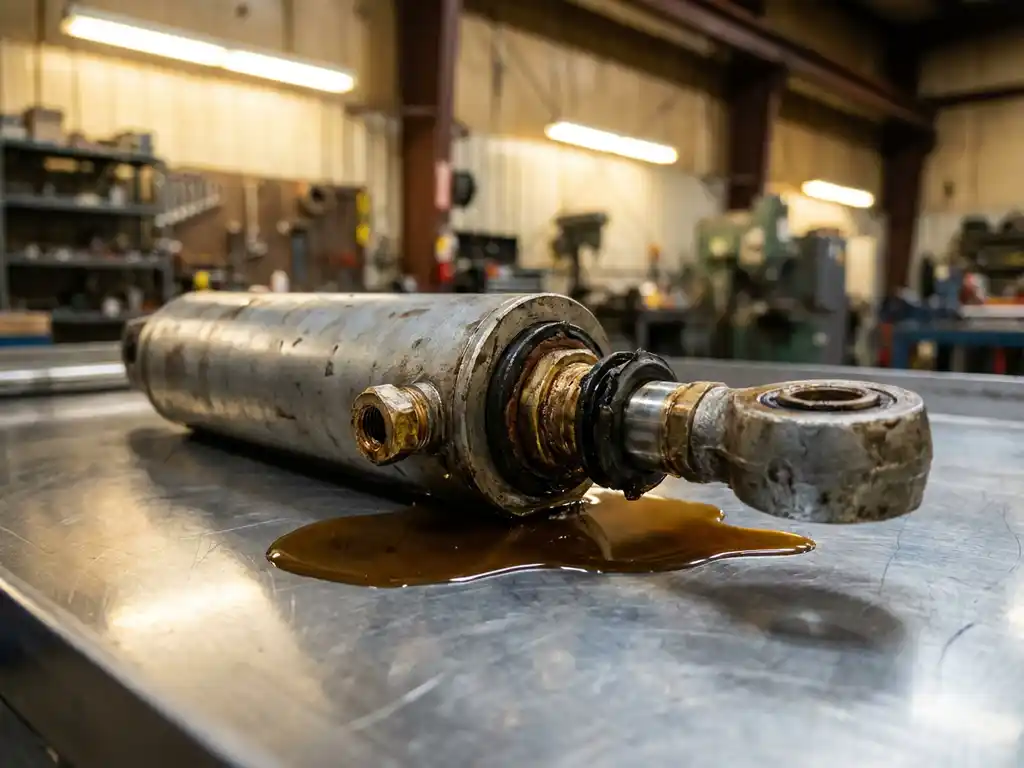
Hydraulic system failures in injection molding can bring production lines to a grinding halt, causing costly downtime and affecting product quality. Understanding the root causes of these failures is essential for maintaining efficient manufacturing operations and implementing effective injection molding troubleshooting strategies.
From contaminated hydraulic fluid to worn seals and pump malfunctions, various factors can compromise your molding equipment’s hydraulic systems. By identifying these issues early and implementing preventive measures, manufacturers can significantly reduce production downtime and maintain consistent output quality.
What are the most common hydraulic system failures in injection molding?
The most common hydraulic system failures in injection molding include fluid contamination, seal deterioration, pump wear, overheating, and pressure inconsistencies. These failures typically account for 60%–70% of all hydraulic-related production stoppages in molding operations.
Fluid contamination ranks as the leading cause, often resulting from inadequate filtration or moisture ingress. This contamination accelerates component wear and reduces system efficiency. Seal failures follow closely, particularly in high-pressure applications where O-rings and gaskets experience constant stress cycles.
Pump-related issues manifest as reduced flow rates, pressure drops, or complete pump failure. Overheating problems often stem from inadequate cooling systems or excessive system loads, while pressure inconsistencies can indicate valve malfunctions or internal leakage throughout the hydraulic circuit.
Why does hydraulic fluid contamination cause injection molding problems?
Hydraulic fluid contamination causes injection molding problems by accelerating component wear, reducing system efficiency, and creating unpredictable pressure variations that affect part quality and cycle times. Contaminated fluid acts like liquid sandpaper, damaging precision components throughout the system.
Water contamination is particularly problematic in injection molding hydraulics. Even small amounts of moisture can cause fluid breakdown, reduce lubricating properties, and promote corrosion of internal components. This leads to erratic machine behavior and inconsistent shot-to-shot performance.
Particulate contamination from metal wear particles, dirt, or degraded seals creates a cascading effect. These particles damage valve seats, cylinder walls, and pump components, generating more contamination and accelerating system degradation. The result is increased maintenance costs and frequent production interruptions for injection molding troubleshooting.
How do seal failures affect injection molding hydraulic systems?
Seal failures in injection molding hydraulic systems cause internal leakage, pressure loss, and contamination that directly impact molding precision and cycle consistency. Failed seals allow hydraulic fluid to bypass intended flow paths, reducing system pressure and creating unpredictable machine behavior.
Internal leakage from worn seals forces hydraulic pumps to work harder to maintain system pressure, increasing energy consumption and generating excess heat. This additional strain accelerates wear on other system components and can lead to complete pump failure if not addressed promptly.
External seal failures create safety hazards and environmental concerns while contaminating the surrounding area. Leaked hydraulic fluid can create slip hazards and, when it contacts hot surfaces, may pose fire risks. Additionally, external leaks often allow contaminants to enter the system, compounding the original seal failure problem.
What causes hydraulic pumps to fail in molding machines?
Hydraulic pumps fail in molding machines primarily due to contaminated fluid, excessive heat, cavitation, and improper maintenance practices. These factors work individually or in combination to reduce pump life and cause unexpected production downtime.
Cavitation occurs when pump inlet conditions create vapor bubbles in the hydraulic fluid, which then collapse violently and damage pump components. This typically results from restricted suction lines, low fluid levels, or using fluid with viscosity characteristics that are unsuitable for the operating temperature.
Excessive heat generation from overloading, poor cooling, or system inefficiencies breaks down hydraulic fluid and damages pump seals and internal components. High operating temperatures also reduce fluid viscosity, leading to increased internal leakage and further pump degradation. Regular monitoring of fluid temperature and system pressure helps identify these issues before complete pump failure occurs.
How can you prevent hydraulic system failures in injection molding?
Preventing hydraulic system failures in injection molding requires implementing regular fluid analysis, maintaining proper filtration, monitoring system temperatures, and following scheduled maintenance protocols. These proactive measures can reduce hydraulic-related downtime by up to 80%.
Establish a comprehensive fluid management program that includes regular sampling and analysis to detect contamination early. Install high-quality filtration systems and replace filters according to manufacturer specifications, not just at set time intervals. Monitor pressure differentials across filters to ensure optimal performance.
Temperature monitoring throughout the hydraulic system helps identify developing problems before they cause failures. Implement cooling system maintenance schedules and ensure adequate heat dissipation capacity for your production demands. Regular seal inspections and proactive replacement based on operating hours rather than failure significantly reduce production downtime.
When should you replace hydraulic components in molding equipment?
Replace hydraulic components in molding equipment based on condition-monitoring data, operating hours, and performance indicators rather than waiting for complete failure. Proactive replacement typically occurs when components reach 70%–80% of their expected wear life or when performance metrics indicate declining efficiency.
Monitor key performance indicators, including system pressure stability, cycle time consistency, and fluid temperature trends. Declining performance in these areas often indicates component wear before complete failure occurs. Establish replacement schedules based on manufacturer recommendations and your specific operating conditions.
Critical components like pumps and main system valves should undergo regular inspection and testing. Replace seals and filters according to scheduled maintenance intervals, while monitoring high-wear components like cylinder seals and directional valves for signs of internal leakage or reduced response times. This approach minimizes unexpected failures and supports effective production downtime reduction strategies.
How EAS Change Systems Helps with Hydraulic System Reliability
We understand that hydraulic system reliability is crucial for efficient injection molding operations, which is why our quick mold change solutions are designed to reduce stress on hydraulic components while improving overall system performance. Our systems help minimize hydraulic system strain through several key approaches:
- Adaptive clamping systems that optimize hydraulic pressure distribution and reduce component wear
- Quick-connect couplers that eliminate frequent hydraulic line connections and disconnections
- Automated mold handling systems that reduce hydraulic cycling and extend component life
- Integration support that ensures compatibility with existing hydraulic systems
- Comprehensive maintenance planning that includes hydraulic system considerations
Our engineering team works with manufacturers to design quick-change solutions that complement existing hydraulic systems while reducing operational stress and maintenance requirements. Contact us today to discuss how our solutions can improve your hydraulic system reliability and reduce production downtime in your injection molding operations.