

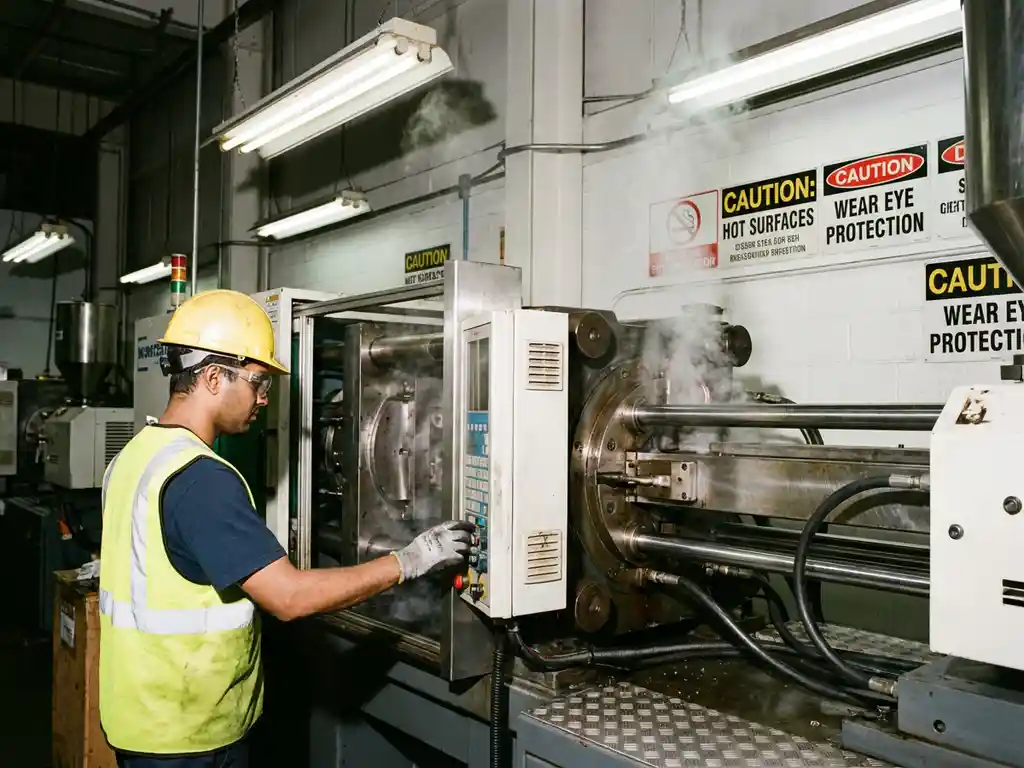
Injection molding safety protocols encompass personal protective equipment requirements, machine safety procedures, chemical handling guidelines, and emergency response measures. These protocols protect workers from burns, chemical exposure, machinery hazards, and other risks inherent in molding operations. Proper implementation requires comprehensive training, appropriate equipment, and strict adherence to established safety standards throughout the facility.
What are the essential safety protocols for injection molding operations?
Essential safety protocols for injection molding include wearing proper personal protective equipment, following lockout/tagout procedures, maintaining safe temperatures, and implementing chemical handling procedures. Workers must wear safety glasses, heat-resistant gloves, and closed-toe shoes at a minimum. Machine guards must remain in place during operation, and emergency stops should be easily accessible.
Temperature control is a critical safety concern in injection molding operations. Heated barrels, nozzles, and molds can reach temperatures exceeding 300°C, creating severe burn risks. Workers should never attempt to clear blockages or perform maintenance on hot equipment. Proper cooling procedures and temperature-monitoring systems help prevent thermal injuries.
Machine safety procedures require operators to follow established lockout/tagout protocols before performing any maintenance work. This prevents accidental machine startup during servicing. Regular inspection of safety devices, including emergency stops, light curtains, and interlock systems, ensures these protective measures function properly when needed.
How do you ensure proper safety training for injection molding operators?
Proper safety training for injection molding operators involves comprehensive initial certification, hands-on equipment training, hazard recognition education, and regular refresher courses. New operators must complete a safety orientation covering machine operation, emergency procedures, and chemical handling before working independently. Ongoing competency assessments ensure skills remain current.
Training programs should cover specific hazards associated with injection molding, including hot surfaces, moving machinery, hydraulic systems, and chemical exposure. Operators learn to identify potential safety risks, understand proper response procedures, and recognize when to stop operations due to safety concerns.
Documentation of training completion, competency testing results, and refresher course attendance helps maintain compliance with safety regulations. Regular safety meetings and toolbox talks reinforce key safety messages and address new hazards or procedural changes. This systematic approach to injection molding optimization ensures consistent safety performance across all operators.
What safety equipment is required for injection molding facilities?
Required safety equipment for injection molding facilities includes machine guards and barriers, emergency stop systems, adequate ventilation, fire suppression equipment, first aid stations, and safety monitoring devices. Each injection molding machine must have proper guarding around moving parts, heated surfaces, and pinch points. Emergency stops should be positioned for quick access from operator positions.
Ventilation systems remove harmful fumes and maintain air quality within safe limits. Plastic processing can generate vapors from heated materials, requiring effective exhaust systems and air filtration. Temperature and air quality monitoring helps ensure ventilation systems operate effectively.
Fire suppression systems must be appropriate for the materials and processes involved. Automatic sprinkler systems, portable extinguishers, and emergency evacuation procedures protect against fire hazards. First aid equipment, including burn treatment supplies and eyewash stations, provides immediate response capability for injuries.
Safety monitoring equipment includes temperature sensors, pressure gauges, and alarm systems that alert operators to potentially dangerous conditions. These systems provide early warning of equipment malfunctions or process deviations that could create safety hazards.
How do you handle hazardous materials safely in injection molding?
Safe handling of hazardous materials in injection molding requires proper storage procedures and ventilation systems, containment measures, and disposal protocols. Plastic resins, additives, colorants, and cleaning chemicals must be stored according to manufacturer specifications and safety data sheet requirements. Proper labeling and inventory management prevent accidental exposure or chemical incompatibility issues.
Ventilation systems must effectively capture and remove airborne contaminants at their source. Local exhaust ventilation near material feed points and processing areas prevents worker exposure to potentially harmful vapors or dust. Regular air quality monitoring ensures ventilation systems maintain safe working conditions.
Spill response procedures include immediate containment, proper cleanup methods, and appropriate disposal of contaminated materials. Workers should have access to spill kits containing absorbent materials, neutralizing agents, and protective equipment. Emergency shower and eyewash stations provide immediate decontamination capability in the event of accidental exposure.
Chemical storage areas require appropriate containment systems, temperature control, and access restrictions. Incompatible materials must be separated to prevent dangerous reactions. Regular inspection of storage containers and handling equipment helps identify potential problems before they create safety hazards.
How EAS Change Systems Enhances Injection Molding Safety
EAS Change Systems provides comprehensive safety solutions that help injection molding facilities implement and maintain robust safety protocols while optimizing operational efficiency. Our approach combines systematic safety assessments with practical implementation strategies to create safer working environments. Key benefits include:
• Development of customized safety protocols tailored to your specific equipment and processes
• Implementation of advanced monitoring systems that provide real-time safety alerts and performance data
• Comprehensive training programs that ensure all operators understand and follow proper safety procedures
• Regular safety audits and continuous improvement initiatives that keep your facility compliant with evolving regulations
Ready to enhance your injection molding safety protocols? Contact EAS Change Systems today to schedule a comprehensive safety assessment and discover how our proven methodologies can protect your workforce while improving operational performance.