

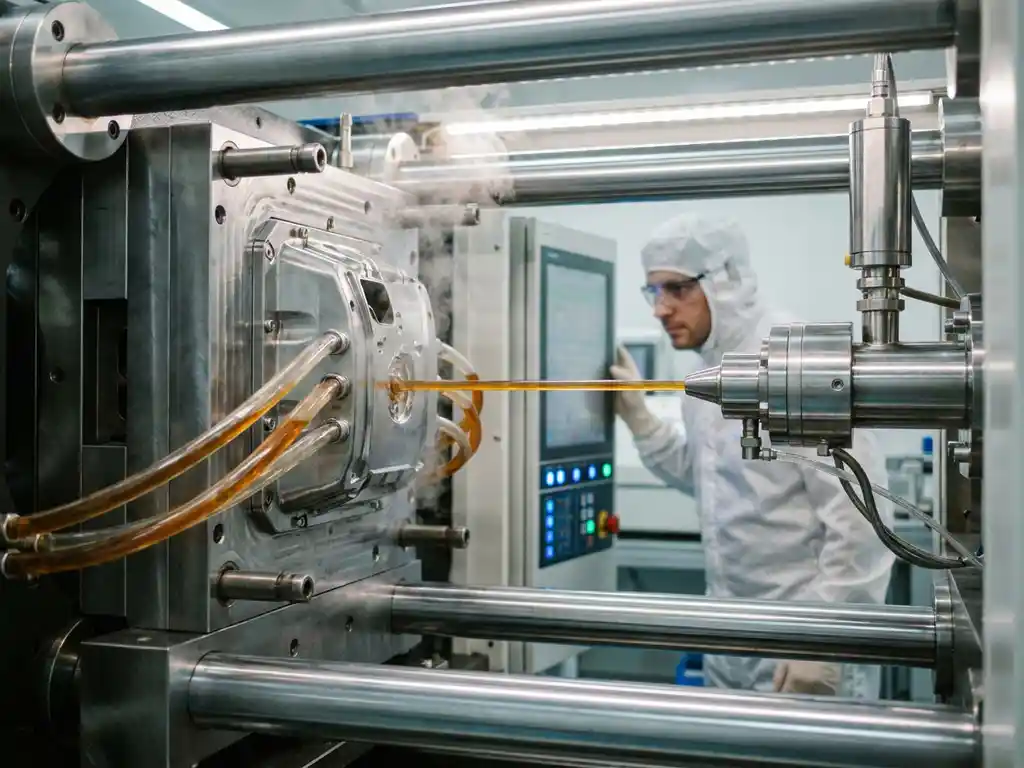
Injection molding optimization is evolving rapidly through smart manufacturing technologies, automated systems, and sustainable practices that reduce costs and improve efficiency. Modern optimization strategies focus on reducing setup times, enhancing process control, and integrating data-driven decision-making to meet growing demands for flexibility and environmental responsibility.
What is driving the current wave of injection molding optimization trends?
Market pressures from sustainability requirements, skilled labor shortages, and increased competition are pushing manufacturers to optimize injection molding processes more aggressively than ever before. Rising material costs and energy prices create additional urgency for efficiency improvements across production operations.
The manufacturing landscape has changed dramatically, with customers demanding shorter lead times and greater product customization. These requirements force injection molding facilities to become more agile while maintaining quality standards. Environmental regulations also mandate energy-efficient operations and waste reduction, making optimization both a competitive necessity and a regulatory requirement.
Labor market challenges compound these pressures, as experienced operators become harder to find and retain. This shortage drives investment in automated systems and intelligent process control that can maintain consistent production with less manual intervention. Manufacturers must balance these technological investments with immediate productivity gains to remain profitable.
How are smart manufacturing and industry 4.0 technologies transforming injection molding?
IoT sensors and predictive analytics are revolutionizing injection molding by providing real-time monitoring of temperature, pressure, and cycle times throughout production runs. This data enables operators to identify potential issues before they cause defects or equipment failures.
Connected manufacturing systems create comprehensive visibility into every aspect of the injection molding process. Temperature sensors monitor mold conditions continuously, while pressure sensors detect variations that could indicate wear or maintenance needs. This real-time monitoring allows for immediate adjustments that maintain optimal production parameters.
Predictive analytics use historical data patterns to forecast when equipment maintenance will be needed, reducing unplanned downtime. Machine learning algorithms can also identify optimal process parameters for different materials and part geometries, improving quality while reducing cycle times. These technologies transform injection molding from reactive troubleshooting to proactive process optimization.
What role do quick mold change systems play in modern injection molding optimization?
Quick mold change systems dramatically reduce setup times from hours to minutes, enabling manufacturers to run smaller batches economically while responding faster to market demands. These systems improve production flexibility and reduce the costs associated with lengthy changeover procedures.
Traditional mold changes require significant manual labor and extended downtime, making small production runs uneconomical. Advanced quick change solutions eliminate these barriers by standardizing connections and automating the changeover process. This capability allows manufacturers to pursue just-in-time production strategies without sacrificing efficiency.
The flexibility provided by quick mold change systems becomes particularly valuable when dealing with seasonal demand variations or custom product requirements. Manufacturers can switch between different molds rapidly, maintaining high equipment utilization rates across diverse production schedules. This operational flexibility translates directly into competitive advantages in responsive manufacturing environments.
Which automation technologies are having the biggest impact on injection molding efficiency?
Robotic material handling and automated part removal systems are delivering the most significant efficiency gains by eliminating manual intervention and reducing cycle times. Integrated process control systems also optimize parameters automatically based on real-time feedback from production monitoring.
Robotic systems handle material loading, part removal, and quality inspection tasks with consistent precision that exceeds manual operations. These systems work continuously without breaks, maintaining steady production rates while freeing skilled operators for higher-value activities. Advanced robots can also perform secondary operations like trimming or assembly during the injection cycle.
Intelligent process control represents another major automation advancement, automatically adjusting injection speed, pressure, and temperature based on material behavior and environmental conditions. These systems respond to variations faster than human operators while maintaining detailed records for quality traceability. The combination of robotic handling and intelligent control systems creates highly efficient, self-managing production cells.
How are sustainability concerns shaping injection molding optimization strategies?
Energy efficiency improvements and waste reduction techniques are becoming central to injection molding optimization as manufacturers face environmental regulations and rising energy costs. Recycled material integration and process optimization reduce both environmental impact and operating expenses.
Modern injection molding machines incorporate energy recovery systems that capture heat from cooling processes and hydraulic operations. Variable-speed drives adjust motor speeds to match actual demand rather than running at full capacity continuously. These technologies can reduce energy consumption significantly while maintaining production output levels.
Material waste reduction focuses on optimizing runner systems, improving first-pass quality rates, and integrating recycled content into production processes. Advanced process control minimizes scrap generation by maintaining consistent quality parameters. Closed-loop recycling systems allow manufacturers to reprocess waste materials directly, reducing both material costs and environmental impact while meeting sustainability goals.
How EAS Change Systems accelerates injection molding optimization
EAS Change Systems provides comprehensive solutions that enable manufacturers to achieve dramatic improvements in injection molding efficiency through rapid mold changeover technology. Our quick change systems deliver concrete benefits that address the core optimization challenges facing modern injection molding operations:
- Reduce mold changeover times from hours to minutes with automated quick-change systems
- Eliminate costly downtime while maintaining precision alignment and consistent quality
- Enable profitable small-batch production and just-in-time manufacturing strategies
- Standardize changeover procedures to reduce dependency on skilled labor
- Increase overall equipment effectiveness through improved flexibility and utilization
These optimization trends reflect the injection molding industry’s response to changing market demands and technological capabilities. Success requires balancing immediate efficiency gains with long-term strategic investments in automation and sustainability. Contact EAS Change Systems today to discover how our proven quick-change solutions can transform your injection molding optimization strategy and deliver measurable results for your manufacturing operations.