

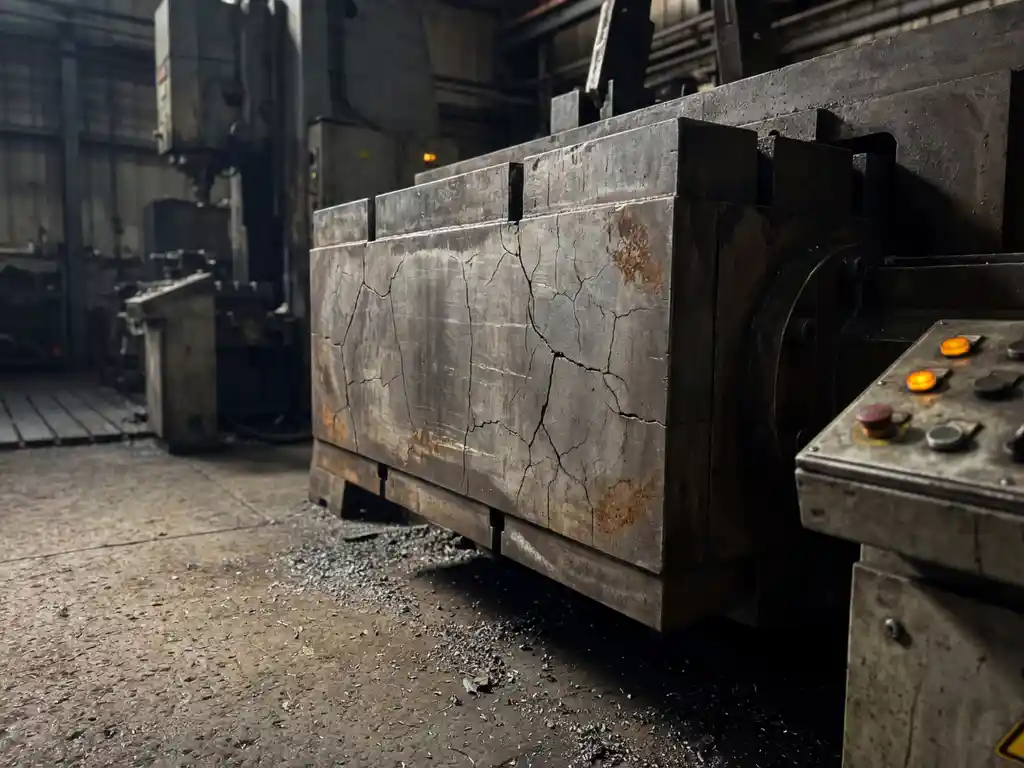
Magnetic clamping systems are the backbone of efficient stamping operations, but when they fail, the consequences extend far beyond a simple equipment malfunction. A catastrophic magnetic clamp failure can result in damaged dies worth hundreds of thousands of dollars, injured operators, and production shutdowns lasting days or weeks. Understanding the warning signs of impending failure allows production supervisors to take preventive action before minor issues escalate into costly disasters.
Recognizing these early indicators requires systematic monitoring and a keen understanding of how magnetic clamping systems behave under normal operating conditions. The following warning signs often appear weeks or even months before complete system failure, giving you valuable time to schedule maintenance and avoid unplanned downtime.
Why Magnetic Clamping System Failures Cost Millions
The financial impact of magnetic clamping system failures in stamping operations extends far beyond immediate repair costs. When a magnetic clamp fails during production, it can cause die damage exceeding $500,000, especially with complex progressive dies or high-precision tooling. The sudden loss of clamping force can allow dies to shift during operation, creating dimensional inconsistencies that render entire production runs unusable.
Beyond direct equipment damage, failed magnetic clamping systems trigger cascading operational costs. Production lines typically remain idle for 24 to 72 hours while replacement components are sourced and installed, resulting in missed delivery commitments and potential contract penalties. Safety incidents involving loose dies can lead to workers’ compensation claims, regulatory investigations, and mandatory safety audits that further extend downtime.
1: Inconsistent Clamping Force Measurements
Fluctuating clamping force readings are among the earliest and most reliable indicators of impending magnetic clamp failure. When electromagnetic coils begin to degrade, they produce inconsistent magnetic fields that result in variable holding power across the clamping surface. This inconsistency typically manifests as force measurements that vary by more than 5% from the established baseline during routine checks.
Production supervisors should establish daily force-measurement protocols using calibrated pull-test equipment. Consistent readings within 2–3% of the target specification indicate healthy system operation, while readings that swing between acceptable and borderline levels signal developing problems. Document these measurements in maintenance logs, as trend data often reveals gradual degradation patterns that precede sudden failures by several weeks.
2: Unusual Heating in Magnetic Components
Excessive heat generation in magnetic clamping components indicates internal electrical-resistance problems that compromise both performance and safety. Healthy electromagnetic coils operate at temperatures only slightly above ambient, typically remaining cool to the touch during normal operation. When coil windings begin to deteriorate or short circuits develop, electrical resistance increases dramatically, converting more energy into heat rather than magnetic force.
Monitor component temperatures using infrared thermometers during routine inspections, focusing particularly on coil housings and electrical connections. Temperature readings exceeding 20 degrees above normal operating levels warrant immediate investigation. Hot spots often develop around damaged wire insulation or corroded connections, creating fire hazards and accelerating the degradation of surrounding components.
3: Electrical Current Fluctuations and Spikes
Erratic electrical-current patterns provide clear evidence of deteriorating magnetic clamping system health. Normal operation requires a steady current draw within manufacturer specifications, typically maintaining consistent amperage throughout the clamping cycle. When internal components begin to fail, current consumption becomes unpredictable, often spiking during engagement or dropping unexpectedly during operation.
Install current-monitoring equipment on critical magnetic clamping circuits to track real-time electrical consumption. Current spikes exceeding 110% of normal operating levels indicate potential short circuits or ground faults within the system. Conversely, current drops below 90% of specification suggest coil degradation or connection problems that reduce magnetic field strength and compromise die holding power.
4: Physical Wear on Contact Surfaces
Visible wear patterns on magnetic clamping contact surfaces reveal mechanical stress that often precedes electrical failures. Properly functioning systems maintain smooth, even contact between magnetic faces and die surfaces, distributing clamping forces uniformly across the entire interface. When magnetic field strength becomes inconsistent, certain areas experience higher stress concentrations that accelerate wear and create uneven contact patterns.
Inspect clamping surfaces weekly for scoring, pitting, or uneven wear marks that indicate non-uniform force distribution. Pay particular attention to corners and edges, where stress concentrations typically develop first. Surface irregularities exceeding 0.002 inches can significantly reduce the effective clamping area and create stress risers that can develop into more serious structural problems over time.
5: Delayed Response Times During Operations
Sluggish engagement and release cycles signal declining magnetic system performance that often precedes complete failure. Healthy magnetic clamps achieve full holding force within milliseconds of activation and release immediately upon deactivation. When response times begin to extend beyond normal parameters, internal degradation is typically affecting the system’s ability to generate and dissipate magnetic fields efficiently.
Time the engagement and release cycles during routine maintenance procedures, establishing baseline measurements for comparison over time. Response delays exceeding 15% of normal operating speeds indicate developing problems that require investigation. Gradual increases in response time often correlate with coil degradation, while sudden changes may signal control-system failures or electrical-connection problems.
Prevent Failures With Proactive Maintenance
Implementing a comprehensive preventive maintenance program significantly reduces the risk of catastrophic magnetic clamping system failures. Establish weekly inspection schedules that include force measurements, temperature monitoring, and visual examinations of all system components. Create detailed maintenance logs that track performance trends over time, enabling early detection of gradual degradation patterns.
Schedule quarterly electrical testing to verify current consumption, insulation resistance, and ground-fault protection systems. Replace consumable components such as seals, gaskets, and electrical connections according to manufacturer recommendations rather than waiting for failure symptoms to appear. Maintain a spare-parts inventory for critical components to minimize downtime when replacement becomes necessary.
How EAS Change Systems Helps With Magnetic Clamping System Reliability
We provide comprehensive quick die change solutions that incorporate advanced magnetic clamping technology designed for maximum reliability and safety. Our QDC systems feature integrated monitoring capabilities that continuously track clamping force, temperature, and electrical parameters to provide early warning of potential failures. This proactive approach helps stamping operations avoid the costly consequences of unexpected system failures.
Our stamping applications include:
- Redundant safety systems that prevent die release during unexpected power loss
- Real-time monitoring displays that alert operators to performance variations
- Predictive maintenance protocols based on decades of stamping industry experience
- 24/7 technical support to address emerging issues before they impact production
Contact our technical team today to learn how our proven QDC systems can enhance the safety and reliability of your stamping operations while reducing unplanned downtime.