
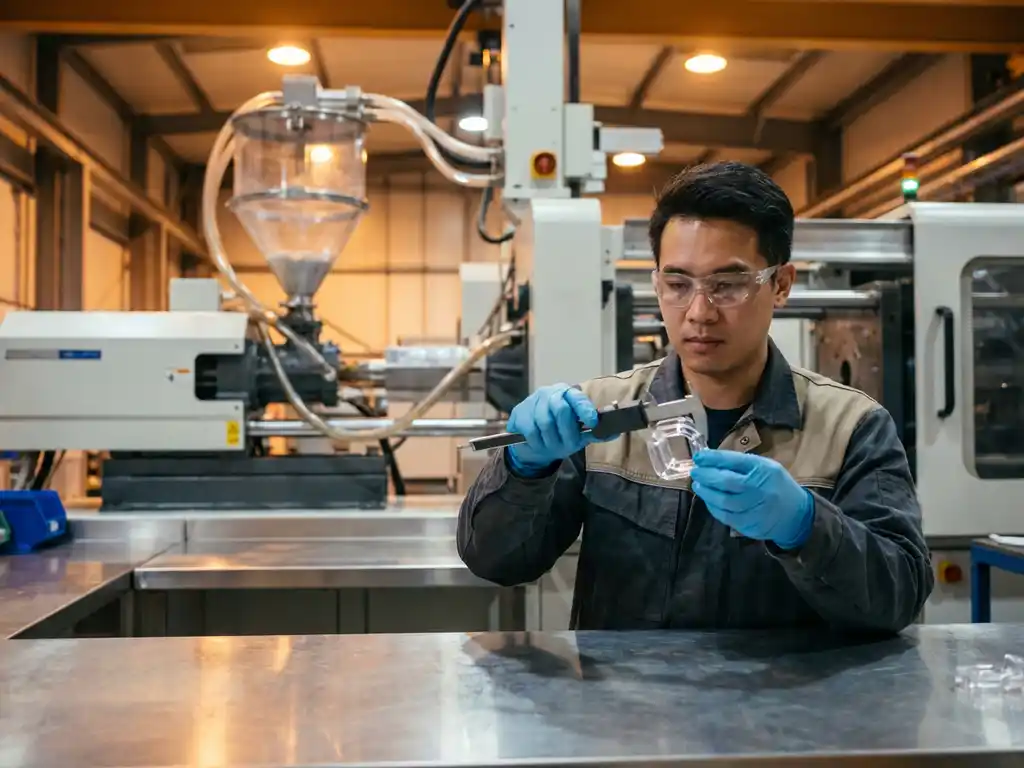
Injection molding risk management involves systematically identifying, assessing, and mitigating potential hazards throughout the manufacturing process. It protects equipment, ensures product quality, maintains worker safety, and prevents costly production disruptions. Effective risk management directly impacts operational efficiency, profitability, and regulatory compliance in injection molding operations.
What is injection molding risk management, and why is it critical for manufacturers?
Injection molding risk management is a systematic approach to identifying, evaluating, and controlling potential hazards that could disrupt production, compromise quality, or endanger personnel. It encompasses proactive strategies to prevent equipment failures, material defects, safety incidents, and operational inefficiencies.
This is critically important because injection molding is a complex process in which multiple variables must work in harmony. Temperature fluctuations, pressure variations, material inconsistencies, and equipment malfunctions can quickly cascade into significant problems. Without proper risk management, manufacturers face unexpected downtime, increased scrap rates, safety incidents, and substantial financial losses.
Modern injection molding operations rely heavily on precise timing and strict quality standards. A single equipment failure during peak production can result in missed delivery deadlines, customer dissatisfaction, and damaged business relationships. Risk management creates more predictable operations by addressing vulnerabilities before they become costly problems.
What are the most common risks in injection molding operations?
Equipment failures represent the most frequent operational risk, including mold damage, heating element malfunctions, hydraulic system failures, and injection unit problems. These mechanical issues often occur without warning and can halt production for hours or days.
Material-related risks include contamination, moisture absorption, incorrect temperatures, and inconsistent material properties. Poor material handling can lead to defective parts, increased cycle times, and equipment damage. Quality issues such as dimensional variations, surface defects, flash, short shots, and warping can lead to customer complaints and increased manufacturing costs.
Safety hazards pose significant risks to personnel and operations. Hot surfaces, moving machinery, hydraulic pressure, chemical exposure from additives or cleaning agents, and ergonomic injuries from repetitive tasks require constant attention. Production delays caused by injection molding optimization challenges, changeover inefficiencies, and scheduling conflicts directly impact profitability and customer satisfaction.
How do you identify and assess risks in injection molding processes?
Risk identification begins with comprehensive process mapping that documents every step from material preparation through finished-product packaging. This systematic approach reveals potential failure points, dependencies, and vulnerabilities throughout the manufacturing workflow.
Assessment techniques include failure mode analysis, in which teams examine each process component to determine how it might fail and what the consequences would be. Historical data analysis reveals patterns in equipment failures, quality issues, and safety incidents. Regular equipment inspections identify wear patterns, performance degradation, and maintenance needs before critical failures occur.
Documentation processes capture risk assessments in standardized formats that enable consistent evaluation and comparison. Risk matrices help prioritize threats based on probability and potential impact. Regular reviews ensure risk assessments remain current as processes, equipment, and materials change over time.
What are the best practices for mitigating injection molding risks?
Preventive maintenance programs form the foundation of effective risk mitigation by addressing equipment issues before they cause failures. Scheduled inspections, component replacements, and performance monitoring prevent unexpected breakdowns and extend equipment life.
Quality control systems, including statistical process control, regular testing, and inspection protocols, catch defects early and identify process variations. Comprehensive training programs ensure operators understand proper procedures, safety requirements, and emergency responses. Well-trained personnel recognize early warning signs and respond appropriately to prevent incidents.
Equipment upgrades and process improvements significantly reduce risk exposure. Modern systems with advanced monitoring capabilities provide early warning of potential problems. Quick changeover systems minimize setup-related risks while improving operational efficiency. Safety protocols, including lockout procedures, personal protective equipment requirements, and emergency response plans, protect personnel and facilities.
How do you implement an effective risk management system for injection molding?
System development starts with establishing clear policies and procedures that define risk management responsibilities, processes, and standards. Cross-functional teams, including production, quality, maintenance, and safety personnel, ensure comprehensive coverage of all operational aspects.
Implementation requires structured monitoring procedures that track key performance indicators, equipment conditions, and process parameters. Regular audits verify that risk management practices are followed consistently and effectively. Continuous improvement processes use incident data, near-miss reports, and performance metrics to refine risk management strategies.
Integration with existing manufacturing operations and quality management systems ensures risk management becomes part of daily operations rather than an additional burden. This approach creates sustainable practices that improve over time while maintaining a focus on injection molding excellence and operational reliability.
How EAS Change Systems helps with injection molding risk management
EAS Change Systems provides comprehensive solutions that significantly reduce injection molding risks through advanced changeover technology and process optimization. Our systems address critical risk factors by:
- Minimizing changeover time and complexity, reducing operator error and setup-related defects
- Standardizing changeover procedures to ensure consistent, repeatable processes
- Eliminating manual handling risks through automated positioning and clamping systems
- Reducing equipment wear and potential damage during mold changes
- Providing comprehensive training and documentation to support safe operations
Our proven quick-change systems have helped manufacturers reduce changeover-related risks by up to 80% while improving overall operational efficiency. Contact EAS Change Systems today to learn how our solutions can strengthen your injection molding risk management strategy and protect your operations from costly disruptions.