

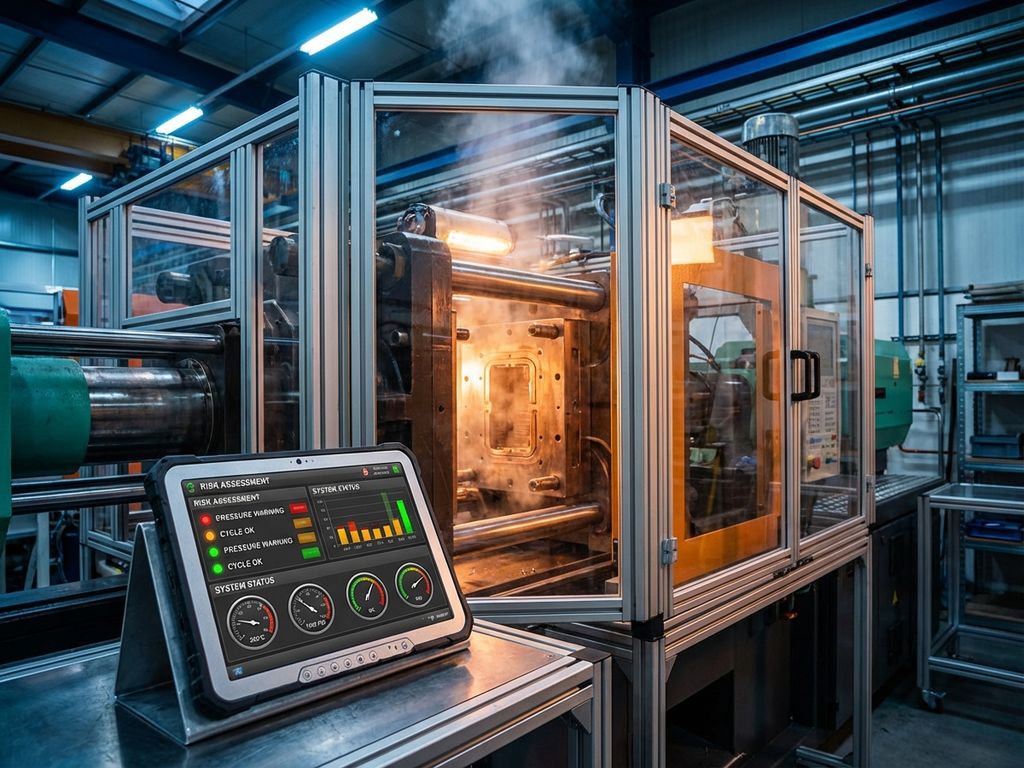
Injection molding risk assessment is a systematic evaluation of potential hazards and safety risks present in plastic injection molding operations. This process identifies dangerous situations, evaluates their likelihood and severity, and establishes control measures to protect workers and equipment. Effective risk assessment prevents accidents, ensures regulatory compliance, and maintains productive operations while addressing key safety concerns throughout the manufacturing process.
What is injection molding risk assessment and why is it essential?
Injection molding risk assessment is a comprehensive safety evaluation that examines all potential hazards in plastic manufacturing operations. It systematically identifies risks from machinery, materials, processes, and environmental factors to create safer working conditions.
This assessment is essential because injection molding involves high-pressure machinery, molten plastics reaching temperatures over 300°C, and complex automated systems. Without proper risk evaluation, workers face serious injuries from burns, crushing, toxic exposure, and equipment malfunctions.
Regular risk assessments help manufacturers comply with occupational safety regulations while reducing insurance costs and production downtime. They create documented safety procedures that protect both experienced operators and new employees. The assessment also identifies equipment maintenance needs before failures occur, preventing costly breakdowns and potential accidents.
Manufacturing facilities that conduct thorough risk assessments typically experience fewer workplace incidents, improved employee confidence, and smoother regulatory inspections. The process establishes a foundation for continuous safety improvement and demonstrates commitment to worker welfare.
What are the main safety hazards in injection molding operations?
The primary safety hazards in injection molding include thermal burns from hot surfaces and molten plastic, mechanical injuries from moving machinery parts, chemical exposure from plastic resins and additives, and crushing hazards from mold clamping systems.
Thermal hazards present the most common risks, with heated barrels, nozzles, and molds reaching extreme temperatures. Workers can suffer severe burns from accidental contact or plastic spillage during material changes and maintenance procedures.
Mechanical hazards arise from rotating screws, moving platens, ejector systems, and robotic equipment. Crushing injuries occur when operators access machinery during operation or when safety systems fail. Pinch points around moving components pose constant risks during normal operations.
Chemical exposure risks include respiratory problems from plastic fumes, skin irritation from additives, and long-term health effects from certain polymer materials. Poor ventilation compounds these hazards, particularly when processing materials containing volatile compounds.
Electrical hazards from high-voltage heating systems and control panels can cause electrocution or fires. Noise exposure from machinery operation may lead to hearing damage without proper protection. Ergonomic risks from repetitive motions and heavy lifting contribute to musculoskeletal injuries over time.
How do you conduct an effective injection molding risk assessment?
An effective injection molding risk assessment follows a structured approach: identify hazards, evaluate risks, implement controls, document findings, and establish regular review procedures. This systematic method ensures comprehensive coverage of all potential safety issues.
Begin by assembling a team including safety professionals, experienced operators, maintenance technicians, and supervisors. Walk through the entire facility, examining each machine, process step, and work area. Document every potential hazard regardless of perceived severity.
Evaluate each identified risk by considering probability and potential severity. Use a risk matrix to prioritize hazards requiring immediate attention versus those needing long-term solutions. Consider normal operations, maintenance activities, material changes, and emergency situations.
The assessment process includes:
- Reviewing accident records and near-miss reports
- Examining equipment manuals and safety data sheets
- Interviewing operators about daily challenges and concerns
- Testing existing safety systems and emergency procedures
- Measuring environmental factors like noise, temperature, and air quality
Document all findings with specific locations, responsible parties, and target completion dates. Create action plans with realistic timelines and assigned responsibilities for implementing improvements.
What safety measures reduce injection molding risks most effectively?
The most effective safety measures combine engineering controls, administrative procedures, and personal protective equipment. Machine guarding, safety interlocks, proper training, and emergency procedures create multiple layers of protection against identified hazards.
Engineering controls provide the most reliable protection by eliminating or reducing hazards at their source. Install comprehensive machine guarding around moving parts, implement safety light curtains and pressure-sensitive mats, and ensure proper ventilation systems remove harmful fumes.
Safety interlocks prevent machine operation when guards are open or safety devices are bypassed. Emergency stop systems must be easily accessible and regularly tested. Automatic shut-off systems should activate when abnormal conditions occur.
Administrative controls establish safe work procedures and ensure proper training. Lockout/tagout procedures protect workers during maintenance. Regular safety meetings keep hazard awareness high among all personnel.
Essential safety measures include:
- Temperature monitoring and warning systems for hot surfaces
- Proper material handling equipment to prevent lifting injuries
- Adequate lighting and clear walkways to prevent slips and falls
- Regular equipment maintenance to prevent unexpected failures
- Personal protective equipment including heat-resistant gloves and safety glasses
Regular safety audits and incident investigations help identify areas where existing measures need improvement or additional controls are necessary.
How do EAS change systems help with injection molding risk assessment?
EAS change systems significantly enhance injection molding safety by reducing manual handling risks and operator exposure to hazardous conditions during mold changes. Our quick mold change solutions eliminate many traditional safety concerns while improving operational efficiency.
Our systems address key risk factors identified in injection molding assessments:
- Reduce manual lifting and positioning of heavy molds, preventing musculoskeletal injuries
- Minimize operator exposure to hot surfaces during mold changes
- Eliminate risks from manual coupling and uncoupling of utilities
- Provide controlled, predictable mold handling procedures
- Include integrated safety features and emergency stops
- Reduce setup time, limiting worker exposure to hazardous areas
We provide comprehensive risk assessment support including system design consultation, safety feature integration, and operator training programs. Our solutions meet international safety standards and help facilities achieve better compliance outcomes across various manufacturing applications.
Contact us today to discuss how our quick mold change systems can improve safety outcomes in your injection molding operations while reducing setup times and operational costs.