

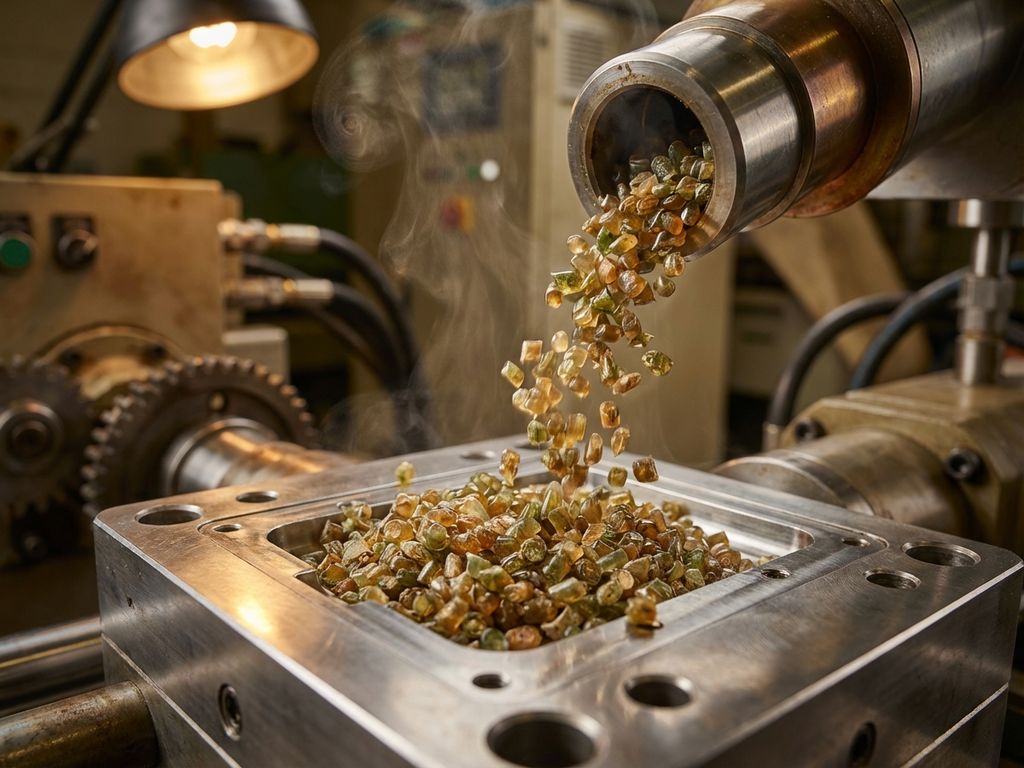
Biodegradable injection molding materials are eco-friendly polymers that naturally decompose through biological processes, offering sustainable alternatives to traditional plastics. These materials include PLA, PHA, starch-based compounds, and cellulose-based polymers that break down safely in composting environments. They address growing environmental concerns while maintaining functionality in injection molding applications.
What are biodegradable injection molding materials and why do they matter?
Biodegradable injection molding materials are polymers designed to decompose naturally through microbial action when exposed to appropriate environmental conditions. Unlike conventional plastics that persist for centuries, these materials break down into harmless byproducts like water, carbon dioxide, and biomass within months to years.
These materials matter because they address the mounting plastic waste crisis while maintaining manufacturing efficiency. Traditional injection molding produces durable products that accumulate in landfills and oceans. Biodegradable alternatives offer the same processing advantages but eliminate long-term environmental impact.
The significance extends beyond environmental benefits. Regulatory pressures, consumer preferences, and corporate sustainability goals drive demand for biodegradable options. Companies adopting these materials position themselves advantageously in markets increasingly focused on environmental responsibility.
What types of biodegradable materials can be used in injection molding?
Several biodegradable materials work effectively in injection molding processes. Polylactic acid (PLA) leads the market due to its excellent processability and mechanical properties. It flows well through injection molding equipment and produces high-quality finished parts.
Polyhydroxyalkanoates (PHA) offer superior biodegradation rates and marine biodegradability. These materials decompose in various environments, including soil, compost, and seawater. Starch-based polymers provide cost-effective solutions for applications requiring rapid biodegradation.
Other viable options include:
- Polybutylene succinate (PBS) for flexible applications
- Polycaprolactone (PCL) for controlled degradation rates
- Cellulose-based compounds for enhanced strength
- Protein-based polymers for specialized applications
Each material offers distinct properties suited to specific applications and degradation requirements.
How do biodegradable materials perform compared to traditional plastics in injection molding?
Biodegradable materials generally require modified processing parameters compared to traditional plastics. They typically process at lower temperatures, reducing energy consumption but requiring careful temperature control to prevent degradation during molding.
Flow characteristics differ significantly. Most biodegradable polymers exhibit lower melt flow rates, which can affect the filling of complex geometries. However, they often demonstrate excellent surface finish and dimensional stability once proper parameters are established.
Mechanical properties vary by material type. PLA approaches the strength of conventional plastics for many applications. PHA offers flexibility similar to polyethylene. Starch-based materials provide adequate strength for disposable applications while offering rapid biodegradation.
Processing speeds may be slower initially as operators optimize parameters. Once established, cycle times often match those of traditional materials, maintaining production efficiency while delivering environmental benefits.
What are the main challenges when injection molding with biodegradable materials?
Temperature sensitivity presents the primary challenge in biodegradable injection molding. These materials degrade at elevated temperatures, requiring precise thermal management throughout the process. Overheating destroys molecular structure, compromising part quality and material properties.
Moisture sensitivity complicates material handling. Most biodegradable polymers absorb moisture readily, causing processing defects such as bubbling, poor surface finish, and reduced mechanical properties. Thorough drying becomes essential before processing.
Material costs typically exceed those of traditional plastics, affecting project economics. Limited supplier networks and smaller production volumes contribute to higher prices. However, costs continue to decrease as market adoption grows.
Additional challenges include:
- Shorter shelf life requiring careful inventory management
- Limited color options compared to conventional plastics
- Potential equipment contamination from material residues
- Need for specialized storage conditions
Which industries benefit most from biodegradable injection molding materials?
The packaging industry leads the adoption of biodegradable injection molding materials. Food containers, bottle caps, and disposable cutlery represent major applications where biodegradability provides clear environmental advantages without compromising functionality.
Medical and pharmaceutical industries use these materials for single-use devices, drug delivery systems, and surgical implants. Biodegradability eliminates disposal concerns while providing the necessary performance characteristics.
Consumer electronics benefit from biodegradable housings and components, particularly for products with short lifecycles. Mobile phone cases, computer accessories, and small appliances increasingly incorporate these materials.
Other key industries include:
- Automotive, for interior components and temporary fixtures
- Agriculture, for plant pots, mulch films, and growing containers
- Textiles, for buttons, fasteners, and temporary supports
- Toys and recreational products, for children’s items
How EAS change systems support biodegradable material processing
EAS change systems enhance biodegradable material processing through rapid mold changeover capabilities that minimize material waste and contamination risks. Our quick mold change solutions reduce setup times from hours to minutes, preventing material degradation during extended changeovers.
Our systems support biodegradable injection molding through:
- Temperature-controlled mold handling to prevent thermal damage to materials
- Quick coupling systems for efficient purging between different biodegradable materials
- Precise positioning systems ensuring consistent processing parameters
- Automated changeover that reduces operator exposure to sensitive materials
- Integrated cleaning systems that maintain mold cleanliness for optimal part quality
The efficiency gains from our quick change systems make biodegradable material processing more economically viable by reducing waste, improving quality consistency, and enabling flexible production scheduling. Contact our application engineers to discuss how our solutions can optimize your biodegradable injection molding operations.